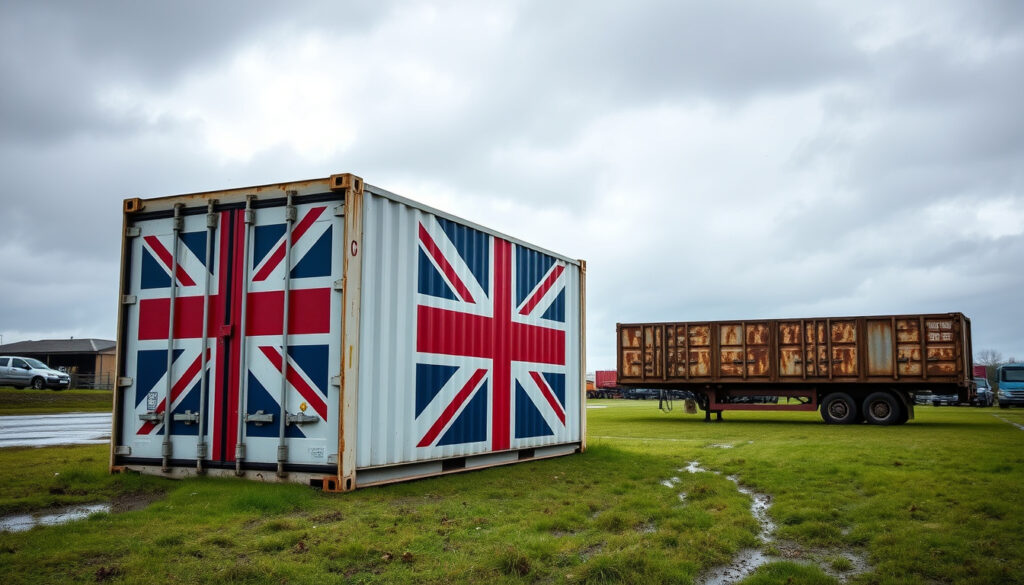
Shipping Container – Complete UK Buying Guide 2025
Buying a shipping container in the UK in 2025 comes down to size, condition, and location. Prices now range from under £900 for a used 20ft unit to well over £6,000 for a new 40ft one, with delivery and regional access adding significant costs.
The market has broadly stabilised after the sharp price rises seen during the post-pandemic supply chain disruption. Supply shortages between 2020 and 2021 saw costs spike dramatically. Those levels have since receded, though prices vary considerably depending on whether you buy used, one-trip, or new.
For buyers in Scotland and Northern Ireland, transport and ferry logistics mean that a simple yard price may not reflect the final delivered cost. This guide breaks down the key factors to consider in 2025, from pricing and sizes to rental options and delivery.
How Much Does a Shipping Container Cost in the UK in 2025?
Pricing for shipping containers in the UK depends on size, condition, and whether you are buying or renting. The cheapest mainstream option is a used 20ft container, while a one-trip or new unit commands a noticeable premium.
Here are the key insights for UK buyers in 2025:
- Used 20ft containers offer the best value-to-space ratio for most UK buyers
- Delivery costs can add £250 to £700 depending on location and access
- Renting is becoming more popular for short-term projects lasting 6 to 12 months
- Scotland and Northern Ireland typically have higher delivery premiums due to distance and ferry logistics
- Container prices have stabilised in 2025 after post-pandemic volatility
| Type | Typical Price Range |
|---|---|
| Used 10ft | £800 – £1,700 |
| New 10ft / One-Trip | £1,400 – £4,000 |
| Used 20ft | £875 – £2,500 |
| New 20ft / One-Trip | £1,850 – £3,800 |
| Used 40ft | £1,300 – £4,000 |
| New 40ft / One-Trip | £2,950 – £6,500+ |
| Refrigerated / Reefer | £4,500 – £18,995+ |
Ranges in the table vary because some suppliers quote ex-VAT, some include delivery, and others reflect broader market ranges rather than floor prices. It is always worth asking whether a price includes VAT and delivery before comparing quotes.
Where Can I Buy a Shipping Container in the UK?
Multiple UK suppliers sell shipping containers directly to buyers, many with nationwide delivery networks. The market is dominated by commercial sellers such as Universal Containers, Budget Shipping Containers, Portable Space, and Cabin Depot, each offering different grades and stock levels.
Do Suppliers Cover Scotland and Northern Ireland?
The provided results do not give separate, authoritative Scotland-only or Northern Ireland-only price tables. What they do show is that UK delivery pricing varies by location and access. Both regions may sit above mainland English “easy access” benchmark pricing when transport distance or ferry logistics are involved.
Boxit serves the UK and Ireland market together, suggesting that some sellers treat Northern Ireland and Ireland as part of a wider logistics network. If you are based in Scotland or Northern Ireland, asking for a delivered quote rather than a yard price is essential, because transport can materially change the total.
Confirm the size you need (8ft, 10ft, 20ft, 40ft, or high cube). Check the condition: used, refurbished, or one-trip/new. Ask whether the quote is ex-VAT or inc. VAT, and whether delivery is included. Verify access at your site — width, turning room, ground firmness, and whether you need a crane or HIAB offload. If buying used, confirm it is wind and watertight and inspect the floor, doors, seals, and for any corrosion.
What Does “Wind and Watertight” Mean?
Used containers are often sold as wind and watertight rather than pristine. This means they are structurally sound enough to keep the contents dry in normal weather conditions. Grade A containers are guaranteed to meet this standard. Lower grades may have visible dents or surface rust but still provide reliable storage.
What Are the Standard Shipping Container Sizes and Grades?
Common container sizes in the UK include 8ft, 10ft, 20ft, 30ft, 40ft, and 45ft units. The 20ft and 40ft are by far the most common standard sizes for storage and conversions.
Size Guide: Which One Do You Need?
- 8ft: used for compact storage and tight-access sites; some are cut-down versions of larger containers.
- 10ft: useful for small storage spaces and domestic sites. Boxit notes a typical 10ft unit measures about 10ft long, 8ft wide, and 8.6ft high.
- 20ft: the most common all-round size for storage, exports, and conversions. Internal dimensions: 5.9m x 2.35m x 2.39m.
- 40ft: used for larger storage needs and container homes. Internal dimensions: 12.03m x 2.35m x 2.39m.
- High cube: taller than standard containers; prices are usually a bit higher than standard-height equivalents.
Grades of Shipping Containers
Container condition is usually categorised into grades. Grade A containers are in good cosmetic and structural condition, often described as wind and watertight. Grade B containers may show more wear but remain functional.
The standard 20ft container has a maximum gross weight of 30,480 kg. Used containers typically last 10 to 15 years with proper maintenance. One-trip containers are nearly new — they have only been used for a single international shipment — and command a premium over standard used units but are cheaper than brand new.
Refurbished or near-new units sit between used and new in both price and condition. If you want cleaner condition and longer service life, a one-trip 20ft is the usual mid-market choice.
Should I Buy or Rent a Shipping Container?
The decision to buy or rent depends largely on how long you need the container. Buying is generally more cost-effective for long-term or permanent storage, while renting avoids the upfront purchase cost and the hassle of reselling when you no longer need it.
Rental Pricing
Hire is often attractive for temporary needs. One UK supplier lists standard container hire from about £9.31 per week, £12.04 per week, £13.16 per week, and up to £32.76 per week depending on the container type. Boxit also advertises small containers from £7.81 per week, with 8ft units from £8.75 per week and 10ft units from £12.07 per week.
Because hire pricing depends heavily on size, duration, and delivery area, the weekly headline rate is only part of the total cost. Rental availability and terms vary significantly by supplier, so it pays to compare multiple quotes.
Delivery can materially change the final price. One UK pricing guide says delivery for a 40ft container can add around £250 to £700, depending on location and access. For remote or constrained sites, narrow roads, limited turning space, soft ground, or the need for specialist offload equipment can increase the charge. Always confirm delivery costs before committing.
Shipping Container Market Timeline: Key Trends 2020-2025
The container market has undergone significant shifts in recent years. Understanding that history helps frame current pricing.
- 2020-2021: Supply chain disruption caused container shortages and price spikes of up to 300%.
- 2022: Prices began normalising as supply chains recovered and container availability improved.
- 2023-2024: Market stabilisation with increased availability of used containers.
- 2025: Current market conditions show stable prices, good availability, and growing rental demand.
- 2025+: The market is expected to remain broadly stable, though regional variations may persist.
What You Need to Know: Certainty vs. Uncertainty in the Container Market
| Established Information | Information That Remains Unclear |
|---|---|
| Standard container dimensions are internationally standardised (ISO) | Exact pricing varies by location, supplier, and current stock levels |
| Used containers are available from multiple UK suppliers | Container longevity depends on maintenance, location, and usage |
| Delivery costs are location-dependent and vary by supplier | Future pricing trends are subject to global supply chain conditions |
| Grade A containers are guaranteed wind and watertight | Rental availability and terms vary significantly by supplier |
Market Analysis: Buying vs. Renting in the UK Container Market
Current market conditions in 2025 are characterised by stable supply and moderate demand. For buyers, the key decision points are duration of use, budget, and location. For short-term storage of less than 12 months, renting is often cheaper when delivery and resale risk are factored in. For long-term or permanent storage, buying a used container typically works out better.
Regional factors matter significantly. Scotland and Northern Ireland have higher delivery premiums. Buyers in remote areas should request quotes from multiple suppliers and check whether the provider has experience delivering to your specific location.
If you need maximum space, a used 40ft often gives the best cost-per-square-foot of storage. If you want the lowest purchase price, look at a used 20ft container.
Authoritative Sources and Expert Insights
The information in this guide draws from multiple sources that cover different angles of the UK container market. Wikipedia provides the authoritative baseline on container standards and history. Commercial suppliers such as Budget Shipping Containers, Portable Space, and Universal Containers offer current UK pricing and inventory data. Cabin Depot provides specifications for modified containers and lead time warnings.
“Used 20ft containers are usually the cheapest mainstream buy, 40ft units cost more, and ‘one-trip’ new containers command a premium.”
Market pricing pattern from multiple UK suppliers, 2025
Next Steps: Your Container Buying Process
Once you have decided whether to buy or rent, follow these steps to secure the right container at the right price. Start by determining your required size — 20ft is the standard recommendation for most storage needs. Then choose between buying and renting based on how long you need it. Compare condition grades before you commit to a specific unit.
Get quotes from at least three to five UK suppliers and make sure each quote specifies whether VAT and delivery are included. Verify delivery access to your property and arrange a suitable foundation if needed. If possible, inspect the container before it is delivered. If you are looking for a similar format of product research, you might find the Loft Bed – The Complete UK Guide for Adults 2025 or the Stools Bar – The Ultimate Buying Guide for UK Homes helpful reference points.
Can I convert a shipping container into a home?
Yes, but it requires planning permission, insulation, electrical work, and structural modifications. Costs vary significantly depending on the scope of the conversion.
How do I secure a shipping container?
Use high-quality padlocks, lock boxes, and consider ground anchoring. Security alarms are also recommended for valuable contents.
Can I paint or modify a shipping container?
Yes, but use appropriate marine-grade paint and ensure modifications do not compromise the structural integrity of the container.
What is a one-trip container?
A container that has only been used for one international shipment, making it nearly new in condition at a lower price than a brand-new unit.
Do I need planning permission for a shipping container?
Usually not for temporary storage, but check local regulations. Permanent structures or conversions typically require planning permission.
How long does a shipping container last?
Used containers typically last 10 to 15 years with proper maintenance. One-trip and new containers can last longer if well cared for.
What is the cheapest shipping container for sale?
A used 8ft or 10ft container is typically the cheapest option, with prices starting around £800. For a standard size, a used 20ft container offers the lowest entry price.
What are the different grades of used shipping containers?
Grade A containers are wind and watertight with only minor cosmetic wear. Grade B may have more dents or surface rust but remain structurally sound. One-trip and new units are in the best condition.
Can I rent a shipping container monthly?
Yes, most UK suppliers offer monthly rental terms. Weekly rates start from around £7.81 for small containers and increase depending on size and duration.
More related posts
 Fay Ripley – Cold Feet Star, Cookbook Author and Podcaster
 Generation Millennials – Birth Years, Traits, and Comparisons
 Car Rental Near Me – Locations, Deals and Requirements
 Jordan Belfort – Biography, Crimes, and Where He Is Now
 Pandora Charms – Official UK Guide to Sales and Disney Charms
 Matthew Goode – Biography, Movies, Wife, Age, Height & Facts
 Gaz Beadle – Biography, Relationships, and New Child in 2026
 Emi Martinez – Age Height Club and World Cup Facts 2026
