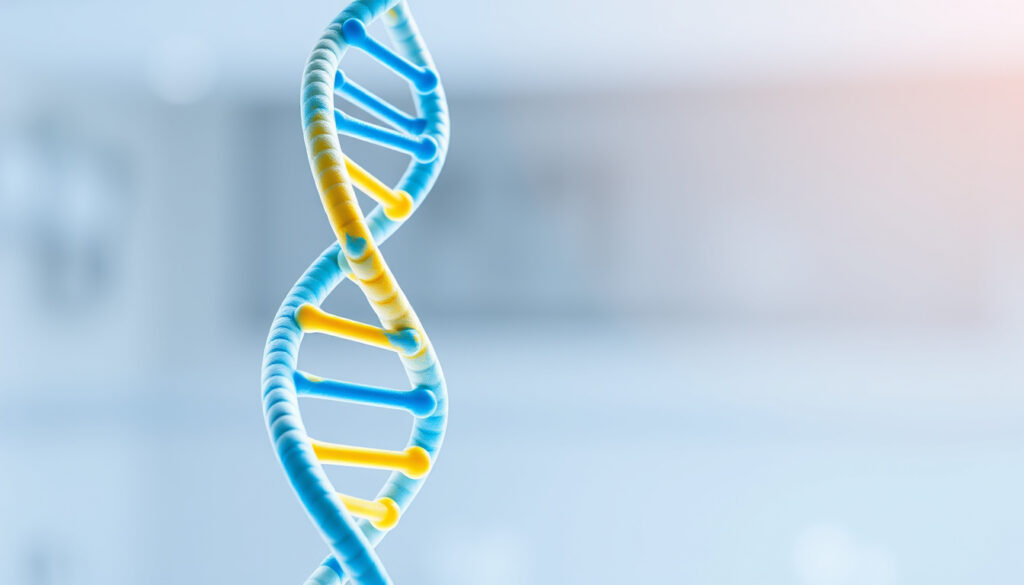
Down’s Syndrome – Causes, Symptoms, Life Expectancy and More
Down’s syndrome: causes, symptoms and outlook
Down’s syndrome, also called trisomy 21, is a genetic condition caused by an extra copy of chromosome 21 in all or some cells. The NHS describes it as a condition a person is born with, usually occurring by chance because of a change in the sperm or egg before birth. It affects how the brain and body develop and is associated with a particular set of physical characteristics, some degree of learning disability, and a higher risk of certain medical conditions.
Around 95 per cent of cases happen randomly during cell division, when an error called nondisjunction leaves a sperm or egg with an extra copy of chromosome 21. The condition is not caused by anything a parent did before or during pregnancy. Down’s syndrome occurs in roughly 1 in 700 live births worldwide.
What is Down’s syndrome?
The genetic basis of Down’s syndrome is clear: most people with the condition have three copies of chromosome 21 instead of the usual two, which is why the medical term trisomy 21 is used. UK Government guidance notes that Down’s syndrome is associated with intellectual disability, characteristic physical features, and a higher risk of medical conditions such as congenital heart defects.
The extra chromosome usually appears because of nondisjunction, an error in cell division that occurs at random. Cleveland Clinic states that around 95 per cent of cases are due to this process, which is why the condition is not considered to be directly inherited in most cases. As the Merck Manual explains, the presentation varies widely from person to person.
| Condition | Down syndrome (trisomy 21) |
|---|---|
| Cause | Extra copy of chromosome 21 |
| Affected chromosome | 21 |
| UK spelling | Down’s syndrome |
- Down’s syndrome is a genetic condition, not a disease or an illness.
- The extra copy of chromosome 21 affects physical and cognitive development, but the range of abilities varies widely.
- Congenital heart defects affect roughly 50–65 per cent of babies born with Down’s syndrome.
- Person-first language, such as “a person with Down’s syndrome”, is preferred in many communities.
Signs and symptoms
Signs and symptoms can be grouped into physical characteristics, developmental differences, and prenatal findings. Because no two people with Down’s syndrome are alike, the picture is never identical.
Babies born with Down’s syndrome often have low muscle tone, which can affect feeding and early development. Some babies also have congenital anomalies that require medical attention soon after birth. During pregnancy, Down’s syndrome is not diagnosed by symptoms alone. In the UK, the first-trimester combined test uses maternal age, a blood test, and an ultrasound scan to estimate the chance of trisomy 21, as the NHS explains. Genomics Education notes that screening can be followed by diagnostic testing if needed.
If screening suggests a higher chance of trisomy 21, options include non-invasive prenatal testing (NIPT), amniocentesis, or chorionic villus sampling for confirmation.
Screening versus diagnostic testing
Prenatal screening estimates the chance that a baby has Down’s syndrome; it does not provide a diagnosis. Diagnostic tests such as amniocentesis and chorionic villus sampling can confirm the condition but carry a small risk of miscarriage.
How has life expectancy improved?
Survival has improved dramatically over recent decades. Research published in the European Journal of Public Health has documented the improvement in survival, with the average now reaching the sixties or beyond. Coordinated care is important for children with Down syndrome and congenital heart disease, and teams typically include cardiology, developmental services, speech and language support, and family support, according to the American Heart Association.
What role do heart defects play?
Congenital heart defects affect roughly 50–65 per cent of babies born with Down syndrome and are a major factor influencing health and survival. The CDC advises that early cardiac evaluation is important because some heart defects can be present at birth and may need treatment soon after birth.
Heart health matters
Because congenital heart defects affect a significant proportion of babies with Down’s syndrome, early cardiac evaluation is a standard part of care.
Is it Down syndrome or Down’s syndrome?
Both forms are correct, and they refer to the same condition. Down syndrome is the standard spelling in much of the international medical literature, while Down’s syndrome is the preferred form in the UK and is used by the NHS and government sources.
The name honours John Langdon Down, the physician who first described the condition in 1866. Trisomy 21 is the genetic term, referring directly to the extra copy of chromosome 21.
Wider discussions about disability language also come into play. Many communities prefer person-first phrasing such as “a person with Down’s syndrome”, while others use identity-first language. The World Health Organization uses the spelling Down syndrome in its fact sheets.
Language guidance
Down’s syndrome and Down syndrome are both accepted in English. In UK health publications, Down’s syndrome is the usual form, and person-first phrasing such as “a person with Down’s syndrome” is widely preferred and considered respectful.
Cats and Down’s syndrome
The idea that cats can have Down’s syndrome is a recurring internet myth, but it is not supported by clinical or veterinary sources. Down’s syndrome is a human chromosomal condition caused by an extra copy of chromosome 21, and the condition as medically defined is not diagnosed in cats, according to the CDC.
Cats can display features that resemble the human condition, including unusual facial proportions, balance difficulties, or developmental differences. These signs usually have other medical explanations, and a veterinarian is best placed to assess them.
Reputable medical and public-health sources consistently describe Down’s syndrome as a genetic condition in humans, with no scientific basis for a cat-related cause.
How has understanding of Down’s syndrome changed over time?
Advances in prenatal screening have changed how Down’s syndrome is identified and discussed. Screening is now offered routinely in many health systems, which means families receive information earlier in pregnancy.
Medical conditions are also experienced and discussed through public life. One example is Fetty Wap – Biography, Eye Condition, and Prison Sentence, which traces how a musician’s eye condition and personal circumstances have been covered in the media.
- 1866 – John Langdon Down gives the first clinical description of the condition, later renamed Down syndrome.
- 1959 – Jérôme Lejeune identifies the extra copy of chromosome 21, establishing the genetic cause.
Survival gains are documented in medical literature such as the NCBI Bookshelf.
What do official health sources say?
“Down’s syndrome is when you’re born with an extra chromosome. You usually get an extra chromosome by chance, because of a change in the sperm or egg before you…”
NHS
“Down syndrome is a genetic condition where a person is born with an extra chromosome. This can affect how their brain and body develop.”
CDC
“Down syndrome occurs when an individual has a full or partial extra copy of chromosome 21. This additional genetic material alters the course of development.”
Frequently asked questions
Which chromosome is affected in Down’s syndrome?
Down’s syndrome affects chromosome 21. Most people with the condition have three copies of this chromosome in their cells instead of the usual two, which is why it is also known as trisomy 21.
Is Down’s syndrome inherited?
In most cases, no. Down’s syndrome is not caused by anything either parent did before or during pregnancy.
Does maternal age affect the chance of Down’s syndrome?
Yes. Prenatal screening takes maternal age into account when estimating the chance of trisomy 21.
What health conditions are more common in Down’s syndrome?
Congenital heart defects affect about 50–65 per cent of babies with Down’s syndrome.
Is there a cure for Down’s syndrome?
No. Down’s syndrome is a genetic condition, not an illness, so it cannot be cured.
In the UK, the Down’s Syndrome Association offers information and community support. Medical care usually involves a multidisciplinary team covering cardiology, developmental services, speech and language therapy, and family support.
For a broader look at how medical conditions and scientific achievement are explored in biography, see Stephen Hawking – His Life, Theories and Key Books.
More related posts
 Lorraine Ashbourne – Biography, Career, and Family Life
 Ken Bruce – Age, Wife, Net Worth, Health and Radio Schedule 2025
 Pandora Rings – Complete UK Buying Guide 2025
 Paul O’Grady – Cause of Death, Husband, and Life Story
 Patrice Evra – Career, Net Worth, Wife and Full Biography
 Patricia Routledge – Beloved Hyacinth Bucket Dies at 96
 Steve Rosenberg – Biography of the BBC Russia Editor
 Adam Ants – Biography, Age, Net Worth and Family in 2025
