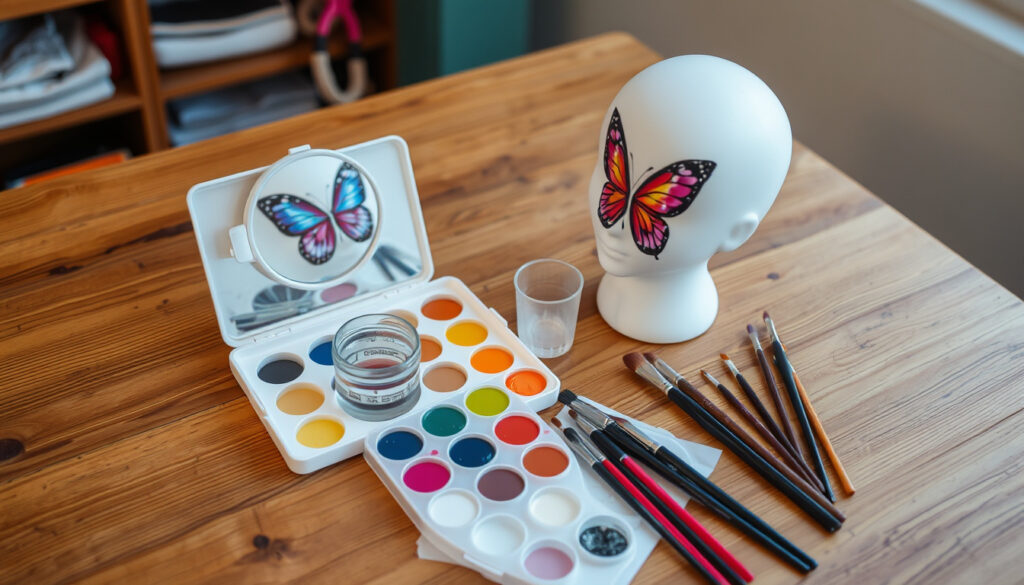
Face Painting – Step-by-Step Guide for Beginners
Face painting turns ordinary events into memorable experiences. Whether preparing for a birthday party, a school fair, or a community festival, knowing the right techniques and choosing quality supplies makes the difference between a design that delights and one that disappoints. This guide covers everything from beginner steps to hiring professionals and starting your own business.
The craft relies on a few foundational skills: damp sponges for base colour, properly loaded brushes for clean lines, and simple shapes that build into recognisable designs. According to facepaintingschool.com, the strongest beginner guidance across multiple sources emphasises starting with thin-to-thick strokes and mastering easy patterns before attempting full-face artwork.
Water-based face paints remain the safest and most practical choice for children’s events. They wash off easily and cause fewer skin reactions than acrylic or oil-based alternatives. The market offers kits for every budget, with starter sets priced around £20 to £50.
Face Painting for Beginners: Step-by-Step Guide & Techniques
Beginner basics in 2–3 hours
From £20–£50 for a basic kit
Easy for adults, supervision for kids
High for events and parties
Several key insights emerge from professional training resources and experienced painters. The most important lessons help beginners avoid common frustrations and speed up the learning curve.
- Start Simple with Sponges – Beginners should focus on sponge-based techniques before moving to fine brushes for intricate linework. Dabbing with a slightly damp sponge gives smooth coverage without streaks.
- Safety First: Use Water-Based Paints – Reputable brands such as Snazaroo and TAG reduce the risk of skin irritation and wash off easily with soap and water.
- Practice Makes 6-Figure Business – Successful face painters often master five or six core designs first. Speed and consistency come from repetition, not from owning many colours.
- Time Management – A quality design on a child typically takes five to ten minutes. Managing this pace is crucial for profitability at events.
- Brush Loading Matters – Wet the brush, activate the paint, and remove excess water so the brush holds colour without dripping. This one step prevents most smudging.
- Teardrop Strokes Build Everything – Press down with a round brush and lift slowly to create a thick-to-thin point. This stroke forms petals, whiskers, wings, and decorative accents.
- Paper Practice First – Rehearsing strokes on practice sheets before painting on skin improves confidence and precision.
| Fact | Details |
|---|---|
| Ideal Age Range | 3–10 years |
| Design Duration | 5–10 minutes per face |
| Safety Check | Patch test required for sensitive skin |
| Market Rate (UK) | £5–£15 per face |
| Standard Lifespan | 4–6 hours on skin |
| Core Brush Sizes | #1 and #3 round brushes, plus flat brush |
| Sponge Type | Slightly damp, dabbed not dragged |
| Paint Base | Water-based or glycerin-based |
| Beginner Kit Cost | £20–£50 |
| Common First Design | Butterfly or simple flower |
Face Painting Near Me: How to Hire a Professional Face Painter
Finding a reliable face painter in your area requires more than a quick online search. The quality of the artist, their hygiene practices, and the products they use all affect the experience for children and parents alike.
What to look for when searching
Platforms such as poptop.uk.com list vetted suppliers with reviews and portfolios. When evaluating a candidate, check whether they use professional cosmetic-grade paints, ask about their experience with children’s events, and confirm they carry insurance and business registration. Pricing and travel fees vary by region, so requesting a detailed quote before booking is sensible.
Questions to ask before booking
A professional face painter should be able to describe their hygiene routine clearly. Ask how they sanitise brushes between clients, whether they use fresh sponges for each child, and what type of paint they apply. Reputable artists typically offer a portfolio showing recent work and may provide references from past events.
Look for clear photos of finished designs on children of different ages. A strong portfolio shows variety in colours, themes, and complexity. If the artist only displays stock images or generic designs, consider it a warning sign.
Face Painting Ideas & Inspiration: Simple Designs for All Occasions
The best face painting designs for beginners share one characteristic: they rely on a small set of repetitive strokes. Mastering teardrops, dots, and curved lines unlocks dozens of popular patterns.
Quick cheek art
Stars, flowers, spider webs, and hearts are among the fastest designs to complete. They require only a round brush and two or three colours. These small accents work well for younger children who may not sit still for a full-face design.
Butterflies and animals
A butterfly design starts with a centred focal shape, then mirrored wings built from teardrop strokes. Cats and tigers use whiskers, nose accents, and eye outlines. According to cuddlecolor.net, these designs rank among the most requested at parties and festivals.
Princess crowns and gems
Dots, arches, and teardrops combine into crowns and jewel shapes. This theme appeals to children who want something elegant without needing elaborate brushwork. A base colour, a few highlights, and white dots for sparkle complete the look.
Masks and muzzles
Full-face masks use a base colour plus an outline and highlights. Animal muzzles and ears – for cats, bunnies, and foxes – follow the same logic: a coloured nose area, whiskers, and ear shapes on the forehead. These designs cover more surface area but remain achievable for beginners.
Face Painting Online: Courses and Resources to Build Your Skills
Learning face painting online has become a practical route for many aspiring artists. Video tutorials, structured courses, and downloadable practice sheets replace the need for in-person workshops.
What online courses offer
The Face Painting School provides a curriculum that starts with sponge work and progresses to advanced brush techniques. Professional instructors break down each design into repeatable steps. The Lets Paint Face Painting YouTube channel offers free tutorials that demonstrate real-time application and common corrections.
Effectiveness of online learning
According to the research sources, online courses improve speed and technique when combined with regular practice on paper. The key limitation is the lack of live feedback. However, many platforms now include community groups where students share work and receive critiques from experienced painters.
Look for courses that cover brush loading, pressure control, sponge application, and layering. The best ones provide practice templates, supply lists, and time estimates for each design. A course without these elements may leave beginners guessing.
Video tutorials require a stable connection to follow along without buffering. If you intend to learn on a mobile device, check that the course platform supports offline downloads or offers written summaries as backup.
How to Start a Face Painting Business: Kit, Supplies & Pro Tips
Turning face painting into a paying business requires more than artistic ability. It demands reliable equipment, efficient workflows, and a clear understanding of pricing and marketing.
Essential kit components
A professional kit goes beyond the beginner set. It includes professional-grade face paints with strong pigmentation, multiple brush sizes for detail and filling, sponges in different shapes for cheeks and full-face bases, and skin-safe glitter for finishing details. Snazaroo and TAG are widely recommended brands. Hygiene materials such as brush cleaner, sanitizer, and disposable sponges are standard business necessities.
Building a signature style
Experienced painters recommend mastering five or six designs that can be completed in five minutes or less. Butterflies, tigers, flowers, and cheek art form a reliable repertoire. Practising the same designs until they become automatic allows an artist to work confidently under event pressure.
Pricing your services
While the research does not provide fixed pricing formulas, industry practice ties rates to setup time, skill level, materials, and travel distance. In the UK, per-face prices typically range from £5 to £15. Event packages, such as two-hour blocks for parties, offer better value for clients and steadier income for artists.
Marketing locally
Birthday parties, school fairs, festivals, and community events are the primary channels for new face painting businesses. Creating a printed portfolio with clear photos of finished work helps secure bookings. Social media pages dedicated to your designs also attract local families searching for entertainment options.
Typical Face Painting Timeline: From Setup to Cleanup
- Preparing the Workspace (30 minutes) – Setting up the station, sanitising brushes, laying out sponges, and organising paints. A well-prepared station reduces wait times and keeps the artist organised during busy periods.
- Design Execution (5–10 minutes) – The actual process of applying paint to one child. Speed improves with practice, but quality should never be sacrificed for speed.
- Cleanup and Maintenance (15 minutes) – Washing brushes, disposing of used sponges, resetting the paint palette, and cleaning the work surface. This step happens between every few clients or immediately after the event ends.
- Progression Path (Months) – Moving from simple butterflies and flowers to complex superhero masks, 3D effects, and detailed character designs. Each stage builds on the stroke skills learned earlier.
What Is Certain and What Remains Unclear About Face Painting
| Established Information | Information That Remains Unclear |
|---|---|
| Water-based face paints are the standard for safety and removal. | Cost of professional face painters varies significantly by region in the UK. |
| Professional training (online or in-person) significantly improves speed and technique. | Specific product durability depends on weather conditions and individual skin type. |
| Sponge painting is faster and easier than brush painting for beginners. | Long-term skin sensitivity to specific pigments is not always documented by manufacturers. |
| Dabbing with a damp sponge avoids streaks. | Exact pricing for event packages is rarely published and often negotiated case by case. |
The Business and Educational Value of Face Painting
Face painting occupies a unique space between creative hobby and service industry. The low startup cost – a basic kit can be assembled for £20 to £50 – makes it accessible to almost anyone. Professional courses and online resources have lowered the barrier further, allowing motivated learners to develop marketable skills in weeks rather than months.
The educational approach favoured by experienced instructors prioritises stenciling and sponge work before brush techniques. This sequence produces faster results for beginners and builds confidence early. The Face Painting School curriculum, for example, introduces full-face designs only after students demonstrate control over basic strokes and colour layering.
From a business perspective, face painting offers high event-based return on investment. A single artist at a weekend festival can serve dozens of children, generating revenue that far exceeds the cost of materials. The challenge lies not in the artistry but in the logistics: managing queues, handling nervous children, and maintaining hygiene across a long day of work.
Sources and Expert Voices on Face Painting
“Start with a few good brushes, a sponge, and 3 colours. You don’t need a massive kit to get started.”
— Maria Mitchell, Lets Paint Face Painting
“Kits include a spray bottle, which is essential for keeping sponges damp and blending colours smoothly.”
— Face Paint UK Product Information
“Holding the brush perpendicular to the skin gives you sharper lines and better control.”
— Face Painting School Beginner Guide
Summary: What You Need to Know About Face Painting
Face painting is a skill that rewards patience and deliberate practice. Beginners should invest in a modest kit of water-based paints, a few round brushes, and a set of sponges. Mastery comes from repeating a handful of core designs until they become second nature. Whether you plan to paint at home for fun, hire a professional for your next event, or build a business around the craft, the principles remain the same: start simple, prioritise safety, and practise on paper before skin. For a deeper look at the tools of the trade, see our Guide: Best Face Painting Supplies for Beginners.
Frequently Asked Questions About Face Painting
What is the difference between face painting and body painting?
Face painting is limited to the face and neck area and typically uses water-based paints designed for sensitive facial skin. Body painting covers larger areas of the body and may use different formulations, including alcohol-activated paints that last longer but require special removers.
How do I prevent face paint from cracking?
Cracking usually happens when paint is applied too thickly or allowed to dry without a smooth base. Use thin layers, let each layer dry before adding the next, and avoid excessive movement of facial muscles while the paint sets.
Can you use regular acrylic paint on the face?
No. Acrylic paint is not formulated for skin contact. It can cause irritation, allergic reactions, and may be difficult to remove safely. Always use water-based or glycerin-based face paints that are labelled as non-toxic and suitable for cosmetic use.
Which brush is best for face painting?
Round brushes in sizes #1 and #3 are the most versatile for detail work and outlines. A flat brush helps with broader strokes and filling larger areas. Beginners should start with these three brushes before adding specialty shapes.
What are the best face painting stencils for beginners?
Stencils with simple geometric shapes, stars, hearts, and basic animals work well for beginners. They help maintain symmetry and speed up application. Reusable plastic stencils are easier to clean than paper ones and last longer.
How long does face paint last on skin?
Water-based face paints typically last four to six hours under normal conditions. Sweat, humidity, and touching the face can reduce wear time. Setting with a light dusting of translucent powder may extend the lifespan slightly.
Is face painting safe for toddlers under three?
Many professionals recommend waiting until age three, as younger children have more sensitive skin and may not tolerate paint application. Always perform a patch test on a small area of skin before applying any product to a toddler’s face.
What should I do if a child has a reaction to face paint?
Remove the paint immediately with mild soap and water. Apply a cool compress if the skin appears red or irritated. If symptoms persist, consult a pharmacist or medical professional. Note the product used and avoid it in future sessions.
More related posts
 Nigeria National Football Team Standings – Latest WCQ Group C Update
 Jacqueline Fernandez – Age, Movies, Net Worth and Facts in 2025
 Leah Williamson – Injury Return, Arsenal Legacy, Captain
 How to Inject Mounjaro – Step-by-Step Guide and Tips
 Judith Chalmers – Cause of Death, Career and Family Legacy
 Supermarket REIT Share Price – Dividend Yield and 2025 Outlook
 Dexter Sol Ansell – Age, Parents, and Egg Targaryen Role
 Lauren Laverne – Smouldering Myeloma Diagnosis and Career
