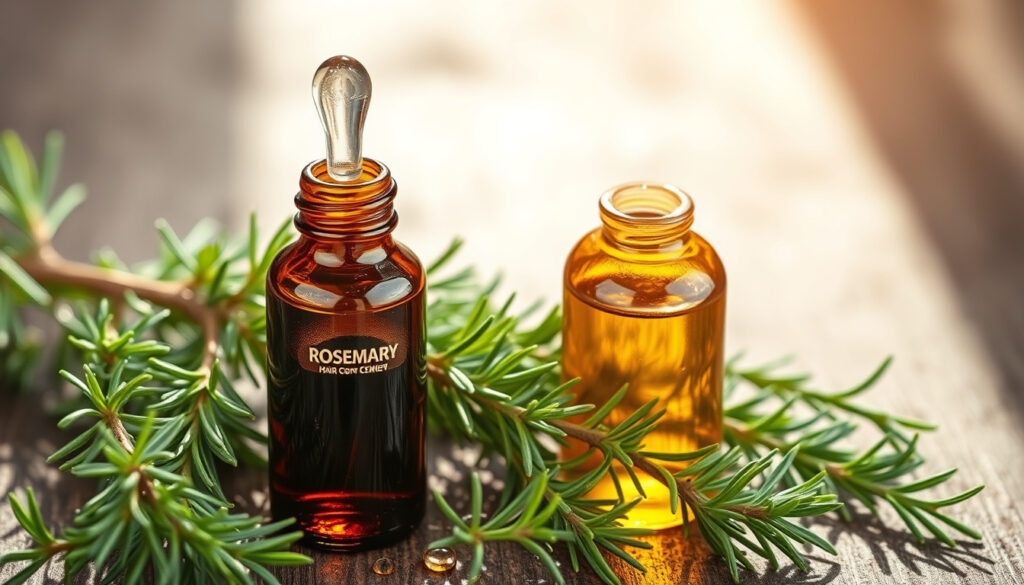
Rosemary Oil for Hair Growth – UK Guide to Usage and Evidence
Rosemary oil has become a popular topic in UK beauty circles, with many searching for natural alternatives to address hair thinning and growth concerns. From Boots shelves to Holland & Barrett displays, products claiming to boost hair growth using rosemary extracts have proliferated across high street retailers. But what does the evidence actually say, and how should consumers approach these products?
The herb Rosmarinus officinalis has been used in traditional medicine for centuries, with proponents claiming it can stimulate follicles, improve scalp circulation, and reduce hair loss. Limited clinical studies, primarily from small-scale trials, have shown some promising results comparable to over-the-counter treatments after months of consistent use. However, researchers caution that the evidence remains preliminary and large-scale human trials specific to UK populations have not been conducted.
Understanding how to properly apply rosemary oil, which products are reliably available, and who should exercise caution forms the basis of this guide. Whether discovered through social media recommendations or noticed on pharmacy shelves, consumers deserve clear information about what these products can and cannot do.
How to Use Rosemary Oil for Hair Growth
The method of application significantly affects both safety and potential effectiveness. Most dermatologists and product manufacturers recommend using pre-diluted formulations rather than pure essential oil to reduce the risk of scalp irritation. The concentration matters considerably when considering that undiluted rosemary oil can cause redness, burning, and sensitivity reactions on sensitive skin.
For best results, apply 2-3 drops of pre-diluted rosemary oil to a dry or damp scalp. Massage gently using fingertips in circular motions for 2-3 minutes to encourage circulation. Leave for 30 minutes to 4 hours before washing with a gentle shampoo.
Step-by-Step Application Guide
Begin with clean, towel-dried hair if applying after washing, or dry hair for a standalone treatment. Part the hair to expose the scalp in the area of concern. Dispense 2-3 drops of product onto the fingertips or directly onto the scalp. Using a silicone scalp massager can help distribute the oil evenly while providing gentle stimulation to the follicles.
Work the oil into the scalp with your fingertips, concentrating on areas where thinning is most noticeable. Once the scalp is treated, any remaining oil can be smoothed through the lengths and ends of the hair. Allow the product to remain on the scalp for at least 30 minutes, though some users leave it overnight for maximum absorption before shampooing.
Frequency and Duration
Most product instructions and expert recommendations suggest using rosemary oil treatments 1-2 times per week as a pre-wash conditioning step. Consistency appears more important than frequency, with the 2015 clinical study measuring results after six months of daily application. Users should not expect immediate results; the natural hair growth cycle requires time to respond to any topical treatment.
- Apply 1-2 times weekly as a pre-wash treatment
- Massage into scalp for 2-3 minutes minimum
- Leave on for 30 minutes to 4 hours before shampooing
- Use consistently for at least 3-6 months before assessing results
- Dilute pure essential oil with carrier oils at 2-3% ratio if not using pre-diluted products
Dilution Requirements for Pure Essential Oil
Those purchasing 100% rosemary essential oil must dilute it before scalp application. Carrier oils such as castor, sweet almond, sunflower, or jojoba provide suitable bases. A general guide suggests adding no more than 2-3 drops of rosemary essential oil per tablespoon of carrier oil. Applying undiluted essential oil directly to the scalp risks irritation, allergic reactions, and potential damage to already sensitive hair follicles.
Pre-diluted products eliminate the guesswork involved in mixing your own solutions. Brands like Nature Spell formulate their oils with almond and sunflower oils already blended, making them ready for direct application without further preparation.
| Application Factor | Recommendation |
|---|---|
| Drop count per application | 2-3 drops for short hair, 4-5 for longer hair |
| Contact time before washing | 30 minutes minimum, up to 4 hours |
| Treatment frequency | 1-2 times weekly |
| Essential oil dilution ratio | 2-3% (approximately 2-3 drops per tablespoon carrier oil) |
| Minimum trial period | 3-6 months consistent use |
| Suitable scalp condition | Clean, dry or damp; avoid broken or irritated skin |
Rosemary Oil for Hair Growth: Before and After Results
Documented results from clinical settings provide the most reliable evidence of what rosemary oil users might expect. The 2015 study published in skin research literature examined men with androgenetic alopecia, commonly known as pattern baldness, over a six-month period. Participants applying rosemary oil twice daily showed increases in hair count comparable to those using 2% minoxidil, the over-the-counter treatment found in products like Regaine.
The improvements documented included enhanced scalp circulation and increased cellular turnover in the treated areas. Researchers attributed these effects to compounds within rosemary oil that may stimulate nerve tissue and improve blood flow to the hair follicles. The study noted that both the rosemary oil group and the minoxidil group experienced similar counts of new hair growth, though the mechanisms appeared different.
Documented Benefits in Studies
The documented improvements from controlled studies include visible regrowth after six months of consistent application, with users reporting healthier, thicker hair strands alongside reduced hair loss. The same study showed that rosemary oil users experienced fewer side effects compared to those using minoxidil, which commonly causes scalp dryness or initial shedding in some users.
Additional research from 2013 on mice demonstrated that rosemary leaf extract promoted regrowth in hormone-related hair loss scenarios. While mouse studies do not directly translate to human results, they provide biological plausibility for the observed effects. A 2010 study identified carnosic acid as a compound that may stimulate nerve tissue, potentially benefiting the scalp environment where follicles reside.
The 2017 research highlighted specific compounds—α-pinene, 1,8-cineole, camphor, and borneol—that contribute anti-inflammatory, antifungal, antibacterial, and antioxidant properties. These properties may create a healthier scalp environment supportive of hair growth, though individual results depend on the underlying cause of hair loss.
Anecdotal and User-Reported Outcomes
Beyond clinical studies, user testimonials and social media reports provide additional perspective on what people experience. Reported outcomes include fuller-looking hair lengths, reduced daily shedding, less visible dandruff, and in some cases, delayed greying. One study combining rosemary with black seed oil reported reductions in hair fallout up to 76%, though this combined formulation makes isolating the rosemary effect difficult.
Anecdotal evidence from platforms like TikTok shows widespread personal experimentation, with users documenting their journeys over weeks and months. However, results vary considerably between individuals, and no universal timeline exists for when visible changes might appear. The consensus among both researchers and experienced users emphasises patience and consistent application over several months.
- Visible regrowth typically requires 6 months of consistent use
- Users report thicker, healthier-looking hair strands
- Reduced daily shedding documented in some studies
- Results vary significantly between individuals
- No guaranteed outcomes or overnight effects
- Best results seen in pattern baldness rather than other hair loss types
Best Rosemary Oil for Hair Growth in the UK
High street retailers have responded to growing interest with expanded product ranges. Boots and Holland & Barrett now stock multiple rosemary oil formulations, from pure essential oils to pre-diluted blends specifically marketed for hair care. Understanding which products best match individual needs requires examining the available options and their specific formulations.
Nature Spell Rosemary Oil for Hair & Skin
This pre-diluted formulation has become one of the most widely available options across UK retailers. Sold in 150ml bottles, it combines rosemary oil with almond and sunflower oils, making it immediately suitable for scalp application without additional preparation. Both Holland & Barrett and Boots stock this product, which carries vegan and natural certifications.
Product descriptions highlight multiple benefits including growth stimulation, strength improvement, enhanced shine, and anti-greying properties. The formulation is marketed as suitable for all hair types, though manufacturers specify it is for external use only and should be kept away from the eyes. This accessibility and regulatory compliance has made it a popular entry point for those new to rosemary oil hair treatments.
| Retailer | Product | Key Features | Size |
|---|---|---|---|
| Holland & Barrett | Nature Spell Rosemary Oil | Pre-diluted, growth and shine, vegan | 150ml |
| Boots | Nature Spell Rosemary Oil | Scalp-focused, UK-made formula | 150ml |
| Awake Organics | Rosemary + Black Seed Oil | 100% natural, antioxidant-rich, silicone-free | Varies |
| Hair Syrup | GrowsMary Rosemary Hair Oil | Pre-wash treatment, added thyme, 2023 award winner | Varies |
| Nature Spell Direct | Rosemary Oil | Hydrating, soothes dandruff, pre-diluted | 150ml |
Alternative UK Options
Awake Organics offers a Rosemary + Black Seed combination product that some users prefer for its additional ingredients. Black seed oil carries its own reputation for anti-inflammatory properties, potentially complementing rosemary’s effects. This 100% natural formulation avoids silicones, appealing to consumers seeking more minimal ingredient lists.
Hair Syrup’s GrowsMary Rosemary Hair Oil represents another option, combining rosemary with thyme in a pre-wash treatment format. This product received recognition as best overall in 2023 hair care awards, distinguishing it from more basic formulations. The inclusion of thyme, another herb with reported benefits for scalp health, differentiates it from single-ingredient alternatives.
Choosing the Right Product
Selecting between available options depends on several factors. Those preferring convenience and immediate usability should consider pre-diluted formulations from Nature Spell or similar brands. Users wanting to customise concentration or combine with other carrier oils may prefer purchasing pure rosemary essential oil separately. Budget considerations also apply, as pre-diluted products typically last longer per application than pure essential oil requiring home dilution.
All products specify external use only, with most recommending avoidance of contact with eyes. Patch testing remains advisable before full application, particularly for those with sensitive skin or known allergies. The NHS recommends consulting a dermatologist for significant hair loss concerns before relying on topical treatments alone, a point reinforced by several health sources examining these products.
While products are readily available on high streets and online, no specific safety data exists for children. Those considering rosemary oil treatments should factor in who will be using the product, as formulations and usage guidelines assume adult application unless specifically stated otherwise.
Is Rosemary Oil for Hair Growth Safe for Kids?
The question of safety for children deserves careful attention, particularly given the popularity of these products among adults who might consider applying them to younger family members. Current research provides limited guidance on this specific demographic, requiring parents to exercise significant caution before use on children’s scalps.
No specific safety data was identified in available clinical literature regarding rosemary oil application to children’s hair or scalps. The studies discussed earlier involved adult participants, primarily men, and no research specifically examined pediatric use or effects on children’s developing hair follicles and skin. This absence of evidence does not confirm safety, but rather highlights a gap requiring professional guidance.
Recommendations for Families
Healthcare professionals consistently recommend consulting a pediatrician or dermatologist before applying any essential oil-based product to children’s scalps. Children’s skin tends to be more sensitive than adult skin, and the concentrated nature of even pre-diluted products may cause unexpected reactions. The scalp’s thinner skin in childhood also potentially allows greater absorption of compounds that adults would not absorb as readily.
For families interested in supporting children’s hair health, non-essential oil approaches may present lower risk profiles. Ensuring adequate nutrition, addressing underlying health conditions, and using gentle child-appropriate hair care products represent more established approaches. The Benefits of Vitamin D connection to hair health illustrates how overall health contributes to hair condition, sometimes reducing the need for topical interventions.
General Safety Precautions for Adults
For adult users, several precautions improve safety outcomes. Patch testing on a small skin area before full scalp application helps identify potential allergic reactions. Avoid applying products to broken, irritated, or inflamed skin, as this increases absorption and reaction risk. Keep all products away from the eyes, as irritation from scalp drainage while sleeping can cause significant discomfort.
Discontinue use immediately if redness, burning, itching, or swelling occurs. These symptoms indicate either irritation or allergic response requiring removal of the product and potentially medical attention. Never ingest rosemary oil or any essential oil, as internal use of these concentrated substances can cause serious health effects. External application to intact, healthy skin remains the only recommended use method.
- Always use pre-diluted products or proper carrier oil dilution
- Patch test before full application
- Avoid eyes, broken skin, and internal use
- Discontinue if redness or irritation develops
- Consult healthcare professionals for severe hair loss
- Keep away from children unless specifically advised by a doctor
Research Timeline: Understanding the Evidence Base
The scientific investigation of rosemary oil for hair growth has developed gradually over recent decades. Understanding when key studies occurred helps contextualise the current evidence level and what questions remain unanswered.
- 2010 — Research identified carnosic acid in rosemary as potentially stimulating nerve tissue, providing biological mechanism for observed effects on scalp health.
- 2013 — Mouse studies demonstrated rosemary leaf extract promoted regrowth in hormone-related hair loss models, establishing animal evidence for the concept.
- 2015 — Landmark human study on men with androgenetic alopecia showed rosemary oil effectiveness comparable to 2% minoxidil after six months of use.
- 2017 — Analysis of active compounds (α-pinene, 1,8-cineole, camphor, borneol) documented anti-inflammatory, antifungal, antibacterial, and antioxidant properties.
- 2023 — Award recognition for products like GrowsMary indicated commercial maturation and consumer interest in the UK market.
- 2025 — Major UK health publications continued covering rosemary oil trends, reflecting sustained consumer interest and demand for evidence-based information.
The progression from animal studies to human trials represents a typical research pathway, though the field remains at an early stage. Large-scale, long-term human trials have not yet been conducted, leaving questions about optimal dosing, long-term safety, and effects across different population groups. Researchers have called for more comprehensive studies to establish the true extent of rosemary oil’s benefits and limitations.
What the Evidence Shows and What Remains Uncertain
Clear communication about what we know and what we do not know serves consumers better than either unfounded enthusiasm or dismissive scepticism. The evidence for rosemary oil falls into both categories, and understanding the distinction helps in making informed decisions.
The most robust evidence exists for rosemary oil’s effects on pattern baldness in adult men, where studies show comparable results to 2% minoxidil after six months. Less evidence supports effects for other types of hair loss or for use by women, children, or those with conditions other than androgenetic alopecia.
| What We Know | What Remains Uncertain |
|---|---|
| Rosemary oil may improve scalp circulation | Long-term effects beyond 6 months unstudied |
| Small studies show comparable results to 2% minoxidil | Effects on women’s hair loss specifically |
| Anti-inflammatory properties documented in compounds | Safe use protocols for children |
| Pre-diluted products widely available in UK | Optimal concentration for different hair types |
| Fewer side effects than minoxidil reported | Interaction with other hair treatments |
| Consistent application over months required | Effects on non-genetic hair loss types |
The absence of large-scale clinical trials means we cannot yet definitively state how effective rosemary oil truly is compared to established treatments. The existing studies, while promising, involved relatively small participant groups and specific demographic conditions. Researchers emphasise that severe hair loss warrants professional medical evaluation rather than self-treatment with natural products.
Questions also remain about how rosemary oil might interact with other hair care products or treatments. Those using multiple topical products, undergoing other medical treatments, or experiencing hair loss alongside other conditions should discuss rosemary oil use with healthcare providers to avoid potential complications or reduced effectiveness of other treatments.
The Science Behind Rosemary Oil and Hair Follicles
Understanding why rosemary oil might affect hair growth requires examining the biological mechanisms involved. Hair follicles are complex structures requiring adequate blood supply, appropriate hormonal environment, and protection from inflammation and oxidative stress to function optimally.
Rosemary oil contains multiple active compounds that may address these requirements. The anti-inflammatory properties documented in research may help reduce follicle inflammation that can contribute to hair thinning. Antioxidant effects could protect follicles from environmental damage and free radicals that accelerate aging of hair-producing cells. The potential stimulation of nerve tissue, identified in carnosic acid research, may improve signals between follicles and the blood vessels supplying them with nutrients.
The improved circulation observed in studies provides another mechanism. Better blood flow means more oxygen, nutrients, and growth factors reaching the follicle cells responsible for hair production. This enhanced environment may explain why some users report not just reduced loss but actual regrowth in previously thinning areas.
However, these mechanisms do not address all causes of hair loss. Genetic factors, hormonal changes, autoimmune conditions, nutritional deficiencies, and physical damage can all affect hair health independently of the scalp environment that rosemary oil might improve. Users with hair loss stemming from these underlying causes may see limited benefit from topical applications alone.
Expert and Retailer Perspectives
Multiple perspectives exist in discussions about rosemary oil and hair growth, from medical professionals to commercial retailers. Understanding these viewpoints helps consumers evaluate information critically.
Limited clinical evidence suggests rosemary oil may promote hair growth in some individuals, though more robust research is needed to confirm these findings.
— NHS guidance on hair loss treatments
Retailers positioning these products have naturally bullish language in marketing materials. Descriptions emphasise natural ingredients, vegan certifications, and multiple benefits including growth, strength, shine, and anti-greying properties. This commercial enthusiasm contrasts with the more measured tone of health authorities, who emphasise the preliminary nature of evidence and recommend professional consultation for significant hair concerns.
For any hair type, rosemary oil can be beneficial when applied correctly and consistently.
— Industry guidance on rosemary oil applications
Medical experts consulted in health coverage consistently note that hair loss can indicate underlying health conditions requiring diagnosis and treatment. While topical products may support hair health, they rarely address root causes that medical intervention could address. This perspective suggests rosemary oil works best as a supplementary approach rather than a primary treatment for diagnosed hair loss conditions.
Key Takeaways
Rosemary oil represents a promising natural option for those experiencing mild to moderate hair thinning, particularly pattern baldness in adult men. The evidence, while limited to small-scale studies, suggests comparable results to 2% minoxidil after six months of consistent application. Pre-diluted products from Boots, Holland & Barrett, and other UK retailers provide accessible entry points for those wanting to try this approach.
Safe use requires following application guidelines, including dilution for pure essential oil, patch testing for sensitivities, and avoiding contact with eyes or broken skin. Children should not use these products without specific medical advice, as no safety data exists for pediatric application. Those experiencing significant hair loss should seek professional diagnosis before relying on topical treatments alone.
Results require patience, with evidence suggesting minimum trial periods of three to six months before assessing effectiveness. Combining rosemary oil treatment with attention to overall health, nutrition, and appropriate hair care practices like using Shampoo for Greasy Hair for appropriate scalp conditions represents a holistic approach to hair health management.
Frequently Asked Questions
How long does rosemary oil take to show results on hair?
Clinical studies measured results after six months of consistent use. Users typically need to apply the product regularly for at least three months before observing any visible changes.
Can I mix rosemary oil with my existing shampoo?
Yes, adding a few drops of rosemary oil to shampoo is one accepted dilution method. Ensure even distribution and leave the mixture on hair for a few minutes before rinsing.
Is rosemary oil better than minoxidil for hair growth?
The limited available research suggests comparable short-term results between rosemary oil and 2% minoxidil. Neither appears definitively superior, though rosemary oil users in studies reported fewer side effects.
Can pregnant women use rosemary oil for hair growth?
No specific safety data exists for pregnant or breastfeeding women using rosemary oil on the scalp. Medical consultation before use is strongly recommended during pregnancy.
How often should I apply rosemary oil to my scalp?
Most recommendations suggest 1-2 applications per week as a pre-wash treatment. More frequent daily application was used in studies but may increase irritation risk for some users.
Will rosemary oil darken grey hair?
Product marketing claims anti-greying benefits, though no clinical evidence specifically supports this effect. Any colour changes observed would likely result from overall scalp health improvements rather than pigment restoration.
Where can I buy authentic rosemary oil for hair in the UK?
Boots, Holland & Barrett, and specialist retailers like Awake Organics and Hair Syrup stock verified products. Avoiding unverified online sources helps ensure product quality and accurate labelling.
Does rosemary oil help with dandruff?
Some users report reduced dandruff alongside hair growth benefits. The anti-inflammatory and antifungal properties documented in rosemary compounds may contribute to scalp health improvements.
More related posts
 Gervonta Davis – Record, Next Fight and Career Facts 2025
 Sue Holderness – Biography, Net Worth and TV Roles
 Bob Hoskins – Life, Death, and Lasting Legacy
 Terence Stamp – Dies at 87, Life, Movies and Legacy
 Golf Clubs – Complete UK Buying Guide 2025
 Rute Cardoso – The Widow’s Private Grief and Public Strength
 James Bond Actors – Every 007 From Connery to Craig
 Sheryl Crow – Never Married, Net Worth, and Top Hits
