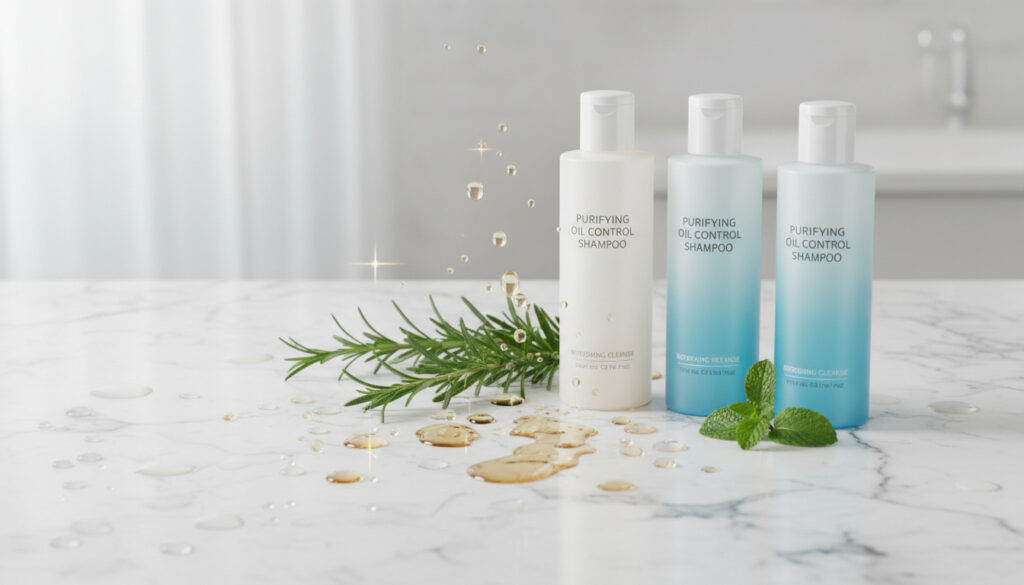
Shampoo for Greasy Hair – Top Picks and Oil Control Tips
Excess sebum production transforms freshly washed hair into an oily burden within hours, frustrating millions who struggle to maintain scalp balance. Greasy hair results from overactive sebaceous glands triggered by genetics, hormonal fluctuations, humidity, or harsh hair care practices that strip natural oils and trigger rebound production.
Modern solutions emphasize clarifying formulas that remove build-up without sulfates, leveraging botanical ingredients like tea tree and rosemary oils to regulate oil production naturally. Recent evaluations identify specific products that effectively cleanse oily scalps while preserving necessary moisture barriers, offering alternatives to detergent-heavy conventional options.
What Is the Best Shampoo for Greasy Hair?
Selecting effective cleansing products requires understanding that oily hair demands balancing acts—removing excess sebum without triggering compensatory oil production. The following overview compares leading options categorized by specific needs and formulations.
Maple Holistics Degrease harnesses tea tree, lemon, rosemary, and jojoba oils to dissolve build-up while maintaining color safety for men and women.
ACURE Daily Workout Watermelon & Blood Orange offers sulfate-free, vegan cleansing at drugstore accessibility, targeting gym-goers with daily wash needs.
Plaine Products Refillable Rosemary Mint Vanilla utilizes aloe-based clarifying action with aluminum bottle refills, ideal for thick, oily hair types.
Briogeo Scalp Revival replaces medicated coal tar with salicylic acid, tea tree, and charcoal to address flaking without depleting moisture.
- Sulfate-free formulations prevent the “rebound oiliness” cycle common with harsh detergents.
- Tea tree oil demonstrates measurable efficacy in reducing scalp bacteria and soothing irritation.
- Clarifying shampoos require restricted use—2 to 4 times weekly—to prevent over-stripping.
- Botanical oils like jojoba mimic human sebum, potentially regulating natural production patterns.
- Coconut-based surfactants effectively replace sulfates while maintaining cleansing power.
- Daily washing remains feasible with gentle, pH-balanced natural formulas.
- Scalp health directly correlates with oil production; treating the root cause outperforms superficial degreasing.
| Factor | Specification |
|---|---|
| Primary Cause | Overactive sebaceous glands |
| Optimal Washing Frequency | Every 1-2 days maximum |
| Key Active Ingredients | Tea tree, rosemary, jojoba, charcoal |
| Critical Avoidances | Sulfates, silicones, synthetic fragrances |
| Clarifying Limit | 2-4 applications weekly |
| pH Balance | 5.5 approximated for scalp health |
| Gender Application | Unisex formulations prove equally effective |
| Price Range | $10-$40 USD typical |
How to Choose the Right Shampoo for Oily Hair
Ingredient literacy separates effective oil management from marketing hype. Natural formulation guides emphasize that oily scalps require specific botanical allies while avoiding residue-creating compounds common in conventional products.
What Ingredients Should You Look For?
Tea tree oil emerges as a primary active in reviewed formulas, with video reviews highlighting its dual capacity to reduce bacterial proliferation and calm inflamed follicles. Rosemary oil assists in sebum balancing while imparting natural shine, and jojoba oil closely mimics human sebum, potentially signaling glands to reduce production.
For persistent build-up, activated charcoal and alpha-hydroxy acids like salicylic and lactic varieties offer mechanical and chemical exfoliation without plastic microbeads. Drunk Elephant’s Cocomino Glossing Shampoo exemplifies coconut-based surfactant systems that replace sulfates effectively.
Coconut-derived cleansing agents provide comparable lather and grease-cutting ability to sulfates while preserving the scalp’s acid mantle, preventing the dryness that triggers compensatory oil production.
Which Ingredients Should You Avoid?
Sulfates—particularly sodium lauryl and laureth varieties—strip protective oils aggressively, prompting glands to overproduce sebum within 24-48 hours. Medical guidance confirms this rebound effect complicates oil management.
Parabens, silicones, and synthetic fragrance compounds accumulate on oily scalps, creating residue that attracts additional dirt and sebum. For dandruff-prone individuals, traditional medicated options containing coal tar or zinc pyrithione present harsher alternatives to botanical equivalents like Briogeo’s acid-based system.
How Often Should You Wash Greasy Hair and Tips to Reduce Oiliness
Washing frequency represents a critical variable in sebum regulation, with paradoxical outcomes possible through both over- and under-cleansing.
Washing Frequency Guidelines
Dermatological consensus suggests washing every 1-2 days for moderate oiliness, while clarifying treatments should occupy only 2-4 weekly slots to prevent barrier damage. Product testing indicates that alternating between gentle daily formulas and deeper clarifying options yields optimal results.
Application Techniques
Effective cleansing targets the scalp rather than hair lengths. Massage shampoo thoroughly into roots, allowing active ingredients like tea tree oil to penetrate follicles. Rinse with lukewarm water—never hot—to prevent gland stimulation. Conditioner application should remain restricted to ends only, avoiding the scalp entirely.
Exceeding twice-daily washing or using clarifying formulas daily strips the acid mantle, triggering defensive sebum overproduction that worsens oiliness within weeks.
Managing Oil Between Washes
Dry shampoo absorbs excess sebum effectively between washes, extending style longevity. However, product accumulation necessitates regular clarifying rinses. Avoid hot water showers and touching hair frequently, as both transfer oils and stimulate glands.
Textured and curly hair types experiencing oiliness benefit from specialized formulations like Girl+Hair Cleanse, which incorporates tea tree and neem without disrupting curl patterns or moisture balance.
The Weekly Routine for Oily Hair Management
Consistent scheduling prevents the cyclical oiliness that results from irregular cleansing patterns. This timeline optimizes scalp health through strategic product rotation.
- Days 1-2: Gentle daily wash with sulfate-free botanical formula, focusing on scalp massage and cool rinse.
- Day 3: Clarifying treatment with charcoal or acid-based shampoo to remove build-up and dry shampoo residue.
- Days 4-5: Resume gentle cleansing, applying conditioner only to mid-lengths and ends.
- Day 6: Dry shampoo application if needed, avoiding scalp contact with hands throughout the day.
- Day 7: Second clarifying session or scalp treatment with rosemary oil pre-wash, depending on oil accumulation levels.
What Do We Know for Certain About Treating Greasy Hair?
Distinguishing established trichological facts from emerging trends prevents consumer confusion and ineffective purchasing.
| Established Evidence | Uncertain or Individual Variables |
|---|---|
| Sulfates trigger rebound oil production | Specific “best” product for universal application |
| Tea tree oil reduces scalp bacteria | Long-term effects of daily botanical use |
| Washing every 1-2 days controls moderate oil | Precise sebum regulation mechanisms by ingredient |
| Clarifying shampoos remove silicone build-up | Individual hormonal impact on specific formulas |
| Jojoba oil mimics human sebum | Clinical superiority of natural vs. medicated anti-dandruff options |
Why Does Hair Become Greasy?
Sebaceous glands exist primarily to protect skin and hair through sebum secretion, an oily substance containing triglycerides, wax esters, and squalene. When androgen hormones or genetic predisposition cause these glands to overproduce, hair appears greasy within hours of washing.
Scalp health research indicates that environmental factors including humidity, pollution exposure, and dietary patterns influence sebum viscosity and production rates. Additionally, mechanical irritation from over-brushing or touching transfers oils from fingertips to hair shafts, accelerating the greasy appearance.
Understanding that oily hair stems from scalp physiology rather than hair fiber dirtiness redirects treatment focus toward follicular health rather than aggressive strand scrubbing.
Evidence and Reviewer Perspectives
While peer-reviewed clinical trials specifically comparing 2024 shampoo formulations remain unpublished in available sources, consumer testing provides preliminary efficacy data.
Maple Holistics Degrease consistently earns top-rated status across platforms for immediate scalp relief and sustained oil reduction without the tightness associated with medicated alternatives.
Aggregate user review analysis, product review compilation
Broader dermatological research confirms that gentle cleansing preserves barrier function better than detergent-heavy approaches, supporting the sulfate-free trend evident in reviewed products.
Key Takeaways for Managing Oily Hair
Effective greasy hair management combines strategic product selection with disciplined washing routines. Prioritize sulfate-free clarifying formulas containing tea tree or rosemary oil, limit deep cleansing to several weekly applications, and maintain consistent 1-2 day washing schedules without over-processing. Those seeking Best natural shampoos for oily hair should evaluate ingredient transparency and scalp-specific formulations over marketing claims, consulting dermatologists for persistent sebum dysregulation.
Frequently Asked Questions
How often should you wash greasy hair?
Wash oily hair every 1-2 days using gentle, sulfate-free formulas. Reserve clarifying shampoos for 2-4 times weekly to prevent over-stripping natural barriers.
What is clarifying shampoo for oily hair?
Clarifying shampoos contain stronger surfactants or acids like salicylic or charcoal that remove build-up, silicones, and excess sebum. They differ from daily shampoos in their intensive cleansing action.
Do men and women need different shampoos for greasy hair?
No. Sebum production responds to hormonal and genetic factors rather than gender. Unisex formulas containing tea tree, rosemary, and jojoba oils prove equally effective for all users.
Can dry shampoo replace regular washing for oily hair?
Dry shampoo absorbs surface oil temporarily but does not cleanse the scalp. Overuse without regular washing creates residue that blocks follicles and requires clarifying treatment to remove.
Are natural shampoos effective for very oily hair?
Yes. Botanical ingredients like tea tree oil and charcoal demonstrate comparable grease-reduction to synthetic detergents without triggering the rebound oiliness associated with sulfates.
Should I avoid conditioner if I have greasy hair?
Avoid applying conditioner to the scalp or roots. Apply only to ends to prevent dryness and split ends without adding weight or oil to the scalp area.
More related posts
 Kate Lawler – Biography, Husband, Children and Net Worth
 Chris Coghill – Age, Partner, Slow Horses Role and Biography
 Bon Scott – Official Cause of Death, Biography and Legacy
 Patrick Duffy – Age, Wife, Net Worth and TV Career
 EE Customer Service Number – Free 0800 & 150 Helpline Hours
 Yeti Water Bottle – UK Guide to Sizes, Lids and Durability
 Lewis Strictly Come Dancing – Profile of the 2025 Star
 Kobbie Mainoo – Age, Parents, Salary and Career Profile
