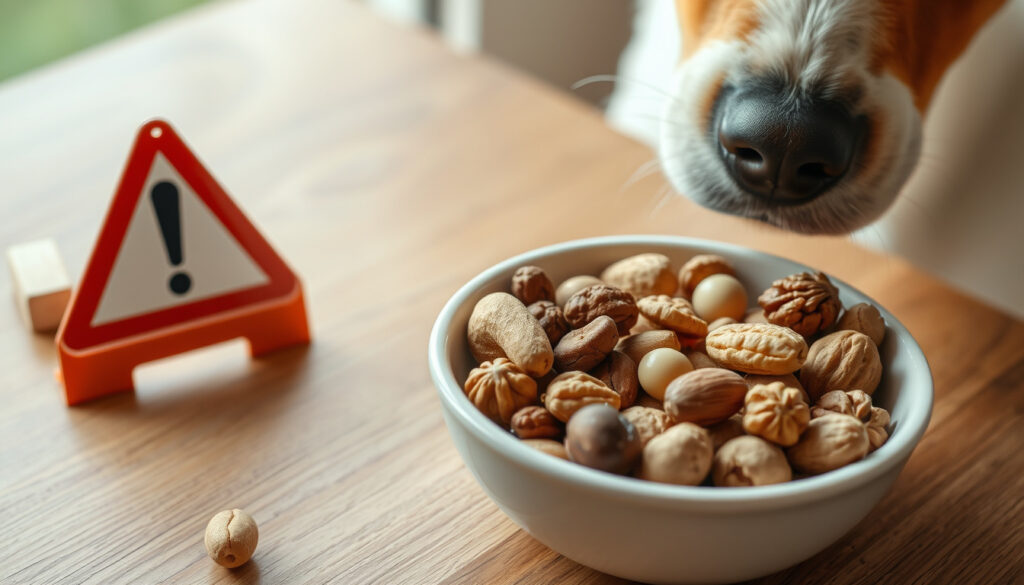
Can Dogs Eat Nuts – The Complete Safety Guide for Pet Owners
Many dog owners wonder whether sharing a handful of nuts with their pet is harmless. The short answer is that most nuts are not recommended for dogs because of their high fat content, which can trigger pancreatitis, obesity, and gastrointestinal distress. Salted and seasoned varieties add further risks. Only a few nuts, such as unsalted peanuts and cashews, may be safe in very small amounts as occasional treats. However, some nuts—especially macadamia nuts—are toxic and must never be fed. This guide breaks down which nuts are safe, which are dangerous, and what to do if your dog eats the wrong kind.
Understanding the risks requires looking at both the type of nut and how it is prepared. Plain, unseasoned nuts pose fewer hazards than those coated in salt, garlic, onion powder, or chocolate. Shells can cause choking or intestinal blockages. Even safe nuts, when overfed, can lead to serious health issues. The consensus among veterinary experts is clear: nuts should not be a regular part of a dog’s diet. If you choose to offer one, do so sparingly and under supervision.
Below, you will find a detailed classification of nuts by safety, a timeline of poisoning symptoms, and emergency steps recommended by veterinarians. Always consult your vet before introducing any new food.
Which Nuts Are Safe for Dogs to Eat?
Safe Nuts (in Moderation)
Peanuts (unsalted, shelled), cashews, almonds, pecans, hazelnuts, chestnuts
Toxic Nuts (Never Feed)
Macadamia nuts, black walnuts, moldy walnuts, Brazil nuts (high selenium risk)
General Rule
Only plain, unsalted, unseasoned nuts. No shells. Treats only – no more than a few per week.
Emergency?
If dog eats macadamia nuts, black walnuts, or shows weakness/vomiting, call your vet immediately.
- Key Insight 1: Moderation is critical. Nuts are high in fat and can cause pancreatitis if overfed.
- Key Insight 2: Even safe nuts can pose choking hazards – always break into smaller pieces for small breeds.
- Key Insight 3: Macadamia nut toxicity is well-documented but the exact toxin remains unknown; symptoms resolve with supportive care.
- Key Insight 4: Peanut butter is a common treat but always check for xylitol (artificial sweetener) which is highly toxic.
Nut Safety at a Glance: Dog-Friendly Chart
| Nut | Safe? | Notes |
|---|---|---|
| Peanuts (legume) | Yes | Unsalted, unshelled; avoid moldy peanuts |
| Cashews | Yes | Low fat compared to other nuts; limit to 2-3 for small dogs |
| Almonds | Yes (caution) | Choking risk; high fat; avoid flavored |
| Pecans | Yes (moderation) | High fat; may cause GI upset |
| Hazelnuts | Yes | Small amounts; remove shell |
| Chestnuts | Yes | Low fat; cooked only; avoid horse chestnuts |
| Macadamia | No | Toxic – causes weakness, tremors, hyperthermia |
| Black Walnuts | No | Contain juglone and mold risk; severe toxicity |
| English Walnuts | Conditional | Only if fresh and mold-free; check for rancidity |
| Brazil Nuts | No | High selenium; can cause selenium poisoning |
| Pistachios | Conditional | Mold/aflatoxin risk; shells hazard; high fat |
Which Nuts Are Toxic or Dangerous for Dogs?
Macadamia Nuts: The Most Dangerous
Macadamia nuts are unequivocally toxic to dogs. According to Purina, even a small number of raw or roasted macadamia nuts can cause severe poisoning. Symptoms include hind leg weakness, vomiting, tremors, and hyperthermia. The exact toxic agent has not been identified, but the effects are consistent across cases. Never feed macadamia nuts to a dog.
Walnuts: Mold Risk and Black Walnut Toxicity
Walnuts present two distinct dangers. Black walnuts contain a compound called juglone, which is toxic to dogs and can cause vomiting and tremors. English walnuts, while less toxic, are prone to developing mold that produces mycotoxins—compounds that can trigger seizures and liver damage. PetMD notes that even English walnuts should be avoided if there is any sign of mold or rancidity.
Brazil Nuts: Selenium Overload
Brazil nuts are extremely high in selenium, a mineral that can cause selenium poisoning in dogs when consumed in excess. Symptoms include gastrointestinal upset, hair loss, and neurological issues. The safe threshold for small dogs is not clearly defined, making these nuts a poor choice.
Pistachios: Potential Aflatoxin Threat
Pistachios carry a risk of aflatoxin, a mold-produced toxin that can cause liver damage. Additionally, their shells pose a choking and blockage hazard. While some sources say pistachios are safe in moderation, Pooch & Mutt advises caution due to the mold risk. Most veterinarians recommend avoiding them altogether.
Macadamia nuts and black walnuts are considered absolute no-gos by every major veterinary organization. Even one nut can be dangerous. If your dog ingests either, contact your veterinarian or an emergency pet poison hotline immediately. Do not wait for symptoms to appear.
How Many Nuts Can You Safely Give Your Dog?
General Rule: Treats Only, Not Meal Replacements
The general guideline from veterinary nutritionists is that treats—including nuts—should make up no more than 10% of a dog’s daily caloric intake. For most dogs, this translates to one or two small nuts per week, depending on size. A large breed might tolerate two unsalted almonds, while a small breed should have, at most, one peanut broken into pieces. Overfeeding nuts raises the risk of pancreatitis, a painful inflammation of the pancreas that can require hospitalization.
The Danger of Salt, Spices, and Shells
Salted nuts can lead to sodium ion toxicosis, causing excessive thirst, vomiting, and even seizures. Flavored nuts often contain garlic powder, onion powder, or chili—all of which are harmful to dogs. Honey-roasted nuts add sugar that can upset the digestive system. Shells are not digestible and can cause intestinal blockages or choking. Always choose plain, unsalted, shelled nuts. Vets Now emphasizes that preparation matters just as much as the nut variety.
Peanut Butter: Choose Xylitol-Free Brands
Peanut butter is a popular treat but requires label scrutiny. Some brands now use xylitol, an artificial sweetener that is extremely toxic to dogs. Even a small amount can cause a rapid drop in blood sugar and liver failure. Always check the ingredients list. Pet Poison Helpline reports an increase in xylitol poisoning cases linked to peanut butter. Stick to brands that contain only peanuts and possibly salt.
For a medium-sized dog (20-30 lbs), one unsalted peanut or two cashew pieces is a reasonable occasional treat. For a small dog (under 15 lbs), break the nut into halves or quarters. Never feed a whole nut to any dog due to choking risk. If your dog has a history of pancreatitis, diabetes, or food allergies, avoid nuts entirely and consult your veterinarian for alternative treats.
What Happens If a Dog Eats a Toxic Nut? Symptoms and Steps to Take
Macadamia Nut Poisoning: Signs Within 12 Hours
Symptoms of macadamia nut poisoning typically appear within 6 to 12 hours of ingestion. The most common sign is weakness in the hind legs, often causing the dog to stagger or refuse to stand. Other indicators include vomiting, diarrhea, tremors, lethargy, loss of coordination, fever, abdominal pain, and a rapid heart rate. The ASPCA classifies macadamia nuts as a people food to avoid feeding pets due to the severity of these reactions.
Moldy Walnut Tremors: What to Watch For
Moldy walnuts can contain mycotoxins such as penitrem A and roquefortine, which cause neurological symptoms. Dogs may develop tremors, seizures, excessive salivation, vomiting, and fever within 12 to 48 hours. In severe cases, liver damage can occur. Any walnut with visible mold or a rancid smell should be thrown away immediately. Even English walnuts must be stored properly to prevent mold growth.
Immediate Actions: When to Call Your Vet
If your dog eats any amount of macadamia nuts, black walnuts, moldy nuts, or an unknown quantity of any nut, contact your veterinarian or an emergency pet poison control center right away. Do not induce vomiting unless specifically directed by a veterinary professional.
- ASPCA Animal Poison Control: 888-426-4435 (24/7)
- Pet Poison Helpline: 855-764-7661 (24/7)
Treatment depends on timing and symptoms. Early intervention may involve decontamination (activated charcoal). If symptoms are already present, supportive care such as intravenous fluids, anti-nausea medication, and muscle relaxants is given. Most dogs recover within 24 to 72 hours with proper veterinary care. Pancreatitis, a possible complication from high-fat nuts, may require longer hospitalization.
Keep the phone numbers of your regular vet and the nearest 24-hour emergency clinic stored in your phone and posted on your refrigerator. When a potential poisoning occurs, time is critical. Knowing exactly where to call can save vital minutes.
Timeline of Symptoms After Eating Toxic Nuts
- 0–6 hours: Possible vomiting, diarrhea, or no immediate signs. Macadamia nut symptoms often delay. Action: Monitor; do not induce vomiting unless directed by vet.
- 6–12 hours (Macadamia): Onset of weakness (especially hind legs), trembling, lethargy, fever (hyperthermia). Action: Contact vet immediately; symptoms can escalate.
- 12–48 hours (Moldy walnuts): Tremors, seizures, vomiting from mycotoxins (penitrem A, roquefortine). Action: Urgent veterinary care; decontamination and supportive treatment.
- 48+ hours: Most dogs recover with treatment; some may need IV fluids and muscle relaxants. Action: Follow-up vet check; watch for pancreatitis if high fat intake.
What We Know – and What’s Still Unclear
| Established Information | Information That Remains Unclear |
|---|---|
| Macadamia nuts are unequivocally toxic to dogs; symptoms are well-documented. | The exact toxic agent in macadamia nuts is still unidentified. |
| Moldy walnuts containing mycotoxins can cause severe neurological symptoms. | Almonds are considered safe by most vets, but some caution against due to size and fat; no consensus on a ‘safe’ number. |
| Plain, unsalted peanuts are safe in small amounts. | Pistachio safety is debated because of aflatoxin mold risk – most vets say yes in moderation, but advise caution. |
| Xylitol in peanut butter is toxic and can cause hypoglycemia and liver failure. | Brazil nut toxicity threshold is not clearly defined for small dogs; selenium levels vary per nut. |
Context: Why Some Nuts Are Dangerous and How to Feed Safely
Nuts are nutrient-dense and often high in fats, which can trigger pancreatitis in dogs, especially in predisposed breeds like Miniature Schnauzers. Even safe nuts should be limited to no more than 10% of daily calories.
Macadamia nuts remain a veterinary puzzle – the toxin is heat-stable and not neutralized by cooking. Affected dogs typically recover within 24-48 hours with supportive care, but ingestion of more than a few nuts can be serious.
Walnuts carry a dual risk: English walnuts can develop mold that produces mycotoxins, while black walnuts contain juglone, a compound toxic to horses and dogs. Always store walnuts properly and discard any with visible mold.
Nut butters are convenient but require label scrutiny. Many commercial peanut butters now use xylitol as a sweetener – even a small amount can cause rapid insulin release and life-threatening hypoglycemia in dogs.
Expert Sources and Quotations
“Dogs can eat some nuts, but only certain kinds and in small quantities. Plain peanuts, cashews, and almonds are generally safe, while macadamia nuts are never safe.”
— Purina Veterinary Team
“Macadamia nuts can cause severe weakness and tremors in dogs. If you suspect your dog has eaten them, contact your vet immediately.”
— Vets Now (Emergency Vets UK)
“While most nuts are not toxic, they are high in fat and should only be given as an occasional treat. Always choose unsalted, unseasoned varieties.”
— Pooch & Mutt (Vet-Verified)
What’s Next: Ongoing Research and Emerging Concerns
Research continues into the specific toxin in macadamia nuts; until identified, absolute avoidance is recommended. The rise of xylitol in nut butters has led to increased pet poisonings; owners must read labels carefully. Social media trends (e.g., feeding dogs nut-based ‘snacks’) may increase risks, and updated vet guidance is needed to address these evolving challenges.
In summary, the safest approach is to avoid feeding nuts to your dog as a regular treat. If you do offer a nut occasionally, stick to unsalted, shelled peanuts or cashews, in tiny amounts, and always supervise your pet. For a broader list of safe snacks, see our article on List of safe fruits for dogs or check whether Can dogs eat strawberries?
Frequently Asked Questions
Can dogs eat peanuts in the shell?
No. Shells are difficult to digest and can cause intestinal blockages or choking. Always remove shells.
Can dogs eat honey-roasted nuts?
Not recommended. The sugar and coatings can cause GI upset, and honey can sometimes contain botulism spores (especially for puppies).
Can dogs eat pine nuts?
Yes, in very small amounts. They are high in fat and may cause pancreatitis if overfed.
Can dogs eat nut-based milks (almond milk, cashew milk)?
Plain, unsweetened versions are generally safe in small amounts, but they offer no nutritional benefit and contain thickeners that may cause mild diarrhea.
Can dogs eat moldy nuts?
Absolutely not. Mold can produce mycotoxins that cause tremors, seizures, and liver damage.
Can dogs eat pecans?
Yes, but they are very high in fat and can cause pancreatitis if eaten in quantity. Limit to 1-2 pieces for large dogs.
More related posts
 Ghost Cod – Everything About Simon Riley, Face, Age and Cosplay
 Judi Dench – Biography, Age, Net Worth, Movies, and Family (2025)
 Ynw Melly – Retrial Set for January 2027 After Mistrial
 Where to Watch India National Cricket Team vs England Cricket Team – Streaming Options by Region
 Keisha Buchanan – Age, Children, Net Worth and Music Career
 Lashana Lynch – Biography, Movies, Net Worth & More
 Dying Light 2 Review – The Verdict After Three Years of Patches
 Lightning McQueen – Full Name, Real Car, Movies and Merchandise
