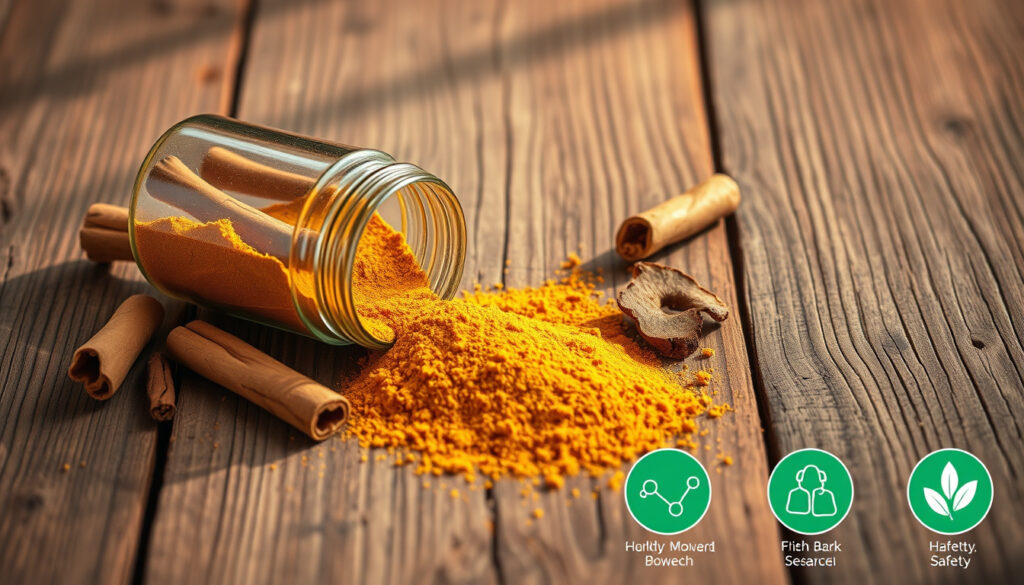
Is Cinnamon Good for You – Benefits, Science and Safety
Cinnamon has been prized for centuries as both a culinary spice and a traditional remedy. But modern science is still catching up with centuries of anecdotal use, revealing a complex picture of potential benefits and important safety considerations. Understanding which type of cinnamon you are using, and how much, makes the difference between a helpful addition to your diet and a potential health risk.
The spice comes in several distinct varieties, with two main categories dominating the market: Ceylon cinnamon, often called “true cinnamon,” and the various types of cassia cinnamon sold in most grocery stores. These varieties differ dramatically in their coumarin content—a compound that, in high amounts, may pose risks to liver health. Recent meta-analyses have begun to clarify both what cinnamon can do and where the boundaries of safe use lie.
Is Cinnamon Good for You?
The answer depends significantly on which type of cinnamon you use and in what quantities. Research supports several health benefits when cinnamon is consumed appropriately, though important limitations exist.
Key Insights from Research
- Studies suggest 1.5g of cinnamon daily may help lower cholesterol levels in some individuals
- Cinnamon may reduce HOMA-IR, a marker of insulin resistance, making it potentially useful for blood sugar management
- The spice demonstrates anti-inflammatory properties by reducing inflammation markers in clinical observations
- Both cassia and Ceylon varieties show evidence supporting blood sugar control
- Ceylon cinnamon contains approximately 250 times less coumarin than cassia varieties
- The National Center for Complementary and Integrative Health states that no research suggests cinnamon can treat any particular condition
- Meta-analyses show no significant adverse events when cinnamon is used within daily tolerable intake limits
What the Evidence Shows
| Claim | Evidence Level | Source |
|---|---|---|
| Blood sugar management | Supported by multiple studies | PubMed meta-analyses |
| Antioxidant properties | High ORAC scores documented | Healthline |
| Anti-inflammatory effects | Clinical observations | Medical literature |
| Cholesterol support | 1.5g/day studies | WebMD |
| Weight loss | Preliminary evidence only | Various sources |
| Curative properties | Not supported | NCCIH |
| Safe at appropriate doses | Umbrella review confirmed | PMC/NIH |
Cinnamon Benefits for Weight Loss
Cinnamon is frequently promoted as a weight loss aid, but the evidence requires careful interpretation. The spice may support weight management efforts through several mechanisms, though it is not a standalone solution.
How Cinnamon May Support Weight Management
Research suggests cinnamon may influence weight through blood sugar regulation. When blood glucose levels remain stable, cravings for sugary and carbohydrate-rich foods tend to decrease. Some studies indicate that cinnamon can slow the rate at which the stomach empties after eating, which may contribute to feelings of fullness lasting longer.
The metabolism-supporting properties of cinnamon appear most pronounced when the spice is consumed regularly over extended periods. Cinnamon water and cinnamon tea represent popular methods for incorporating the spice into a daily routine, though individual results vary considerably.
Weight loss benefits from cinnamon remain preliminary. According to the National Center for Complementary and Integrative Health, no current research suggests cinnamon can treat any particular condition. Cinnamon should be viewed as a potential supportive element within a comprehensive weight management approach that includes balanced nutrition and regular physical activity.
Realistic Expectations
Those considering cinnamon for weight management purposes should understand that effects tend to be modest. The spice appears most effective when used consistently over time rather than as an occasional remedy. Most research examining cinnamon and metabolic function has involved daily consumption of one to two grams over periods of several weeks or months.
Cinnamon Benefits for Women and Men
While cinnamon benefits generally apply across populations, certain considerations differ between women and men. Research has not extensively studied gender-specific effects, but existing evidence and physiological differences suggest some variations worth noting.
Considerations for Both Genders
Both men and women may experience blood sugar regulatory benefits from regular cinnamon consumption. The anti-inflammatory and antioxidant properties appear consistent regardless of gender. Some research has examined cinnamon’s effects on hormonal balance, though findings remain preliminary and require further investigation.
Regarding cholesterol, studies suggest cinnamon may help reduce total cholesterol and triglyceride levels. These effects could be particularly relevant for cardiovascular health in both women and men, though individual factors such as baseline health status and diet quality influence outcomes.
Special Considerations
Pregnant women should exercise particular caution with cinnamon. According to guidance from WebMD, pregnant women should avoid using cinnamon as a treatment. High amounts of cassia cinnamon, specifically, may pose risks during pregnancy due to coumarin content. Breastfeeding women and children are also advised to avoid therapeutic doses.
For those with existing liver conditions, the coumarin content in cassia cinnamon raises additional concerns. These individuals should consult healthcare providers and may want to consider Ceylon cinnamon exclusively, which contains negligible coumarin levels.
People taking diabetes medications should monitor blood sugar closely when consuming cinnamon, as the combination may cause blood sugar to drop too low. Blood thinner interactions are also possible. Always discuss any supplementation with your healthcare provider.
Best Ways to Use Cinnamon: Tea, Water, and Powder
The method of consuming cinnamon affects both its potential benefits and safety profile. Different preparation methods offer distinct advantages depending on your goals and how frequently you plan to use cinnamon.
Cinnamon Tea and Cinnamon Water
Preparing cinnamon as tea represents one of the safest and most pleasant ways to incorporate the spice into your routine. Simply steep a cinnamon stick or add half a teaspoon of powder to hot water and allow it to infuse for several minutes. This method allows for easy dosage control and provides a gentle way to consume cinnamon consistently.
Cinnamon water, made by soaking cinnamon sticks in room temperature water overnight, offers another option. This preparation method may help lower blood sugar levels after meals and supports metabolism. The mild nature of this preparation makes it suitable for regular daily use, particularly when using Ceylon cinnamon.
Powdered Cinnamon
Ground cinnamon powder provides the most versatile option for culinary use. Sprinkling cinnamon over oatmeal, adding it to baking, or incorporating it into smoothies allows for flexible dosing. When using powdered cinnamon, awareness of the specific type becomes crucial—cassia cinnamon powder in grocery stores contains significantly more coumarin than Ceylon powder.
For supplemental purposes, capsules and extracts offer concentrated doses. These forms carry higher risk with cassia varieties, as it becomes easier to exceed safe coumarin thresholds. Those taking supplemental cinnamon should prioritize Ceylon-based products to minimize coumarin exposure.
Choosing the Right Form
- For daily tea or water: Either type works in moderate amounts
- For regular cooking: Cassia is acceptable in normal culinary amounts
- For supplemental capsules: Ceylon cinnamon strongly preferred
- For those with liver concerns: Ceylon exclusively
- For occasional baking: Standard grocery cinnamon is fine
A Brief History of Cinnamon Research
Scientific investigation into cinnamon’s health properties has evolved considerably over the years, moving from traditional uses to modern clinical research.
- Ancient civilizations — Cinnamon was used in traditional medicine systems across Asia, Egypt, and Europe for thousands of years, primarily for digestive complaints and preservation.
- Early 2000s — Modern clinical research examining blood sugar effects began emerging, with initial studies showing promising results for glycemic control.
- 2010s — Multiple randomized controlled trials and meta-analyses were published, establishing a more comprehensive picture of benefits and limitations.
- 2019 — Deyno et al. published findings showing no significant safety differences between cinnamon and placebo groups.
- 2020s — Regulatory attention increased, particularly regarding coumarin safety. Umbrella reviews synthesizing existing evidence supported the safety profile when used within established limits.
- Present — Research continues focusing on specific applications, optimal dosing, and the development of better manufacturing standards for cinnamon supplements.
What We Know and What Remains Unclear
Research has established certain facts about cinnamon while other questions remain open. Understanding this distinction helps consumers make informed decisions.
| Established Information | Information That Remains Unclear |
|---|---|
| Safe within 0.1 mg/kg coumarin limits | Precise optimal daily dosing for specific conditions |
| Blood sugar management support confirmed | Long-term effects beyond 6 months |
| Ceylon contains 250x less coumarin than cassia | Safety in children and pregnant women specifically |
| Antioxidant properties documented | Gender-specific dosing recommendations |
| No curative properties established | Effects of Ceylon cinnamon specifically (most studies used cassia) |
| Adjuvant treatment role supported | Manufacturing quality standardization |
Most clinical trials have used cassia cinnamon rather than Ceylon. This means much of what we know about health benefits comes from cassia studies, while Ceylon—which is considered safer for regular use—has been less extensively studied for therapeutic effects. For a delicious lemon drizzle cake recipe, check out this Lemon Drizzle Cake Recipe.
Understanding Cinnamon Types and Safety
The distinction between cinnamon varieties represents one of the most important factors for anyone using the spice for health purposes. Four main types dominate the global market, with significant differences in their coumarin content.
Ceylon cinnamon, originating from Sri Lanka and southern India, contains only trace amounts of coumarin at approximately 0.004 percent. This makes it the safest choice for daily or long-term supplementation. Chinese cassia, the most commonly sold variety in Western supermarkets, contains coumarin levels ranging from 0.1 to 0.8 percent—dramatically higher than Ceylon.
Indonesian cassia falls in a similar range to Chinese cassia, while Vietnamese or Saigon cinnamon carries the highest coumarin content, with levels reaching up to 6-7 milligrams per gram in some samples. These differences mean that a teaspoon of Vietnamese cassia could contain the equivalent coumarin of an entire bottle of Ceylon powder.
European and UK food safety authorities have established a tolerable daily intake of 0.1 milligrams of coumarin per kilogram of body weight. For a 70-kilogram adult, this translates to approximately 7 milligrams daily. One gram of cassia cinnamon may contain 1-10 milligrams of coumarin, while the same amount of Ceylon contains roughly 0.04 milligrams.
Sources and Expert Guidance
“Cinnamon can improve health status as an adjuvant treatment. Safety can be guaranteed when used at appropriate doses.”
“No current research suggests that cinnamon can help treat any particular condition.”
“The Food Standards Agency recommends no more than 0.1 milligrams per kilogram of body weight per day of coumarin.”
The Bottom Line
Cinnamon can be a valuable addition to a healthy diet when approached with awareness of its differences and limitations. The spice offers genuine support for blood sugar management and provides antioxidant benefits, but it should not be viewed as a cure for any condition. Choosing Ceylon cinnamon for daily use eliminates coumarin concerns, while cassia cinnamon remains safe in moderation for occasional culinary purposes.
Those considering cinnamon for specific health purposes should consult healthcare providers, particularly if taking medications or managing conditions like diabetes. Starting with small amounts and monitoring your body’s response allows you to gauge effects safely. For more information on how foods can support your health, explore our guide on Are Apples Good for You or learn about Benefits of Vitamin D.
Frequently Asked Questions
Is cinnamon good for you in the UK?
Yes, cinnamon is good for you when used appropriately in the UK. The Food Standards Agency recommends keeping coumarin intake below 0.1 mg per kg of body weight daily. Choosing Ceylon cinnamon for regular use eliminates coumarin concerns entirely.
How much Ceylon cinnamon should you take daily?
Ceylon cinnamon is safe even at higher doses due to its negligible coumarin content. For general health benefits, 1-2 grams daily is commonly suggested, though specific amounts depend on individual goals and tolerance.
Is cinnamon powder good for you?
Yes, cinnamon powder can be good for you, but the type matters significantly. Ceylon cinnamon powder offers the safest profile for regular consumption, while cassia powder should be limited to approximately half a teaspoon daily.
What are the main side effects of cinnamon?
Main side effects include potential liver toxicity from coumarin (primarily with cassia varieties), blood sugar dropping too low when combined with diabetes medications, breathing problems, and mouth sores in some individuals.
Who should avoid cinnamon?
Children, pregnant women, breastfeeding women, and people with existing liver problems should avoid using cinnamon therapeutically. Those with sensitivity to coumarin should also exercise caution or avoid the spice entirely.
Does cinnamon help with blood sugar?
Research supports that cinnamon may help lower fasting blood glucose levels and reduce insulin resistance markers. However, according to the NCCIH, no evidence suggests cinnamon can treat any particular condition. It should complement, not replace, medical treatment.
What’s the difference between Ceylon and cassia cinnamon?
Ceylon cinnamon contains approximately 250 times less coumarin than cassia varieties, making it dramatically safer for daily use. Ceylon has a milder, sweeter flavor while cassia is more pungent and is what most grocery stores sell.
More related posts
 Stranger Things The First Shadow – Tickets, Cast, Plot and Reviews 2025
 Patricia Routledge – Beloved Hyacinth Bucket Dies at 96
 Sophia Myles – Biography, Age, Doctor Who Roles and Relationship History
 Peter Thiel – Net Worth, Biography, Books and Controversies
 Jeans Levis – Complete Fit Guide for UK Shoppers
 Nicki Minaj – Biography, Net Worth, Songs, and Controversies
 Manchester Airport Parking Terminal 1 – Guide to Alternatives
 Water Bottles UK 2025 – Complete Guide to Reusable and Insulated Options
