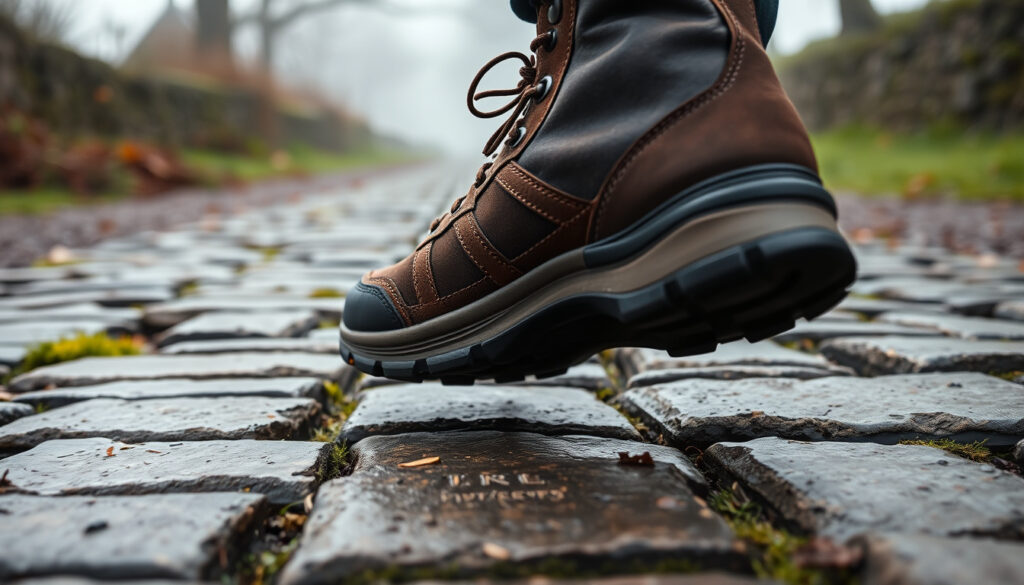
Shoes Insoles – UK Guide for Walking and Flat Feet
Shoe insoles are a low-cost, reversible first step when shoes feel uncomfortable, unsupportive, or simply too big. The right choice depends on the problem: structured orthotics for flat feet, gel for shock absorption, memory foam for softness, and thick full-length insoles for shoes that need extra volume.
For long walks, stability matters more than softness alone. A stable heel cup, adequate arch support and cushioning are the features that determine how the feet feel after a full day on hard pavements.
UK buyers can choose between pharmacy chains, sports retailers, marketplaces and specialist footcare stores. The range is broad enough that the main challenge is matching the product to the need.
What are the best shoe insoles?
There is no single best insole for every foot. A UK guide on shoe insoles summarises the logic: structured orthotics for flat feet or over-pronation, gel for shock absorption, memory foam for softness, and thick full-length insoles for shoes that are too large.
Cushioning, arch support, fit adjustment, shock absorption.
Gel, memory foam, arch support, orthotic, walking/running.
People with foot discomfort, flat feet, walking or standing needs, and shoes that are too big.
Boots, Sports Direct, Footactive, ShoeInsoles.co.uk, Amazon, Tesco and Screwfix.
- Shoe insoles are a low-cost, reversible first step for comfort and fit issues.
- The two main buying drivers are activity, such as walking or standing, and foot condition, such as flat feet.
- Thicker insoles can add volume to loose shoes, but they cannot fix the wrong shoe length.
- Convenience retailers such as Tesco and Screwfix matter mainly for availability and price, not specialist advice.
- Claims of NHS approval should be checked against official NHS guidance rather than accepted as a universal endorsement.
| Detail | What the evidence shows |
|---|---|
| Category | Foot care / shoe accessory |
| Common types | Gel, memory foam, arch support, orthotic, walking/running |
| Primary uses | Cushioning, support for flat feet, comfort for walking, filling extra space in loose shoes |
| Retailers commonly used in the UK | Boots, Footactive, Sports Direct, ShoeInsoles.co.uk, Amazon, Tesco, Screwfix |
| Typical price range | Roughly £5–£65 depending on the product type |
| Replacement signal | Compression, odour and visibly reduced support |
| Medical status | Over-the-counter insoles are general wellness products; persistent foot pain needs professional assessment |
Shoe insoles for walking
For walking and standing, a full-length walking or orthotic insole is usually the most reliable starting point. It combines heel cushioning, arch control and pressure distribution, and models with a heel cup can improve stability. Full-length walking and orthotic designs are grouped in the Comfort Insoles category at ShoeInsoles.co.uk.
Different needs call for different materials and structures.
| Need | Best choice | Why it works |
|---|---|---|
| Flat feet or fallen arches | Firm arch-support orthotic | Helps support the medial arch and improve foot control; soft gel alone usually does not provide meaningful structural support. |
| Walking and standing | Full-length walking or orthotic insole | Combines heel cushioning, arch control and pressure distribution; models with a heel cup can improve stability. |
| Heel impact or hard pavements | Gel, Sorbothane or shock-absorbing foam | Gel and Sorbothane are intended to cushion the full foot and absorb impact. |
| Maximum softness | Memory foam | Moulds to the foot and spreads pressure, but can compress and flatten faster with daily use. |
| Shoes that are too big | Thick, full-length insole | Fills more internal volume and provides a more even fit than a short insert. |
| Narrow, pointed or dress shoes | Slim 3/4-length orthotic | Leaves toe room while supporting the heel and arch; 3/4 designs fit more footwear styles. |
| Boots or roomy trainers | Full-length thick gel, foam or orthotic | Uses the available volume and helps stop the foot sliding forward. |
Gel and memory foam are the two most common cushioning materials. Gel is better for impact absorption and heel cushioning and usually retains its cushioning better than memory foam. It suits walking, work shoes and hard surfaces, but it does not necessarily correct flat feet or over-pronation. A UK podiatry buying guide points to gel, Sorbothane and shock-absorbing foam as materials intended to cushion the full foot and absorb impact.
Memory foam is softer and more adaptive. It helps distribute pressure and reduce general fatigue, which makes it useful when comfort is the priority or shoes feel harsh underfoot. Under heavy daily use, however, it may permanently compress sooner than gel.
A combined design—structured base, supportive arch and gel or foam cushioning—is usually more versatile for walking than a purely soft insert.
How do shoe insoles help with flat feet?
For flat feet, the key features are a firm or medium-firm arch, a supportive chassis and a deep heel cup. A very soft insole may feel comfortable initially but can allow the foot to continue rolling inward. Structured orthotic designs are generally more suitable when the goal is support and alignment. NHS guidance on flat feet says that many people have the condition without pain and may not need treatment unless symptoms develop.
What should a flat-feet insole provide?
The key elements are the arch profile, the stiffness of the chassis and the depth of the heel cup. A soft gel layer alone does not provide meaningful structural support; the rigidity of the base is what controls motion.
Which arch-support insoles are available in the UK?
Several structured designs are widely available.
- Powerstep Original or Pinnacle: full-length orthotic designs with structured support.
- Superfeet support insoles: available in different profiles, including high-arch and high-impact designs.
- Slimflex arch-support insoles: available in full-length and 3/4-length versions, with reinforced arch and heel areas.
- Spenco Total Support: differentiated by support level and shoe-space requirements—firmer “Max,” balanced “Original” and slimmer “Thin.”
The Arch Support Insoles range at ShoeInsoles.co.uk brings together these and similar products.
New firm orthotics should be introduced gradually and worn for short periods before all-day use. They are unsuitable if they cause sharp pain, numbness or worsening symptoms.
Can shoe insoles fix shoes that are too big?
A thick, full-length insole fills more internal volume and provides a more even fit than a short insert. It can make a slightly loose shoe feel secure, but it cannot correct a fundamentally wrong shoe length or width.
What should you check before buying a thicker insole?
- The existing insole should be removed if possible and replaced rather than stacking inserts.
- The shoe should still have roughly a thumb’s width of toe room; it should not become too short.
- The insert should be tested with the socks normally worn.
- The heel should not lift and the toes should not be compressed.
- A heel grip is only for minor heel slippage; it will not fill excess volume through the whole shoe.
- For substantially oversized shoes, an insole may not correct poor length or width. A better-fitting shoe is safer than compensating with excessive padding.
How should insoles be sized?
Insole sizing is generally based on the shoe size, not the bare-foot length. If the shoe has a non-UK size or the original insole is removable, measure that insole and compare it with the manufacturer’s chart.
A thicker insole should be tested with the socks the buyer plans to wear. The heel should not lift and the toes should not be compressed.
Where can I buy shoe insoles in the UK?
UK buyers have several routes to purchase insoles, and each has trade-offs. Specialist retailers tend to carry deeper ranges, while supermarkets and marketplaces offer convenience.
Buying shoe insoles at Tesco
Tesco’s marketplace carries a range of footcare products, including Scholl GelActiv, Superfeet, gel inserts, heel lifts and shock-absorbing insoles. The health-and-beauty footcare range and the sports foot-supports category both list these products. Marketplace items may be sold and dispatched by third-party partners rather than by Tesco itself.
Which other UK retailers sell insoles?
Specialist online stores such as ShoeInsoles.co.uk carry orthotics, arch-support, memory-foam, walking and 3/4-length insoles. Sports Direct is a useful source for lower-cost sports and general cushioning options, although it provides less specialist medical guidance than a podiatry-focused retailer.
Boots and other pharmacies stock Scholl and basic gel or memory-foam products for general comfort. Podiatry or orthotic clinics are the better option when pain is persistent, one foot differs substantially from the other, or over-pronation and gait problems need assessment. Trade-focused chains such as Screwfix are not typical footcare retailers, although some branches may carry utility or work-boot insoles; availability varies by store.
A UK podiatry buying guide places typical insole prices at roughly £5–£65, depending on whether the product is a basic cushioning insert or a more structured orthotic.
Tesco marketplace items may be sold and dispatched by third-party partners rather than by Tesco itself, so the seller can differ between listings.
How long does it take to know whether new insoles work?
Finding the right insole usually follows a short sequence: the problem is identified first, then a category is chosen, and the product is tested in the shoes the buyer actually wears.
- 0–2 weeks: identifying the specific problem—pain, foot type, activity, or loose fit.
- 2–4 weeks: choosing an insole category—gel, memory foam, arch support, or specialist orthotic.
- 4–6 weeks: testing the insoles in the target shoes for a full day, while monitoring comfort, rubbing and fit.
- Ongoing: inspecting insoles for compression, odour and wear, and replacing them when support or cushioning is reduced.
What is certain about shoe insoles and what is not?
Some claims about insoles are well supported; others depend on the shoe, the person and the retailer.
| Established | Not fully established |
|---|---|
| Insoles add cushioning and can take up extra volume in shoes. | Whether an insole can make an overly large shoe safe and comfortable depends on shoe length, width, heel fit and activity. |
| Arch-support insoles are commonly recommended for flat-feet discomfort, although individual results vary. | Retail availability at Tesco and Screwfix differs by store and stock; not all locations carry insoles. |
| Gel insoles cushion the foot but do not necessarily correct flat feet or over-pronation. | “NHS-approved” labels should be verified against a specific approval or accreditation scheme; they are not a universal endorsement. |
Why do shoe insoles matter beyond cushioning?
The UK market for shoe insoles is dominated by retailers rather than medical institutions or news sources. Pharmacy chains, sports retailers and specialist footcare stores publish their own product guidance, which means most of what buyers read is commercial in origin.
Foot pain and flat feet are health-related topics, which is why professional guidance matters. Over-the-counter insoles are general wellness and support products. They are not a replacement for a podiatry assessment when pain is persistent or one foot differs significantly from the other.
The “too big” problem is a fit issue rather than a medical one. An insole is a temporary volume fix and cannot replace a correctly sized shoe. The right solution is often a better-fitting shoe rather than additional padding.
Retail searches for Tesco and Screwfix are convenience-driven. Buyers in those cases want a quick, local purchase, not necessarily the deepest product range.
Where should you look for authoritative guidance on insoles?
For foot-health questions, official NHS pages and professional podiatry bodies are the most reliable references. Retail buying guides are useful for product selection but should not replace clinical advice.
NHS guidance on foot pain advises that persistent, severe or worsening pain should be assessed by a health professional.
NHS guidance on plantar fasciitis provides context for heel pain and the use of orthotic devices.
The Royal College of Podiatry is the professional body for podiatrists in the UK and a reference point for guidance on orthotic treatment.
What should you take away before buying insoles?
The practical rule is to match the insole to the problem: a medium-firm full-length orthotic with a heel cup for flat feet plus walking, gel for impact, memory foam for softness, and a thick full-length insole for shoes that are too big. For persistent pain, or if plantar fasciitis, diabetes, arthritis or significant gait problems are suspected, a podiatrist is the right next step rather than another layer of cushioning.
What else do buyers ask about shoe insoles?
Does Screwfix sell shoe insoles?
Screwfix is primarily a trade supplier and not a typical footcare retailer. Some branches may stock utility or work-boot insoles, but availability varies by store and is not guaranteed. For a wider choice and clearer advice, a pharmacy or sports retailer is usually more reliable. Current stock should be confirmed before travelling.
What does NHS-approved mean for insoles?
Some retailers describe insoles as NHS-approved, but the specific approval scheme is not always visible. The phrase is not a universal endorsement of every product. Buyers should verify the claim with the retailer and compare it with official NHS guidance.
How much do shoe insoles cost in the UK?
A UK podiatry buying guide places typical insole prices at roughly £5–£65, depending on whether the product is a basic cushioning insert or a more structured orthotic.
Can gel insoles support flat feet?
Gel insoles are better for impact absorption and heel cushioning than for structural support. For flat feet, a firm or medium-firm arch-support orthotic is generally more suitable. Soft gel alone usually does not provide meaningful arch control.
How often should shoe insoles be replaced?
There is no fixed replacement interval. Insoles should be inspected regularly for compression, odour and wear. When support and cushioning are visibly reduced, they should be replaced. Memory foam may compress sooner under heavy daily use; gel generally retains its cushioning longer.
Should I choose full-length or 3/4-length insoles?
Full-length insoles fill more internal volume and work well in boots, roomy trainers and shoes that are too big. Slim 3/4-length designs leave toe room and fit more narrow or pointed footwear while still supporting the heel and arch.
Can I stack two insoles in one shoe?
If the existing insole is removable, it should be removed and replaced with a thicker full-length insole rather than stacking inserts. Stacking inserts may lift the heel and compress the toes. A heel grip works only for minor heel slippage.
More related posts
 Danny Mac – Hollyoaks Star, Strictly Contestant and Husband
 Bruce Dickinson – Biography, Net Worth and Pilot Career
 Ronnie Corbett – Biography, Height, and Cause of Death
 Josie Lawrence – Biography Career and Personal Life
 Benjamin Netanyahu – Age, Family, and Political Career
 Gabriella Wilde – Biography, Poldark Role, and Family Life
 Lauren Laverne – Smouldering Myeloma Diagnosis and Career
 Rich Paul – Biography, Net Worth and Klutch Sports Sale
