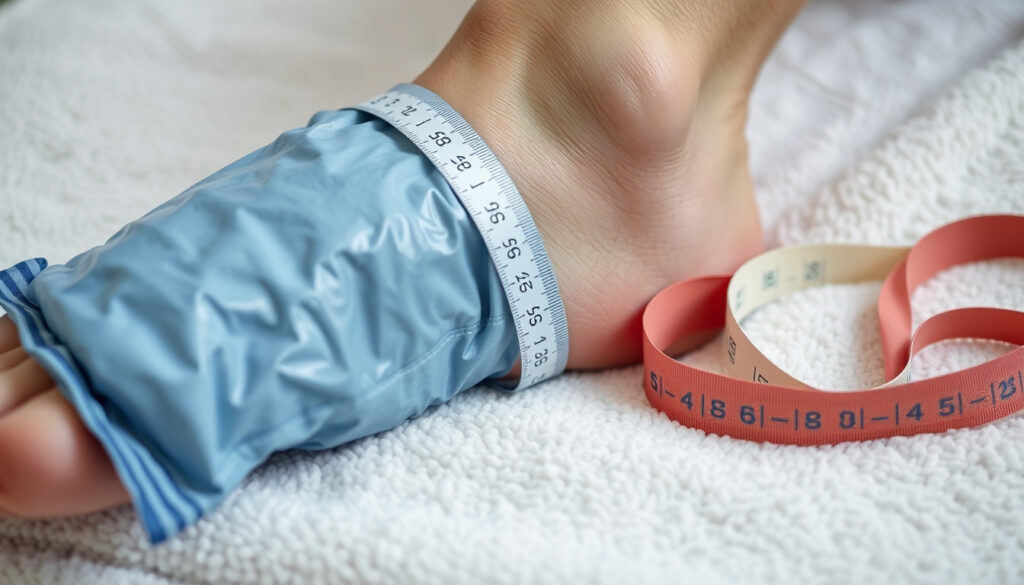
Swollen Ankles – Causes, Relief, and When to Seek Help
Swollen ankles are a common complaint, often dismissed as the result of a long day on the feet. Yet the symptom, medically known as oedema, can sometimes signal a serious underlying problem. This is especially true for older adults and those with diabetes, where persistent or sudden swelling warrants careful attention rather than routine home care.
Fluid collecting in the tissues of the lower legs causes the ankles to puff up. While often benign, the condition can also be a marker of heart, kidney, or circulation issues. Knowing the difference between a temporary nuisance and a warning sign is essential for making safe, timely decisions about your health.
How to Get Rid of Swollen Ankles Fast
When swelling is mild and temporary, several generally safe measures can provide relief. These actions are most effective when the cause is simple, such as prolonged sitting or a salty meal, rather than a medical condition.
Edema, pregnancy, diabetes, injury, prolonged standing, heart/kidney/liver conditions
Elevation, compression socks, hydration, low-salt diet, gentle movement
Sudden swelling, pain, redness, shortness of breath, only one ankle swollen – seek medical help
Elderly, pregnant women, people with diabetes, heart disease, or kidney issues
Key Insights on Swollen Ankles
- Swollen ankles are often due to fluid retention (edema) and can be managed with lifestyle changes.
- Immediate danger signs include unilateral swelling, chest pain, or difficulty breathing – may indicate DVT or heart failure.
- Diabetes can cause swollen ankles due to neuropathy, poor circulation, or medication side effects.
- Elderly individuals are at higher risk and may need tailored prevention strategies.
- Hydration and reducing sodium intake are natural ways to help reduce swelling.
- Persistent swelling needs medical assessment rather than repeated home treatment.
- Do not start water tablets or compression stockings without medical advice.
Key Facts About Swollen Ankles
| Fact | Detail |
|---|---|
| Prevalence | Swollen ankles affect up to 30% of adults at some point. |
| Bilateral vs. Unilateral | Bilateral swelling is often benign, but unilateral swelling requires urgent evaluation. |
| Compression Therapy | Compression stockings can reduce swelling by up to 50% in some cases. |
| Pregnancy | Pregnant women commonly experience ankle swelling, especially in the third trimester. |
| NHS Guidance | NHS recommends seeing a GP if swelling persists for more than a few days or is accompanied by pain. |
| Diabetes Risk | Swelling or any change in a diabetic foot warrants prompt medical attention. |
| Pulmonary Embolism | A clot can travel to the lungs and cause a life-threatening pulmonary embolism. |
Are Swollen Feet Dangerous?
Most of the time, swollen ankles are not an emergency. However, certain situations demand urgent medical help. The key is to watch for accompanying symptoms that suggest a more serious condition.
Swelling in a single leg, especially when painful, warm, or red, can indicate a blood clot. Swelling that appears suddenly, is severe, or worsens rapidly also requires prompt attention. In people with diabetes, any new swelling in the foot or ankle is a reason to seek medical advice without delay.
For an elderly person with diabetes, same-day advice from a GP, NHS 111, or an urgent diabetic-foot service is appropriate rather than waiting several days, particularly if the swelling is new or associated with pain, warmth, redness, a wound, or poor general health.
Swollen Ankles in Elderly Woman: Is It an Emergency?
Older adults are more likely to have underlying health conditions that contribute to swelling. Heart failure, kidney disease, and chronic venous insufficiency are common culprits. The risk of complications is also higher, so a lower threshold for seeking help is sensible.
A sudden change in mobility, increased breathlessness, or swelling that does not improve with elevation should not be ignored. For an older person, a fall or reduced activity due to heavy, uncomfortable legs can quickly lead to further health problems.
What Causes Swollen Ankles?
Swelling occurs when fluid builds up in the spaces between tissues. This process, called oedema, has many possible triggers. Some are as simple as a salty meal, while others point to significant organ dysfunction.
The NHS lists several common causes, including sitting or standing for long periods, long journeys, or high salt intake. Chronic venous insufficiency, where veins struggle to return blood from the legs, is another frequent cause, particularly in older adults.
Swollen Ankles Diabetes: Why Does It Happen?
Diabetes can lead to swollen ankles through several mechanisms. Nerve damage, known as neuropathy, can reduce sensation and fluid clearance. Poor circulation makes it harder for the body to move fluid away from the extremities. Additionally, certain diabetes medications can promote fluid retention.
Inspect diabetic feet carefully for cuts, blisters, ulcers, colour changes, warmth, or discharge. Do not walk barefoot. Any foot wound, spreading redness, pus, fever, numbness, blue or black skin, or rapidly changing colour—especially with diabetes—requires urgent medical care.
What Is Edema and How Does It Relate?
Oedema is the medical term for swelling caused by fluid trapping in body tissues. It most often affects the feet, ankles, and lower legs. While it can be a temporary response to heat or inactivity, persistent oedema can signal problems with the heart, kidneys, or liver, as noted by MedlinePlus.
What Treatments Are Recommended for Swollen Ankles?
Treatment for swollen ankles depends entirely on the underlying cause. Mild, temporary swelling may respond to lifestyle adjustments. More stubborn or serious cases require medical diagnosis and targeted therapy.
Home measures such as elevation and gentle movement can help. Raising the legs on pillows or a footstool, and regular muscle movement to improve blood flow, are first-line approaches for simple oedema.
Fast, Generally Safe Measures for Mild Swelling
- Raise the legs on pillows or a footstool; when lying down, elevating them above heart level may help.
- Walk gently or perform ankle pumps, unless movement causes significant pain.
- Avoid sitting or standing still for long periods and take movement breaks during travel.
- Reduce excess salt and avoid tight socks, shoes, or clothing.
Drinking water is best for reducing swelling; herbal teas like dandelion or green tea may have mild diuretic effects. Avoid alcohol and sugary drinks. Reducing sodium intake is a natural way to help reduce swelling.
What an NHS Clinician May Do
A medical assessment may include examining both legs and the feet, checking circulation, reviewing medicines, measuring blood pressure, and ordering blood or urine tests. Depending on the suspected cause, clinicians may arrange heart, kidney, liver, or vein investigations. Treatment is cause-specific and may include treating infection or a clot, adjusting medicines, managing heart or kidney disease, or using compression only when appropriate.
How to Manage Swollen Ankles in Elderly Individuals
Managing swelling in older adults requires a careful approach. The cause is often multi-factorial, involving age-related changes in circulation, medication side effects, and possibly chronic disease. Medication side effects are a particular concern, as some drugs commonly used by older adults can promote fluid retention.
Gentle exercise, proper footwear, and careful skin inspection are important preventive measures. The American Academy of Dermatology emphasises checking for cuts, blisters, or colour changes, especially in diabetic feet.
Any new swelling in an elderly person, especially if it is one-sided or accompanied by pain, redness, or breathlessness, should be evaluated promptly. Waiting for several days is not advisable when danger signs are present. Consider reading our guide on Shoes Insoles – UK Guide for Walking and Flat Feet for foot care and support options that may help with comfort and circulation.
Typical Progression and When to Act
- Day 1: Mild swelling after a long day – elevate and rest.
- Day 2-3: Swelling persists – try compression and hydration, but continue monitoring.
- Week 1: Swelling does not improve or worsens – consult a GP.
- Immediate emergency: Sudden swelling in one leg, chest pain, or breathlessness – call 999/911.
When You Can Be Sure vs. When to Be Cautious
| Established Information | Information That Remains Unclear |
|---|---|
| Elevation, compression, and hydration reduce most benign edema. | The exact cause of chronic swollen ankles without other symptoms may require medical tests. |
| Sudden, painful, or unilateral swelling needs urgent evaluation. | ‘Natural’ remedies like drinking certain teas have limited scientific backing. |
| People with diabetes or heart disease should always consult a doctor. | Whether swelling is due to a medicine or a new condition needs a clinical review. |
Why Understanding Swollen Ankles Matters
Swollen ankles are a common symptom with a wide range of potential causes, from benign fluid retention to serious conditions like congestive heart failure or deep vein thrombosis. Providing clear, evidence-based guidance helps people triage their symptoms and take appropriate action. For a broader look at foot health, you might find our Gripe Water – Complete Safety and Effectiveness Guide useful for understanding how another common health issue is evaluated.
Trusted Sources and Expert Guidance
Seek urgent GP assessment or contact NHS 111 if the swelling is severe, painful, sudden, worsening, red, or hot.
NHS Guidance on Oedema
Call 999 immediately for ankle or leg swelling accompanied by chest pain, severe breathlessness, coughing blood, fainting, or sudden collapse; a clot can travel to the lungs and cause a life-threatening pulmonary embolism.
Verywell Health
Summary: Key Takeaways for Managing Swollen Ankles
Swollen ankles are frequently benign, but they deserve attention. Elevation, hydration, and reducing salt can help with mild cases. However, sudden swelling, swelling in one leg only, or swelling in a person with diabetes or heart disease should be evaluated by a healthcare professional without delay.
Frequently Asked Questions
What to drink to reduce swelling in feet?
Water is best; herbal teas like dandelion or green tea may have mild diuretic effects. Avoid alcohol and sugary drinks.
Treatment for swelling in legs and feet?
Medical treatments include diuretics (prescribed), compression therapy, and elevating legs. Underlying causes must be addressed.
Swollen ankles nhs – what does the NHS say?
The NHS advises seeing a GP if swelling persists, especially with other symptoms like breathlessness or pain. They recommend elevation, exercise, and reducing salt.
Swollen ankles in elderly woman – any special care?
Elderly individuals should be monitored for mobility issues and underlying conditions like heart failure. Gentle exercise and wearing proper footwear help.
Can swollen ankles be a sign of kidney disease?
Yes, kidney disease can cause fluid retention leading to ankle swelling. Other signs include foamy urine and fatigue.
Is it safe to use compression stockings without a prescription?
No. Do not start compression stockings without medical advice—especially if the cause is unknown or circulation is poor.
How long does it take for swollen ankles to go down?
Mild swelling may resolve within a day with elevation and rest. If it persists for more than a few days, consult a GP.
Can pregnancy cause swollen ankles?
Yes, pregnant women commonly experience ankle swelling, especially in the third trimester. Sudden or severe swelling should be reported to a doctor.
More related posts
 Special Delivery Royal Mail – Price Guide, Tracking & Times
 Teddy Sheringham – Career, Net Worth, Wife and Trophies in 2026
 Pope Leo XIV – Biography, Election and Historic First American Pope
 Harry Cooksley – Footballer, Love Island Star and Everything You Need to Know
 Priyanka Chopra – Biography, Age, Family, and Net Worth
 Olivia Bowen – Age, Love Island, Husband, and Children
 Harry Kane – Biography, stats, and personal life for 2025
 Fashion Nova – Owner, Sizing, Returns & Controversies
