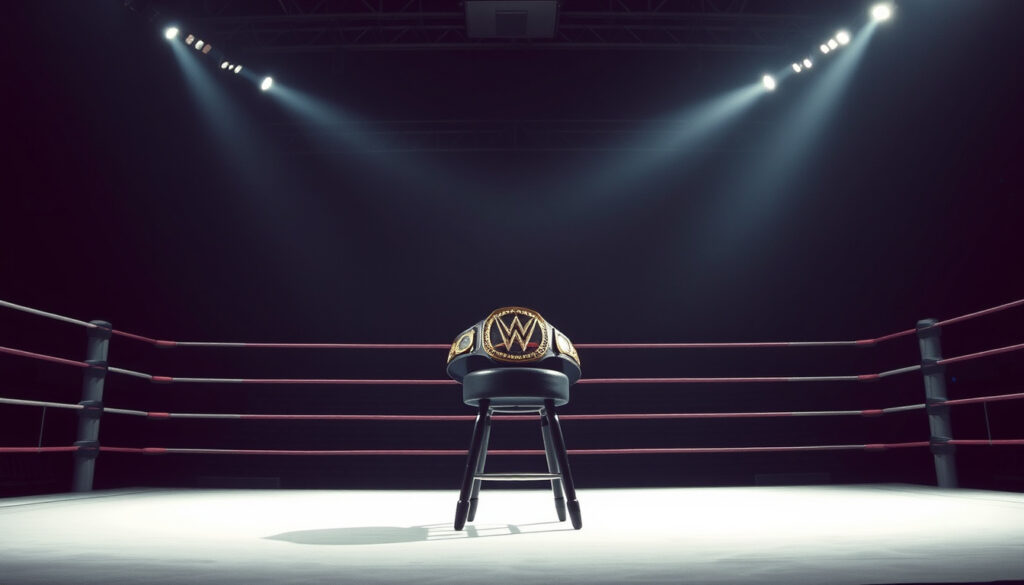
Ultimate Warrior – Cause of Death, Career, and Legacy
The Ultimate Warrior was the ring name of American professional wrestler James Brian Hellwig, one of the biggest WWF/WWE stars of the late 1980s and early 1990s. He was known for his painted face, tasselled gear, explosive energy, intense promos, and the sprinting entrance that became his signature. He died on April 8, 2014, at the age of 54, one day after his final public appearance on Monday Night Raw.
Behind the face paint stood a performer who reached the top of his industry in a remarkably short time. In April 1990, he defeated Hulk Hogan at WrestleMania VI to win the WWF Championship while still holding the Intercontinental Championship — a feat no one in the company had accomplished before.
His story includes one of wrestling’s most famous entrances, a historic title victory over Hulk Hogan, and a wave of merchandise that still attracts collectors. It also includes a sudden death that made news around the world and left questions that fans still ask today.
What Was the Ultimate Warrior’s Cause of Death?
The Ultimate Warrior died of a heart attack caused by severe coronary artery disease. An autopsy reportedly found extensive arteriosclerotic plaque throughout the arteries of his body, according to Villages-News.
He died in Scottsdale, Arizona, on . The death came one day after his final Monday Night Raw appearance and only days after his WWE Hall of Fame induction and WrestleMania weekend. WWE’s initial public statement announced his death but did not immediately specify the cause, as SBS News reported at the time.
- Real name: James Brian Hellwig
- Born: — Died: (age 54)
- Height: 6 ft 2 in (about 188–191 cm, depending on the source)
- Cause of death: heart attack (acute myocardial infarction) due to severe coronary artery disease
- The Ultimate Warrior died of a heart attack caused by longstanding heart disease, confirmed by autopsy-based reporting.
- His persona was one of the most energetic and colorful in late-1980s and early-1990s wrestling.
- His WrestleMania VI victory over Hulk Hogan in 1990 remains the defining moment of his career.
- He was the first wrestler to hold the WWF Championship and Intercontinental Championship at the same time.
- His real name was James Brian Hellwig, and he legally changed his name to Warrior in 1993.
- The sprinting, rope-shaking entrance became one of wrestling’s most recognizable spectacles.
- Merchandise from his peak years, including action figures, has become collectible.
| Category | Detail |
|---|---|
| Real name | James Brian Hellwig |
| Ring names | The Ultimate Warrior; The Blade Runner (early career); Warrior (WCW) |
| Born | June 16, 1959, Crawfordsville, Indiana, USA (one source lists Montreal, Canada) |
| Died | April 8, 2014, Scottsdale, Arizona, USA |
| Cause of death | Acute myocardial infarction (heart attack) due to atherosclerotic coronary artery disease |
| Height | 6 ft 2 in (1.88 m) |
| Weight | 280 lb (127 kg) |
| Billed from | Parts Unknown |
| Debut | Mid-1980s (Powerteam USA); professional debut in 1986 in World Class Championship Wrestling |
| Last regular WWF run | 1996, with a one-night return in 2008 |
| Hall of Fame | WWE Hall of Fame, inducted in 2014 |
What Were the Ultimate Warrior’s Career Highlights?
The defining match of his career took place on , at Toronto’s SkyDome. Billed as “The Ultimate Challenge,” the bout put Hulk Hogan’s WWF Championship and Warrior’s Intercontinental Championship on the line. Warrior defeated Hogan and became WWF Champion while retaining the Intercontinental Championship, making him the first wrestler in WWF history to hold both major singles titles at the same time. The attendance was reported as 67,678 by ABC7 News.
Hulk Hogan was widely described as Warrior’s most important opponent. In its obituary coverage, The Sydney Morning Herald placed the rivalry at the center of his career. Warrior’s championship résumé includes two reigns as WWF Intercontinental Champion and one reign as WWF Champion.
Warrior joined the World Wrestling Federation in 1987, where his character was renamed the Ultimate Warrior, as documented in his biographical entry on Wikipedia. He left under contentious circumstances in the early 1990s; a pay dispute led to his suspension in August 1991. He returned briefly, but his relationship with the company ended completely by 1996, as recalled in a eulogy published by POW Magazine.
What Were the Ultimate Warrior’s Best Matches?
Several matches defined his run at the top of the WWF.
- WrestleMania VI (1990) vs. Hulk Hogan — “The Ultimate Challenge”; Warrior won the WWF Championship in a title-vs-title match.
- SummerSlam 1988 vs. The Honky Tonk Man — Warrior won the Intercontinental Championship at the first SummerSlam.
- SummerSlam 1989 vs. Rick Rude — Warrior regained the Intercontinental Championship.
- WrestleMania VII (1991) vs. Randy Savage — Warrior won a retirement match.
His other prominent opponents included Sgt. Slaughter, André the Giant, and Papa Shango. Warrior later lost the WWF Championship to Sgt. Slaughter at the 1991 Royal Rumble, with interference from Randy “Macho King” Savage contributing to the defeat.
When Was the Ultimate Warrior’s Last Match?
The answer depends on which definition of “last match” is used. His final WWF in-ring match is generally considered a 1996 encounter with Hunter Hearst Helmsley, before his permanent break with the company. In 2008, however, he returned to wrestling for one night in Barcelona, defeating Orlando Jordan for the Italian-based Nu-Wrestling Evolution. That 2008 bout is his final known professional wrestling match.
The last WWF match (1996, against Hunter Hearst Helmsley), the last professional match (2008, against Orlando Jordan in Barcelona), and the final public appearance (Monday Night Raw on April 7, 2014) are three distinct events in Warrior’s history.
What Was the Ultimate Warrior’s Real Name and Height?
What Was His Real Name?
The Ultimate Warrior was born James Brian Hellwig on . Sources differ on his birthplace: it is most commonly listed as Crawfordsville, Indiana, while another biographical account cites Montreal, Canada. Before wrestling, he competed in bodybuilding and worked under names including Jim “Justice” Hellwig, as noted in his Spanish-language Wikipedia biography.
He began wrestling in the mid-1980s with the Powerteam USA group and debuted professionally in 1986 in World Class Championship Wrestling, initially working for roughly $50 per night. In 1993, he legally changed his name to Warrior, according to Spanish Wikipedia’s coverage of his career.
How Tall Was the Ultimate Warrior?
Warrior was commonly listed at 6 ft 2 in. Sources convert that height to approximately 1.88 m, with some rounding it to about 191 cm. His billed weight during his WWF peak was around 280 lb (127 kg).
What Was the Ultimate Warrior’s Signature Entrance?
Few wrestling entrances have been as recognizable. The Ultimate Warrior sprinted to the ring at full speed, burst through the ropes, and violently shook the ring ropes while wearing colorful face paint and tasselled gear.
What Made His Entrance Unique?
The physical intensity was matched by an unusual verbal style. His promos were famous for rapid, highly emotional, often surreal speech, which became a defining feature of the character. The combination of the sprint, the rope shaking, and the delivery made each appearance feel like an event.
His best-known in-ring moves included the Warrior Splash, the Gorilla Press Slam, and a running shoulder block. The rope-shaking entrance ritual is itself often listed among his signature moves.
The face paint and tassels were only part of the effect. Warrior’s sprinting entrance and frantic promos worked together to create a persona that fans immediately recognized.
What Ultimate Warrior Toys Are Available?
The Ultimate Warrior was heavily marketed during the height of his WWF popularity. His merchandise included WWF action figures, Titan Sports and Hasbro wrestling figures, Bend-ems and other toy-line figures, wrestling buddy dolls, plush-style merchandise, trading cards, posters, shirts, masks, and video-game appearances.
What Ultimate Warrior Action Figures Were Released?
His action figures typically emphasized the visual elements that made the character distinctive: brightly colored face paint, long hair, tasselled arms and boots, and a muscular physique. Later WWE Mattel-era figures recreated different periods of his career, including his classic 1980s and early-1990s appearance, his WrestleMania VI look, and his Hall of Fame-era return.
These toys have become collectibles. Their value varies by manufacturer, condition, packaging, rarity, and whether the figure was an exclusive release.
What Was the Ultimate Warrior’s Career Timeline?
- — James Brian Hellwig is born in Crawfordsville, Indiana, according to most sources.
- 1985–1986 — He begins wrestling with the Powerteam USA group and debuts professionally in World Class Championship Wrestling.
- — He joins the World Wrestling Federation, where the character is renamed the Ultimate Warrior.
- — He wins the Intercontinental Championship from The Honky Tonk Man at the first SummerSlam.
- — He defeats Hulk Hogan at WrestleMania VI and becomes WWF Champion.
- — He loses the WWF Championship to Sgt. Slaughter at the Royal Rumble and is later suspended amid a pay dispute.
- — He wrestles his final WWF match, against Hunter Hearst Helmsley, before his break with the company becomes permanent.
- — He returns for a one-night match in Barcelona, defeating Orlando Jordan for Nu-Wrestling Evolution.
- April 5–7, 2014 — He is inducted into the WWE Hall of Fame, appears at WrestleMania XXX, and delivers his final speech on Monday Night Raw.
- — He dies of a heart attack in Scottsdale, Arizona, at age 54.
What Is Known and What Remains Unclear About the Ultimate Warrior?
Most facts about his career and death are well documented. A few points, however, involve conflicting reports or unverified claims.
| Established information | Information that remains unclear |
|---|---|
| The official cause of death was a heart attack caused by severe coronary artery disease. | Some online speculation linked his death to steroids or drug use; reports based on the autopsy found no evidence of that. |
| He died on April 8, 2014, one day after his final Monday Night Raw appearance. | Details of his personal life after wrestling are less publicly documented. |
| His birth name was James Brian Hellwig. | Sources disagree on his birthplace: most cite Crawfordsville, Indiana, while one account lists Montreal, Canada. |
| He was billed at 6 ft 2 in during his career. | Converted measurements vary between roughly 1.88 m and about 191 cm, depending on the source. |
Why Does the Ultimate Warrior Still Matter in Wrestling History?
Warrior’s gimmick — a hyper-energetic, colorful character — resonated strongly with young fans during the late-1980s wrestling boom. His WrestleMania VI victory over Hulk Hogan is widely viewed as a passing-of-the-torch moment from the industry’s biggest star to a new headliner.
His death came just days after his WWE Hall of Fame induction, adding a tragic dimension to his legacy. The 2014 ceremony placed him among the WWE Hall of Fame inductees, and his final public speech on Monday Night Raw aired the night before he died.
What Have Official Sources Said About the Ultimate Warrior?
Official tributes published around his death captured the tone of his career and the circumstances of his passing.
The Ultimate Warrior was one of the most intense and charismatic performers in WWE history.
WWE.com tribute
Warrior’s cause of death was a heart attack, according to the Maricopa County Medical Examiner’s Office.
Associated Press via Today.com
The Ultimate Warrior will always be remembered for his high-energy entrances and larger-than-life personality.
WWE Hall of Fame induction speech
What Is the Ultimate Warrior’s Lasting Legacy?
The Ultimate Warrior’s legacy rests on a short but highly influential peak: a spectacular entrance, an instantly recognizable visual character, the historic WrestleMania VI victory over Hulk Hogan, two Intercontinental Championship reigns, and a WWF Championship reign that made him a defining star of wrestling’s late-1980s boom. His sudden death at 54, days after his final WWE appearances, also places him among the Famous wrestlers who died young.
Common Questions About the Ultimate Warrior
How old was the Ultimate Warrior when he died?
He was 54. He was born on June 16, 1959, and died on April 8, 2014.
Did the Ultimate Warrior ever win the WWE Championship?
Yes. He won the WWF Championship once, defeating Hulk Hogan at WrestleMania VI in 1990.
How many times did the Ultimate Warrior hold the Intercontinental Championship?
Twice. He won the title from The Honky Tonk Man at SummerSlam 1988 and regained it from Rick Rude at SummerSlam 1989.
What was the Ultimate Warrior’s finishing move?
His best-known finisher was the Warrior Splash, a running splash. He also used the Gorilla Press Slam.
Who was the Ultimate Warrior’s final WWE opponent?
Hunter Hearst Helmsley. Their 1996 match is generally considered his last in-ring appearance for the WWF.
Where can I buy an Ultimate Warrior action figure?
Ultimate Warrior action figures have been released by Mattel’s WWE Elite series and other toy lines. They are commonly available through Amazon, eBay, and specialty collectible stores.
More related posts
 Ivan Terrible – Life, Reign and Legacy of Russia’s First Tsar
 Fashion Nova – Owner, Sizing, Returns & Controversies
 Georgia Jay – Emmerdale Actress Real Name Twin Baby
 Evangelos Marinakis – Biography, Net Worth and Club Ownership
 Andrey Smaev – Age, Height, Weight, and Strength Records
 Nicole Da Silva – Age, Partner, Career and Personal Life
 Julie Goodyear – Husband Shares Rare Photo as Dementia Progresses
 Terence Stamp – Dies at 87, Life, Movies and Legacy
