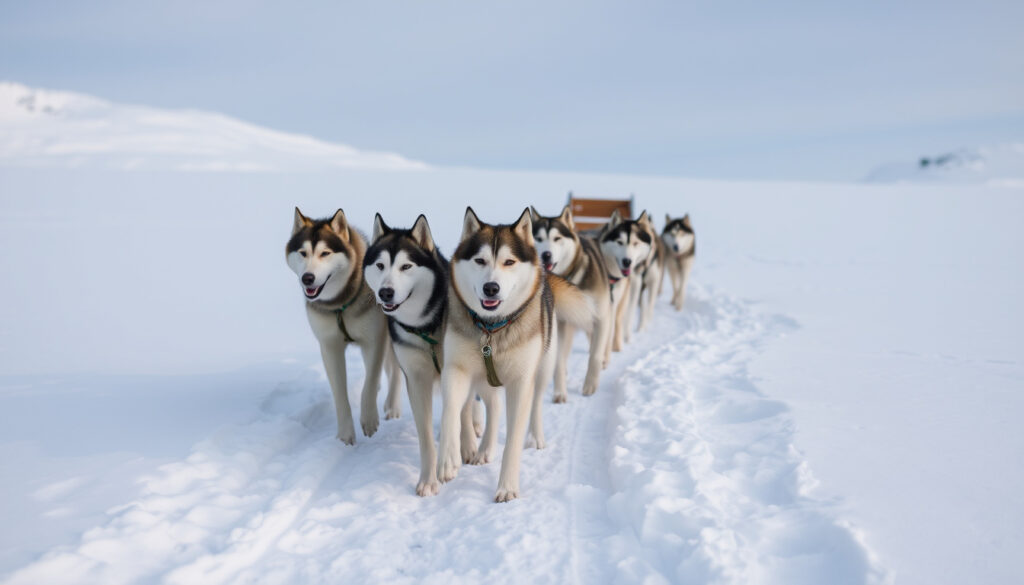
Alaskan Malamute – Complete Breed Guide for Owners
The Alaskan Malamute is a large, powerful Arctic working dog originally bred by the Mahlemut people of northwestern Alaska to haul heavy freight over long distances. This breed is known for its affectionate, family-oriented nature, but it also carries an independent, strong-willed, and high-energy temperament that demands consistent training, substantial exercise, and a dedicated owner. While often compared to the Siberian Husky, the Malamute is a distinct breed with a unique history and set of care requirements.
Prospective owners should know that the Alaskan Malamute is not a low-maintenance companion. Its thick double coat requires regular grooming, its intelligence needs mental stimulation, and its strength requires secure containment. This guide draws on breed standards, veterinary resources, and historical records to provide a comprehensive overview of the breed’s size, temperament, coat colors, health concerns, and care needs.
Whether you are comparing the Malamute to other sled dogs or evaluating its suitability for your home, all facts below are sourced from established registries, academic databases, and breed-specific organizations.
What Is the Difference Between an Alaskan Malamute and a Siberian Husky?
Large; 23–25 inches tall; 75–85 lbs (male), 65–75 lbs (female)
Affectionate, loyal, but willful; requires firm training
10–14 years
Thick double coat; heavy shedder seasonally, moderate year-round
- Alaskan Malamutes are not the same as Siberian Huskies; key differences include size, stamina, and coat type.
- Despite a wolf-like appearance, they are domesticated dogs with an ancient history beside the Mahlemut people.
- Color variations like merle are controversial due to associated health issues; the AKC does not recognize merle.
- “Giant” Malamutes are not a separate breed; the term refers to lines bred for larger size, sometimes outside the standard.
- Malamutes need substantial daily exercise and mental stimulation; they are not couch potatoes.
- Early socialization and consistent, patient training are essential to manage their independent nature.
| Characteristic | Detail |
|---|---|
| AKC Group | Working |
| Height (Male) | 25–26 inches (63.5–66 cm) |
| Height (Female) | 23–24 inches (58.5–61 cm) |
| Weight (Male) | 85 lbs (38.5 kg) typical |
| Weight (Female) | 75 lbs (34 kg) typical |
| Coat | Thick double coat, coarse guard hair with woolly undercoat |
| Colors | White, black, gray, sable, red (brown), or combination. Merle not AKC standard. |
| Life Expectancy | 12–14 years |
| Litter Size | 4–8 puppies |
| Temperament | Friendly, loyal, intelligent, stubborn, independent |
The Malamute was bred for hauling heavy freight and demonstrating strength and endurance, while the Siberian Husky was developed for pulling lighter loads over longer distances at speed. This difference in original purpose is reflected in their builds: the Malamute is larger, heavier, and more heavily boned—about 23–25 inches and 75–85 pounds in the standard—whereas the Husky usually weighs 45–60 pounds and has a leaner, more athletic frame. Personality also differs: the Malamute tends to be steady, pack-oriented, and strong-willed, while the Husky is often more energetic, mischievous, and vocal. Both breeds shed heavily and blow their undercoats about twice a year, and both require secure containment and early socialization. Source: Wikipedia – Alaskan Malamute and World Animal Foundation.
What Is the Temperament of an Alaskan Malamute?
General Disposition
Alaskan Malamutes are generally affectionate, loyal, playful, and people-oriented. They want to participate in family life rather than remain isolated outdoors. Their friendliness, however, does not mean they are easygoing in every setting: they can be independent, test boundaries, and may be resistant to repetitive obedience work.
The breed’s powerful pulling instinct and potential for same-sex dog aggression can be managed with early, consistent socialization from puppyhood. Exposure to people, other dogs, handling, grooming, and various household environments is essential. Source: World Animal Foundation.
Interaction with Children and Pets
When properly trained and supervised, Malamutes can be excellent family companions. They are generally not aggressive toward people but may show intolerance toward unfamiliar dogs or dogs of the same sex. Their high prey drive can make coexistence with cats, small animals, or livestock difficult without careful introduction and management. Source: World Animal Rescue Network.
Trainability and Intelligence
Malamutes are intelligent and capable of learning a wide range of commands, yet they are also independent and stubborn. Positive reinforcement methods work best, and owners must be prepared to invest time in training throughout the dog’s life. The breed is not suited for owners seeking a highly obedient, low-maintenance dog.
Common Behavioral Traits
- Powerful pullers; require consistent leash training.
- May howl, “talk,” dig, chew, counter-surf, or attempt to escape when bored.
- Naturally suspicious of strange dogs without socialization.
- Strong prey drive makes them a risk to small pets.
- Size and strength mean poor training or inadequate containment can lead to serious problems.
How Big and Heavy Does an Alaskan Malamute Get?
Standard Male and Female Dimensions
The AKC standard’s preferred size is approximately 25 inches and 85 pounds for males and 23 inches and 75 pounds for females. Common adult ranges across the breed show males around 25 inches tall and about 85 pounds, females about 23 inches and 75 pounds. Broader real-world weight variation spans roughly 61–105 pounds, depending on sex, lineage, conditioning, and individual structure. Source: Wikipedia – Alaskan Malamute and Adopt a Pet.
Giant Alaskan Malamute: Real or Myth?
The term “Giant Malamute” is not an official breed designation. Some breeders select for larger individuals that may exceed 90 or even 100 pounds. However, unusually heavy dogs are not automatically better representatives of the breed. Excess weight can increase stress on the hips, elbows, joints, and heart. Responsible breeding prioritizes sound structure, health, and working ability over extreme size.
Dogs bred for extreme size outside the standard may face elevated risks of hip dysplasia, elbow disease, and joint strain. The AKC breed standard does not recognize a “giant” category, and prospective owners should be cautious of breeders promoting oversize animals without health clearances. Source: Orthopedic Foundation for Animals.
Growth Timeline for Puppies
Malamute puppies grow steadily but should not be forced into high-impact running, repetitive jumping, or heavy pulling while their bones and joints are developing. Most reach their full height by around 12–18 months, with weight and muscle mass filling out until about two to three years of age. Exercise should increase gradually, with veterinary guidance for growing dogs.
What Colors Do Alaskan Malamutes Come In?
Standard AKC Accepted Colors
Recognized Malamute colors include gray and white, black and white, red and white, sable and white, seal and white, silver and white, agouti and white, blue and white, and solid white. White commonly appears on the underside, legs, feet, face, chest, and tail markings. Many dogs have a facial cap, mask, bar, or blaze, while others have predominantly white faces. Source: WebMD Pet Guide.
Brown and Sable Coats Explained
Red and sable are often what people refer to as “brown” Malamutes. Sable is a dark, rich shade with black tipping on a red-based coat. These colors are accepted by the AKC as long as they are combined with white markings in the standard pattern.
The Merle Controversy and Health Risks
Merle coloration in Malamutes occurs due to a genetic mutation that can cause health problems including deafness and eye defects. The AKC does not accept merle in the breed standard, and most reputable breeders avoid it. Merle Malamutes are sometimes marketed as rare, but the associated health risks and ethical concerns mean they should be avoided by those seeking a healthy, breed-standard dog.
Be cautious of breeders advertising “rare” colors like merle or “giant” sizes. Responsible breeders prioritize health, temperament, and adherence to the AKC standard. Always ask for health clearances and genetic testing results. Source: American Kennel Club.
What Is the History of the Alaskan Malamute?
- ~4000 years ago: Domestication of wolf-dogs that accompanied humans across Beringia, laying the foundation for Arctic sled dog types.
- Pre-1800s: The Mahlemiut Inupiat people of northwestern Alaska used these dogs as working sled dogs for hauling heavy freight.
- 1896: First recorded appearance in U.S. dog shows during the Klondike Gold Rush era, when outsiders encountered the breed.
- 1935: The American Kennel Club (AKC) officially recognizes the Alaskan Malamute as a distinct breed.
- 1970s–present: Popularity grows as a family pet, though the working instinct remains strong. The breed becomes more common outside Alaska.
- 2025: Modern debates continue on ethical breeding, especially regarding merle color and temperaments suitable for non-working homes.
The breed’s name is derived from the Mahlemut people. The correct pronunciation is “AL-uh-skan MAL-uh-myoot” (/ˈmæləˌmjuːt/). Despite their wolf-like appearance, Malamutes are not recent wolf hybrids; they are domesticated dogs with a long history of human companionship. Source: Wikipedia – Alaskan Malamute and The Kennel Club (UK).
Are Alaskan Malamutes Part Wolf? And Other Common Misconceptions
| Claim | Status |
|---|---|
| Alaskan Malamutes are part wolf. | False – They descended from ancient wolf-like dogs but are not recent wolf hybrids. This is a persistent myth with no scientific backing. |
| Giant Alaskan Malamutes are a separate breed. | False – There is no AKC-recognized “giant” sub-breed. Larger individuals may exceed the standard but remain Alaskan Malamutes. |
| Merle Malamutes are rare and desirable. | Partially true, but controversial – Merle is rare because it is undesirable to responsible breeders; it comes with health risks (deafness, eye defects) and is not accepted in the AKC standard. |
| Alaskan Malamutes are aggressive. | False overall – They are generally not aggressive toward people but can be dominant with other dogs if not properly socialized. |
| Alaskan Malamutes need a raw diet. | Uncertain – While many owners feed raw, there is no scientific consensus; consult a veterinarian for a balanced diet. |
| Malamutes are low-shedding and easy to groom. | False – They shed heavily and require regular brushing, with intensive grooming during seasonal coat blows. |
What Should You Know About Living with an Alaskan Malamute?
Living with an Alaskan Malamute means committing to at least one to two hours of vigorous daily activity, including walks, hikes, or structured pulling sports. Without enough exercise, the breed can become destructive, digging, chewing, or attempting to escape. Training requires patience; their stubborn nature responds best to positive reinforcement and consistency. Early socialization is essential to prevent dog-selective aggression.
The Malamute’s thick double coat provides insulation in cold climates, but they can adapt to warmer areas with air conditioning and limited outdoor activity in high heat. Apartments are not ideal; a secure yard with high fencing is recommended. Health watch items include hip dysplasia, bloat, cataracts, and hypothyroidism. Avoid overfeeding to prevent obesity and joint strain. For those seeking structured guidance in any training-related skill, consider consulting resources like Face Painting – Step-by-Step Guide for Beginners for the principle of breaking down complex tasks, though it is not dog-specific.
Ethical breeding is a key consideration. Avoid breeders promoting merle or “giant” lines without health clearances. Responsible breeders prioritize structure, health, and working ability. The breed is best suited for experienced owners who can provide daily exercise, training, secure space, grooming, and companionship. It is not ideal for those seeking a low-maintenance, highly obedient, low-shedding, or apartment-friendly dog.
Where Do These Facts About Alaskan Malamutes Come From?
The information in this guide is drawn from multiple authoritative sources, including the official breed standard, veterinary research databases, and historical records. Key sources are listed below.
“The Alaskan Malamute Club of America specifically warns that Furminator-type tools can cut guard hairs.”
Alaskan Malamute Club of America, via alaskanmalamute.org
“The Malamute is a large, powerful Arctic working dog bred by the Mahlemut—an Inupiaq people of northwestern Alaska—to haul heavy freight.”
BetterPet.com, Alaskan Malamute breed page
- American Kennel Club – Breed Standard
- Wikipedia – Alaskan Malamute (History & Description)
- The Kennel Club (UK) – Breed Standard
- PetMD – Health Overview
- Orthopedic Foundation for Animals – Health Statistics
Is an Alaskan Malamute the Right Dog for You?
The Alaskan Malamute is a loyal, intelligent, and powerful companion for owners who can meet its substantial exercise, training, and grooming needs. It is not a dog for beginners or those with limited time or space. If you are willing to invest in consistent training, secure containment, and daily physical and mental stimulation, the Malamute can be a rewarding family member. For further reading on step-by-step approaches to skills, see Cute Drawings – Easy Step-by-Step Ideas for Beginners.
Frequently Asked Questions About Alaskan Malamutes
Are Alaskan Malamutes good with cats?
Generally not recommended without careful introduction; they have a high prey drive that can make cohabitation difficult.
Do Malamutes like water?
Many enjoy water but not all; their thick coat dries slowly, so supervise swimming and avoid prolonged wetness.
How long do Alaskan Malamute puppies need to be fed puppy food?
Until about 12–18 months of age; consult your veterinarian for a feeding schedule tailored to your dog’s growth.
Can Alaskan Malamutes live in hot climates?
They can adapt with air conditioning and limited outdoor activity in extreme heat, but they thrive in cool climates and prefer cold weather.
What is the difference between an Alaskan Malamute and a Malamute?
They are the same; “Alaskan Malamute” is the official breed name. “Malamute” is a commonly used shorthand.
Do Malamutes bark a lot?
They are more inclined to howl and “talk” than bark excessively. Vocalization increases when bored or seeking attention.
How much does a Malamute puppy cost?
Prices vary widely but typically range from $1,000 to $3,000 from reputable breeders. Rescue adoption is also an option.
Are Malamutes good guard dogs?
They are not typically aggressive toward strangers but may alert you to visitors. Their size can be intimidating.
Do Malamutes need a special diet?
No unique diet requirements, but a high-quality, balanced food appropriate for large, active breeds is recommended.
How often do Malamutes shed?
They shed moderately year-round and heavily during seasonal coat blows (usually twice a year). Daily brushing is needed during those periods.
More related posts
 Rae Lil Black – Biography, Real Name, and Career Shift
 Hafthor Bjornsson – Height, Deadlift Record, Wife and Net Worth
 Tanning Shop Near Me – Local Guide to Salons, Prices & Safety
 How to Share Location on WhatsApp – Android iOS Web Guide
 Shane Macgowan – Cause of Death, Net Worth, and Biography
 Bryson Dechambeau – Net Worth, Driver & Career 2025
 Knox Jolie-Pitt – Drops Father’s Name and Turns 18 in 2026
 Josh Groban – Biography, Hit Songs, and Broadway Career
