Taylor Swift Life of a Showgirl Review – Mixed Critical Reception
Taylor Swift’s twelfth studio album has sparked considerable debate among critics and listeners. “The Life of a Showgirl” arrived as a streamlined, pop-oriented companion piece to the sprawling “The Tortured Poets Department,” trading introspective complexity for immediate accessibility. Reviews have painted a picture of an album that succeeds in its catchy ambitions but falters when it comes to lyrical maturity and production innovation.
The project centers heavily on Swift’s relationship with NFL star Travis Kelce, internet culture references, and the theatrical showgirl aesthetic that gives the record its name. Early reception suggests the album divides opinion sharply, with some praising its fun, radio-friendly approach while others find it among her weakest offerings in recent memory.
The release came amid heightened attention on Swift’s career trajectory, following a period of unprecedented cultural dominance. Critics have been particularly interested in how this more concise project compares to its predecessor and what it signals about her creative direction moving forward.
What Are the Key Reviews of Taylor Swift’s “The Life of a Showgirl”?
October 2025
Mixed reception
Kelce relationship, showgirl aesthetic
Visuals outpace sound
The critical landscape for “The Life of a Showgirl” reveals deep polarization across major publications. Rolling Stone offered a notably enthusiastic assessment, awarding the project five stars and highlighting it as exceptional within her discography. Video summaries of their review emphasized the album’s strengths across multiple dimensions.
Not all assessments shared this enthusiasm. The Guardian’s Alexis Petridis assigned just two stars, arguing the record “lacks undeniable hooks and melodies” and appears to have been rushed to completion. This critical perspective pointed to a fundamental disconnect between ambition and execution.
Critical Consensus by Publication
- Style Magazines (Mixed): Acknowledged edgy visuals and standout tracks like “The Fate of Ophelia” while noting the production lacks spark and addictive hooks. Described some lyrical choices as awkward Gen Z slang.
- Belwood Music (Negative): Found vocals lifeless, arrangements bland, and lyrics clunky. Noted the album “tells rather than shows” and creates shallow drama.
- Country Lowdown (Mixed): Praised the fun, pop, feel-good nature alongside tracks such as “The Fate of Ophelia,” “Elizabeth Taylor,” and “Opalite,” while acknowledging it doesn’t initially meet high Swiftie expectations.
- YouTube Review (Negative): Acknowledged the project is poppier and catchier with a shorter runtime addressing TTPD issues, but cited immature content and some of her weakest lyrics ever.
- LA Times (Positive): Recognized strong hooks while observing the album fails to achieve the psychological depth of TTPD.
- NPR (Positive): Described the album as defining her pop presence, though noting awkward innuendo.
- The Atlantic (Negative): Characterized the sound as that of “burnout from overwork.”
Key Insights From Critical Response
- The album trades TTPD’s introspective complexity for immediate pop accessibility
- Visual presentation and production quality remain misaligned for several critics
- Multiple reviewers note improvement after repeat listens, though many tracks still blur together
- The shortened tracklist addresses previous complaints about excessive length
- Lyrical content shows inconsistency, ranging from clever to clunky
- The showgirl aesthetic provides a compelling thematic framework that some feel goes underutilized
- Production choices have drawn comparisons to generic or AI-like qualities
| Source | Rating | Key Strength | Key Weakness |
|---|---|---|---|
| Rolling Stone | 5 stars | Exceptional throughout | N/A |
| The Guardian | 2 stars | N/A | Lacks hooks; feels rushed |
| Style Magazines | Mixed | Edgy visuals | Generic production |
| Belwood Music | Negative | Entertaining moments | Lifeless vocals, clunky lyrics |
| Country Lowdown | Mixed | Fun, catchy tracks | Fails initial expectations |
| YouTube Review | Negative | Shorter, punchier | Immature lyrics |
| LA Times | Positive | Strong hooks | Lacks TTPD depth |
| NPR | Positive | Definitive pop presence | Awkward innuendo |
| The Atlantic | Negative | N/A | Burnout sound |
What Negative Reviews Say About “The Life of a Showgirl”?
The most vocal critics of “The Life of a Showgirl” have centered their concerns on three primary areas: lyrical quality, production choices, and an apparent disconnect between the album’s ambitious visual presentation and its sonic content. These critiques come from diverse sources ranging from specialized music blogs to mainstream cultural publications.
Lyrics and Writing Concerns
Several reviewers have characterized the lyrical content as among Swift’s weakest work. Belwood Music described vocals as “lifeless” and arrangements as “bland,” while noting the project fails to show rather than tell emotional experiences. Their assessment pointed to shallow drama throughout and a tendency to pick fights with unspecified targets while playing the victim.
Style Magazines echoed similar sentiments, characterizing portions of the album as using “awkward Gen Z slang” and “internet-isms” that feel forced rather than organic. Multiple critics noted the lyrics lack the sparkle and innovation fans have come to expect, though some tracks do rise above the general quality.
Production and Sonic Issues
The production approach has drawn particular criticism from those who find it generic or insufficiently distinctive. Some reviewers compared elements of the sound to AI-generated music, suggesting a lack of human creativity and nuance in the arrangement choices. This criticism appears connected to concerns that the album relies too heavily on familiar territory without pushing into new creative spaces.
Several sources note that Swift assembled a reshuffled production team for this project, apparently seeking mass appeal following mixed reception to TTPD. However, this strategic shift has not uniformly satisfied critics who found the resulting sound both too safe and too disconnected from the ambitious visual aesthetic.
Conceptual Disconnect
A recurring theme in negative reviews involves what critics perceive as a fundamental mismatch between the showgirl concept—dramatic, theatrical, glamorous—and the relatively straightforward pop production. The Atlantic’s Spencer Kornhaber characterized the overall effect as the “sound of burnout from overwork,” suggesting the album represents creative exhaustion rather than genuine artistic vision.
What Songs Are on Taylor Swift’s “The Life of a Showgirl”?
While no complete tracklist has been published across all sources, several songs have emerged as consistently highlighted across reviews and critical assessments. These tracks represent the album’s strongest moments according to the consensus among those who have covered the release.
Standout Tracks Praised by Critics
- “The Fate of Ophelia”: The most frequently cited standout, described as catchy, great, and the album’s most popular song. Multiple reviews identify it as the project’s high point and a reason to give the album repeated attention.
- “Father Figure”: Characterized as clever and well-written, this track appears on lists of the album’s best material across several publications.
- “Opalite”: Described as catchy, clever, and with a Christmas-like quality that has made it a favorite for some listeners. Appears on multiple positive lists.
- “Elizabeth Taylor”: Noted as catchy with positive reception, this track represents another accessible moment on an album that prioritizes hooks.
The trimmed-down tracklist represents a deliberate departure from TTPD’s expansive nature. Reviewers note the project prioritizes directness and immediate impact over the more complex narrative architecture of its predecessor, with production emphasizing hooks and pop accessibility.
These highlighted tracks share common characteristics: they tend toward catchy melodies, clear production, and more focused songwriting than some of the album’s less praised material. The contrast with deeper cuts suggests the project works best when it leans into straightforward pop territory rather than attempting more ambitious arrangements.
Sources indicate the album features sparkly, poppier production compared to recent work, with an emphasis on immediate hooks over extended exploration. This approach appears designed to create a more accessible listening experience, though critics differ on whether the execution achieves that goal.
What Is the Rating for “The Life of a Showgirl”?
Ratings for “The Life of a Showgirl” span a remarkably wide spectrum, reflecting the deeply divided critical response. The clearest numerical rating comes from Rolling Stone, which awarded the album five stars in what they characterized as an exceptional review highlighting the project’s strengths.
Rating Distribution Across Publications
At the opposite end of the spectrum, The Guardian’s two-star assessment represents the lowest published rating among major sources. This stark contrast with Rolling Stone’s five-star verdict illustrates the fundamental disagreement about the album’s quality.
Many publications chose not to assign numerical ratings, instead offering qualitative assessments. Style Magazines, Belwood Music, Country Lowdown, and several other outlets provided unrated reviews that mixed praise and criticism without reducing their evaluation to a single number.
As of this writing, no aggregate score has been published on major review aggregation platforms. Those seeking a unified critical consensus may need to wait for Metacritic or similar services to compile available assessments into a single metric.
The spread of responses—from enthusiastic endorsement to dismissive critique—suggests the album’s reception depends significantly on what individual listeners and critics prioritize. Those who value accessibility, pop catchiness, and visual presentation tend toward positive assessments, while those emphasizing lyrical sophistication and production innovation find more to criticize.
Notably, several sources mention that critical consensus improves slightly after multiple listens, though many tracks still blur together for some reviewers. This suggests the album may reward patience, though whether that patience is warranted remains a matter of debate.
Release Timeline and Critical Response
The album’s critical reception unfolded over several weeks following its release, with initial assessments appearing within days and longer-form analyses arriving subsequently. This timeline reflects the typical pattern for major releases, where quick-turn reviews are followed by more considered takes from publications that take additional time to process their response.
- October 4, 2025: Multiple initial reviews publish simultaneously, including assessments from Belwood Music, Style Magazines, and Sputnik Music. These early takes establish the polarized reception that would characterize the album’s critical narrative.
- October 13, 2025: Country Lowdown publishes their review, offering a mixed perspective that acknowledges both the album’s catchy strengths and its failure to meet heightened expectations.
- October 20, 2025: Yale Review contributes a longer analytical piece providing career context and deeper examination of Swift’s artistic trajectory. This type of delayed assessment often signals a publication taking the release seriously enough for extended consideration.
The spread of reviews across this period demonstrates how critical consensus forms gradually rather than instantly. Early reactions, while varied, established the basic parameters of discussion that subsequent reviewers engaged with and expanded upon.
What Is Clear and Unclear About the Album
Critical assessment has established several facts about “The Life of a Showgirl” with reasonable confidence, while other aspects remain genuinely uncertain or disputed among reviewers and commentators.
| Established Information | Uncertain or Disputed |
|---|---|
| Album released October 2025 as Swift’s 12th studio album | No published aggregate Metacritic score |
| Positive critical voices exist (Rolling Stone, NPR, LA Times) | Whether Reddit community consensus has shifted since initial reactions |
| Negative critical voices exist (Guardian, Atlantic, Belwood) | Complete tracklist and song order |
| “The Fate of Ophelia” consistently praised as standout track | Swift’s future creative direction following mixed reception |
| Album is shorter and more pop-oriented than TTPD | Commercial performance relative to previous releases |
| Themes include Kelce relationship and showgirl aesthetic | Whether production changes represent permanent shift or one-time adjustment |
The distinction between established facts and uncertain elements matters for anyone seeking to understand this album’s place in Swift’s discography and broader cultural conversation. Readers should approach claims about aggregate scores, commercial success, and long-term reputation with appropriate caution pending additional information.
Background and Context
“The Life of a Showgirl” arrives as part of a remarkable period in Taylor Swift’s career, following years of unprecedented visibility and commercial success. The project represents a deliberate pivot toward accessibility after the more sprawling TTPD, which itself divided opinion among critics and fans.
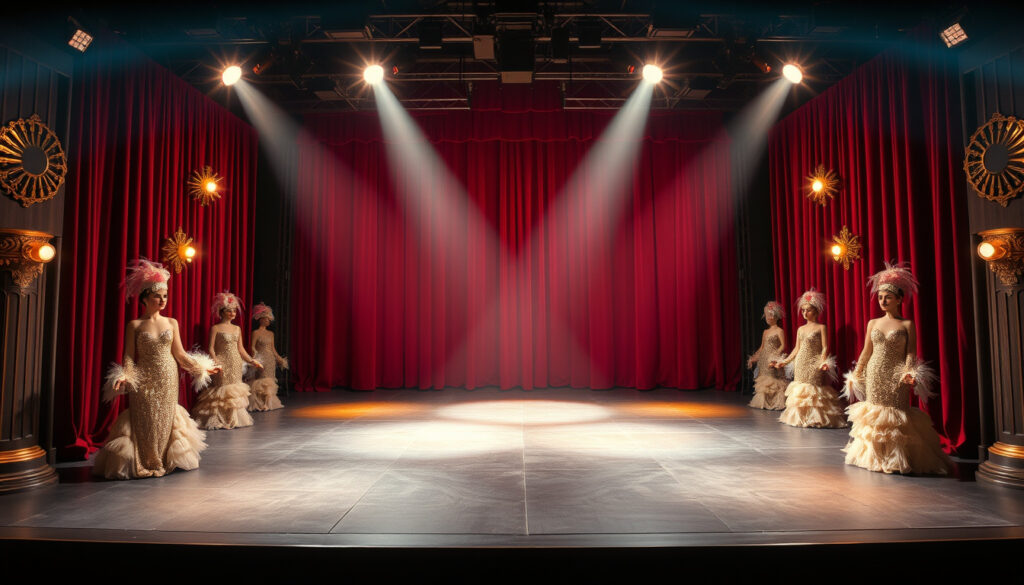
The showgirl concept draws on theatrical traditions while connecting to Swift’s documented interest in performance and persona. Critics have noted the visual presentation—glamorous, dramatic, theatrical—suggests ambitious artistic intent, though some feel the sonic content fails to fully realize these visual promises.
The album’s focus on Swift’s relationship with Travis Kelce represents a continuation of themes she has explored throughout her recent work, though critics disagree on how effectively she translates personal experience into compelling art here. The presence of internet culture references and Gen Z language has drawn particular scrutiny, with some finding these choices fresh while others perceive them as awkward or forced.
The reshuffled production team represents another notable element, suggesting Swift sought to recalibrate her sound for this project. Whether this represents a permanent creative shift or a temporary experiment remains to be seen as her career continues to evolve.
What Reviewers Are Saying
Direct quotations from reviewers provide insight into the specific ways different publications have received “The Life of a Showgirl.” These quotes capture the tone and emphasis of various critical perspectives without paraphrase.
“Lifeless vocals, clunky lyrics, bland arrangements—the album tells rather than shows love and creates shallow drama.” — Belwood Music
“Lacks undeniable hooks and melodies; feels rushed.” — The Guardian (Alexis Petridis)
“The sound of burnout from overwork.” — The Atlantic (Spencer Kornhaber)
These representative quotes illustrate the range of negative assessments while demonstrating the specific language critics have used to characterize their concerns about the project.
Summary and Takeaways
“The Life of a Showgirl” represents one of Taylor Swift’s most polarizing releases in recent memory. The album succeeds when prioritizing catchy pop hooks and fails when attempting more ambitious lyrical or conceptual territory. Stand by Me Lyrics – Full Text, Meaning & History offers a different perspective on how classic songwriting approaches timeless themes.
Critical reception spans from Rolling Stone’s five-star endorsement to The Guardian’s two-star dismissal, with most publications falling somewhere in between on mixed assessments. The standout track “The Fate of Ophelia” appears nearly universally praised, while concerns about generic production and immature lyrics surface repeatedly among less favorable reviews.
The album’s shorter runtime and poppier approach address some criticisms of TTPD while introducing new concerns about depth and substance. Ruth Codd Movies and TV Shows – Complete Filmography provides another example of how varied reception can be for creative projects.
Listeners approaching “The Life of a Showgirl” should calibrate expectations based on what they value in Swift’s work. Those seeking accessible, hook-driven pop will likely find more to enjoy than those prioritizing lyrical sophistication and artistic innovation. The gap between visual ambition and sonic execution remains the album’s central weakness according to critical consensus.
Frequently Asked Questions
What is “The Fate of Ophelia” about on the album?
Critics consistently describe “The Fate of Ophelia” as catchy and the album’s most popular song, though detailed lyrical analysis has not been widely published across sources reviewed.
How long is the album compared to “The Tortured Poets Department”?
“The Life of a Showgirl” features a trimmed-down tracklist compared to TTPD, with reviewers noting the shorter runtime addresses previous complaints about excessive length.
Did Taylor Swift work with different producers on this album?
Sources indicate Swift assembled a reshuffled production team for this project, apparently seeking a different sound and broader mass appeal following mixed reception to TTPD.
What themes does the album explore?
The album centers on Swift’s relationship with Travis Kelce, internet culture references, and a theatrical showgirl aesthetic, with critics divided on how effectively these themes are executed.
How does the album sound compared to previous Taylor Swift releases?
Reviewers describe the production as sparkly and pop-oriented with emphasis on hooks and directness, contrasting with TTPD’s more introspective and sprawling approach.
Is there a Metacritic score for the album?
As of this writing, no aggregate score has been published on major review aggregation platforms, making unified critical consensus difficult to assess.
Do critics agree on which tracks are best?
“The Fate of Ophelia” receives near-universal praise, with “Father Figure,” “Opalite,” and “Elizabeth Taylor” also highlighted positively across multiple sources.
Has fan reception differed from critical reception?
Some sources indicate Reddit and fan communities have responded more positively than some critical assessments, though detailed fan consensus analysis has not been extensively documented across reviewed sources.
More related posts
 Andrey Rublev – 2026 Ranking, Bio, Net Worth and Next Match
 Fay Ripley – Cold Feet Star, Cookbook Author and Podcaster
 Patrick Wilson – Biography, Movies, Net Worth & Family
 John Mayer – Biography, Net Worth, Age, and Songs in 2025
 Robert Downey Jr – Net Worth, Age, Height, and Best Movies
 Neneh Cherry – Biography, Family, and New Memoir in 2025
 UEFA Women’s Champions League Standings – 2025/26 League Table
 Josh Allen – Age, College, Draft and Career Profile
