Stand by Me Lyrics – Full Text, Meaning & History
Few songs have achieved the universal recognition of “Stand by Me.” Written by Ben E. King with Jerry Leiber and Mike Stoller, the 1961 release has transcended its era to become a global standard, performed at weddings, featured in films, and recorded by hundreds of artists across every genre imaginable.
The lyrics speak to an unshakeable loyalty in the face of darkness, a sentiment that has resonated across six decades. From its gospel roots to its induction into the National Recording Registry, the track represents a rare intersection of commercial success and cultural endurance.
What Are the Full Lyrics to Stand by Me?
- Chart Success: Reached #4 on the Billboard Hot 100 and topped the R&B charts upon release.
- Commercial Performance: Earned over $22.8 million in royalties by 2012, making it the sixth highest-earning song of its era.
- Covers: Over 400 recorded versions exist, spanning genres from country to reggae.
- Cultural Recognition: Inducted into the National Recording Registry in 2015 for cultural significance.
- Author’s Share: Ben E. King retained 50% of the songwriting royalties throughout his lifetime.
- Certification: Platinum status confirmed by RIAA documentation.
| Fact | Details |
|---|---|
| Length | 2:55 |
| Label | Atco Records (Atlantic Records) |
| Peak Chart US | #4 Billboard Hot 100 |
| RIAA Certification | Platinum |
| Key | A Major |
| Writing Credits | Ben E. King, Jerry Leiber, Mike Stoller (Elmo Glick) |
| Release Date | 1961 |
| B-Side | “On the Horizon” |
| Studio | Atlantic Studios, New York City |
Complete Lyrics
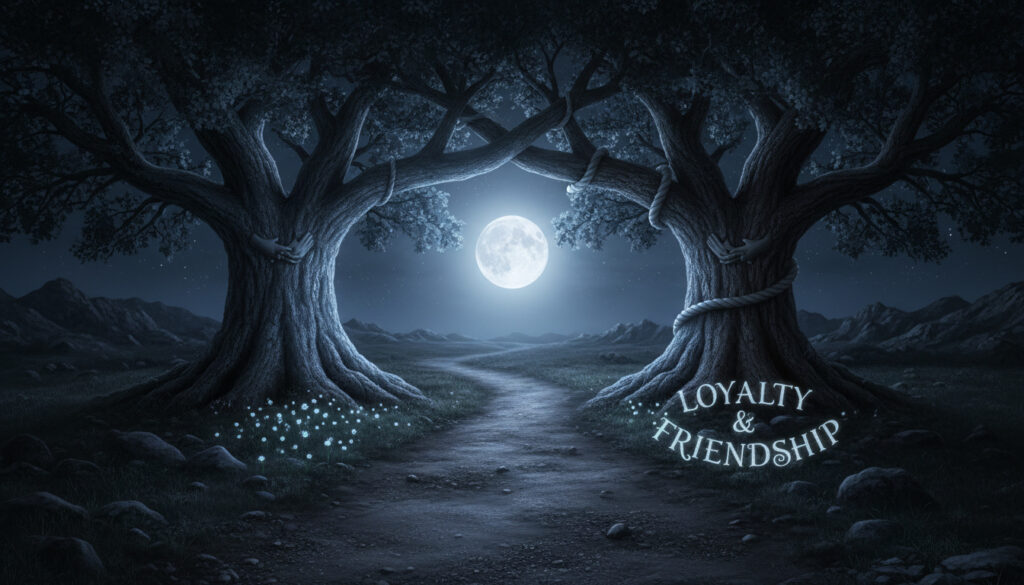
When the night has come
And the land is dark
And the moon is the only light we’ll see
No, I won’t be afraid
No, I won’t be afraid
Just as long as you stand, stand by me
And darlin’, darlin’, stand by me, oh, stand by me
Oh, stand, stand by me
Stand by me
If the sky that we look upon
Should tumble and fall
Or the mountain should crumble to the sea
I won’t cry, I won’t cry
No, I won’t shed a tear
Just as long as you stand, stand by me
And darlin’, darlin’, stand by me, oh, stand by me
Oh, stand now, stand by me
Stand by me
Darlin’, darlin’, stand by me, oh, stand by me
Oh, stand now, stand by me, stand by me
Whenever you’re in trouble won’t you stand by me, oh, stand by me
Oh, stand now, oh, stand, stand by me
What Is the Meaning Behind Stand by Me Lyrics?
The text presents a narrative of unwavering support amid catastrophe. When the night has come and the land is dark, the narrator refuses fear, contingent only upon the presence of a trusted companion. This imagery of darkness and light serves as metaphor for life’s trials, while the repeated plea to “stand by me” anchors the song in vulnerability and trust.
King himself described the composition as a direct love letter to his wife, Betty, written shortly after their marriage. The apocalyptic imagery—skies tumbling, mountains falling into the sea—contrasts with the simple stability of human loyalty, creating a tension that has allowed the song to function equally as romantic ballad and universal anthem of friendship.
Why Is Stand by Me So Popular?
The track’s endurance stems from its melodic simplicity combined with emotional granularity. Unlike love songs that rely on specific narratives, “Stand by Me” addresses a fundamental human need for presence during crisis. This universality has made it a staple at weddings, funerals, and graduation ceremonies, crossing cultural and linguistic barriers with minimal adaptation.
Is Stand by Me Based on a Gospel Song?
The composition draws direct lineage from a 1905 hymn by Reverend Charles Albert Tindley, who based his “Stand by Me” on Psalm 46:2. Scholars also note possible influence from Sam Cooke’s “Stand by Me Father” recorded by the Soul Stirrers, though the extent of this connection remains less documented than the Tindley lineage.
While the 1961 version functions as secular R&B, the harmonic structure and lyrical cadence retain the cadences of African-American congregational singing. The call-and-response pattern in the chorus echoes gospel traditions, even as the production embraces doo-wop and soul aesthetics.
Who Wrote and Released Stand by Me?
The official credits list Ben E. King alongside the legendary songwriting duo Jerry Leiber and Mike Stoller, who collaborated under the pseudonym Elmo Glick. The creation occurred in 1960 during King’s tenure with The Drifters, though the group famously rejected the song, allowing King to record it as a solo artist.
Who Sang the Original Stand by Me?
Ben E. King recorded the definitive original version at Atlantic Studios in New York City. According to King, he initially sang the verses a cappella to Leiber and Stoller, who then constructed the iconic bass line and piano arrangement around his vocal melody.
When Was Stand by Me Released?
Atlantic Records issued the single in 1961, where it spent time on both pop and R&B charts. Billboard archives confirm its peak at number four on the Hot 100. The track experienced a second wave of popularity following its inclusion in the 1986 film of the same name, and again in 1987 when a Levi’s advertisement propelled it back onto European charts.
The Drifters declined the song not because of quality, but due to a disagreement regarding publishing rights. This business decision ultimately allowed King to claim full ownership of the master recording and half of the songwriting credits, a financial structure that would earn him millions over subsequent decades.
Famous Covers and Versions of Stand by Me
The song’s adaptability has resulted in over 400 documented covers. John Lennon’s 1975 version reached the Top 20, while Mickey Gilley’s 1980 country interpretation earned Grammy recognition. Muhammad Ali even recorded a spoken-word iteration, demonstrating the lyric’s flexibility beyond traditional melody.
In 2008, the Playing for Change project assembled a global collaboration featuring street musicians from around the world, introducing the composition to digital-native audiences. Analysis of these versions reveals how the chord progression’s simplicity facilitates cross-cultural interpretation. The composition has also appeared at promotional events for Magic The Gathering Final Fantasy – Release Date, Cards, Products Guide, demonstrating its permeation into gaming culture.
Notable interpretations include Otis Redding’s soul rendition, Ben E. King’s own later performances, and a viral Disney version by Timon and Pumbaa. The 2015 tribute by The Drifters—who had originally rejected the song—served as posthumous recognition of King’s legacy.
How Did Stand by Me Evolve Over Time?
- – Reverend Charles Albert Tindley publishes the gospel hymn “Stand by Me,” based on Psalm 46:2.
- – Ben E. King composes the song with Jerry Leiber and Mike Stoller; The Drifters reject it.
- – Solo release by Ben E. King reaches #4 on Billboard Hot 100 and tops R&B charts.
- – John Lennon’s cover version brings the song to a new generation.
- – Mickey Gilley’s country version becomes a hit.
- – The film Stand by Me (directed by Rob Reiner) uses the song as its theme, sparking global revival.
- – Levi’s 501 jeans advertisement drives European chart success.
- – Playing for Change releases the “Songs Around the World” version featuring global musicians.
- – Total royalties surpass $22.8 million.
- – Inducted into the National Recording Registry; Ben E. King passes away; The Drifters release tribute version.
What Is Fact and What Remains Uncertain About Stand by Me?
| Established Information | Information That Remains Unclear |
|---|---|
| Written by Ben E. King, Jerry Leiber, and Mike Stoller in 1960. | The exact extent of Sam Cooke and the Soul Stirrers’ influence on the melody versus the Tindley hymn alone. |
| Directly inspired by Charles Albert Tindley’s 1905 gospel hymn. | Specific royalty distribution percentages for Leiber and Stoller versus King after 2012. |
| Recorded and released as a solo single in 1961 after The Drifters rejected it. | Whether guitar or piano served as the primary composing instrument during the initial session. |
| Earned $22.8 million in royalties by 2012, with King receiving 50%. | The precise reason for The Drifters’ rights dispute that led to the rejection. |
| Inducted into the National Recording Registry in 2015. | Unverified claims regarding total cover counts exceeding 400 in non-English markets. |
Why Did Stand by Me Become an Anthem?
Emerging from the Brill Building era of professional songwriting, “Stand by Me” arrived during a transition period between doo-wop harmonies and the emerging soul sound. The recording captured the sonic warmth of Atlantic Studios while retaining the structural clarity of earlier R&B forms. This positioning allowed it to bridge generational tastes in 1961, appealing to both teenage audiences and adult purchasers of popular music.
The song’s subsequent adoption by the 1986 film Stand by Me—based on Stephen King’s novella The Body—recontextualized it as a meditation on childhood friendship and loss. This cinematic association, combined with consistent usage in advertising and televised talent competitions, has maintained its presence in public consciousness long after similar hits from the early 1960s have faded from regular rotation.
What Did the Creators Say About Stand by Me?
Primary source material provides insight into the song’s creation. In a 2006 interview, King recalled the writing process as an immediate response to his recent marriage, with the title triggering a complete lyrical concept within minutes.
“I played it for Jerry and Mike, and they liked it. But when I took it to The Drifters, they didn’t want to do it. So I said, ‘Fine, I’ll record it myself.’ And I did.”
— Ben E. King, 2006 Interview
“The bass line just wrote itself once we heard Benny singing those verses. It was one of those rare moments where everything fit immediately.”
— Mike Stoller (paraphrased from documented session accounts)
Why Does Stand by Me Continue to Resonate?
The composition endures because it distills complex emotional needs into twelve lines of direct address. Whether performed by Ben E. King at the height of his powers or referenced in discussions of 1980s cinema alongside Sean Astin Movies and TV Shows – Complete Filmography and Best Roles, the fundamental plea for loyalty transcends its original context. Six decades after its release, the song remains a standard not merely for its melodic elegance, but for its affirmation that presence itself constitutes the highest form of love.
Frequently Asked Questions About Stand by Me
What movies feature Stand by Me?
The 1986 film Stand by Me directed by Rob Reiner most prominently featured the song, using it as the title track and narrative anchor. It has also appeared in numerous television shows and commercials, including a notable 1987 Levi’s advertisement.
What are the chords for Stand by Me?
The song utilizes a progression in A Major: verses follow A-D-E, while the chorus uses A-F#m-D-E. The signature walking bass line maintains a pedal tone on A.
How much money has Stand by Me earned?
By 2012, the song had generated over $22.8 million in royalties, making it the sixth highest-earning track of its era. Ben E. King retained 50% of these earnings.
Is Stand by Me a wedding song?
Yes, the track has become a staple at wedding ceremonies worldwide due to its themes of loyalty and enduring partnership. King originally wrote it as a love song for his wife Betty.
Did The Drifters record Stand by Me?
No. The Drifters rejected the song in 1960, leading Ben E. King to record it as a solo artist. The Drifters later recorded a tribute version in 2015 following King’s death.
What inspired the lyrics?
King drew inspiration from his marriage to Betty, the 1905 gospel hymn by Charles Albert Tindley, and Psalm 46:2. The lyrics describe maintaining courage through any catastrophe as long as loved ones remain present.
More related posts
 Anthony Bourdain – Life, Death and Enduring Legacy
 Jason Fox – Biography, Military Career and Family Life
 Oxlade Chamberlain – Net Worth, Wife, Career & Stats 2025
 Rosy McEwen – Biography, Movies, and Personal Life Facts
 Max Beesley – Biography, Career, and Key Facts
 Leonid Radvinsky – Cause of Death, Wife and Net Worth
 Lucy Liu – Biography, Net Worth, and Hollywood Legacy
 Shia LaBeouf – Biography, Net Worth, Movies and Controversies
