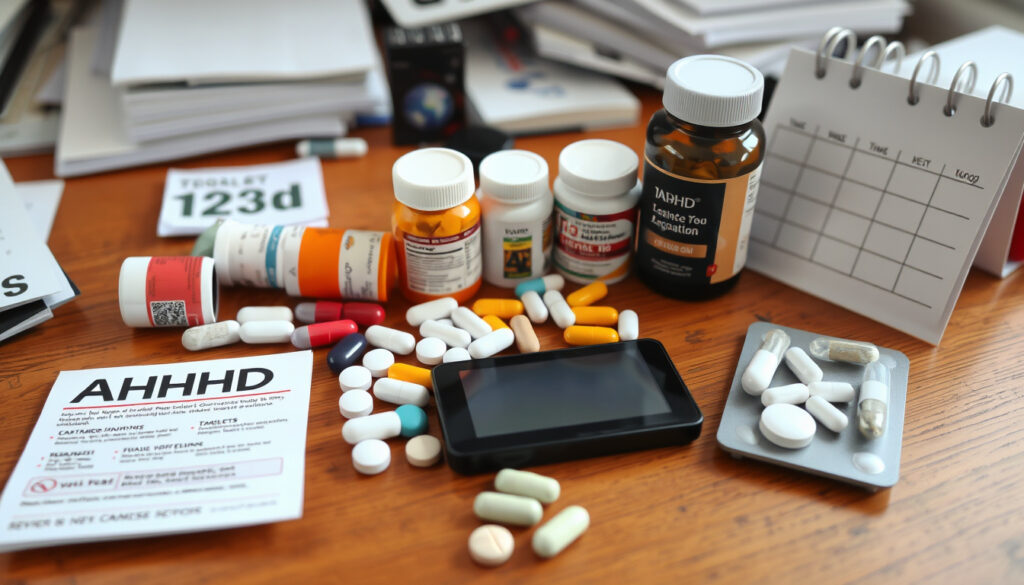
Adhd Medication – Types, Side Effects and UK Guide for Adults and Children
ADHD medication is a central part of treatment for many people with attention deficit hyperactivity disorder. In the UK, these medicines fall into two main categories: stimulants and non-stimulants. Each type works differently, and the choice depends on age, symptoms, and individual response. This guide covers the names, side effects, and availability of ADHD medications for both adults and children.
Stimulants such as methylphenidate and lisdexamfetamine are often the first line of treatment because they act quickly and have a strong track record. Non-stimulants like atomoxetine and guanfacine are alternatives when stimulants are not suitable or cause unwanted side effects. No over-the-counter ADHD medication exists; all require a prescription in the UK.
The NHS follows NICE guidelines, which recommend medication as part of a broader plan that may include therapy and lifestyle adjustments. A 2024 Oxford University study found that atomoxetine and stimulants are among the most effective treatments for adults, giving clinicians more evidence to guide their choices. For those interested in broader health and wellness approaches, the Bryan Johnson – Blueprint Anti-Aging Protocol & Bio offers insights into lifestyle-based health optimisation.
What are the different types of ADHD medication?
ADHD medications are broadly divided into stimulants and non-stimulants. Stimulants increase levels of dopamine and norepinephrine in the brain, improving focus and impulse control. Non-stimulants work primarily by increasing norepinephrine activity and take longer to reach full effect.
Stimulants (methylphenidate, amphetamines) and non-stimulants (atomoxetine, guanfacine). Over-the-counter options do not exist.
Same medications are used, but dosages and approvals may differ. Children often start with lower doses.
Appetite loss, insomnia, headache, dry mouth. Non-stimulants may cause fatigue or nausea.
Available via NHS prescription. Right to Choose allows patients to select a provider for medication management.
Key insights from the research and clinical guidelines include the following:
- ADHD medications are primarily stimulants (methylphenidate, amphetamines) and non-stimulants (atomoxetine, guanfacine).
- A 2024 Oxford study found atomoxetine and stimulants to be the most effective treatments for adults.
- No over-the-counter ADHD medication exists; all require a prescription.
- UK patients can access medication through the NHS or via Right to Choose for faster assessment.
- Stimulants work faster and are usually more effective, but have more appetite and sleep side effects.
- Non-stimulants are slower to work, may be easier to tolerate, and are used when stimulants are not suitable.
- All ADHD medicines require monitoring for sleep, appetite, growth in children, blood pressure, heart rate, and mood.
The table below provides a snapshot of commonly prescribed ADHD medications, their types, durations, and typical side effects.
| Medication Name | Type | Duration | Common Side Effects |
|---|---|---|---|
| Methylphenidate (Ritalin, Concerta) | Stimulant | Short-acting (4-6h) or long-acting (10-12h) | Appetite loss, insomnia, stomach ache |
| Amphetamine-based (Adderall, Vyvanse) | Stimulant | Short-acting (4-6h) or long-acting (10-12h) | Increased heart rate, anxiety, dry mouth |
| Atomoxetine (Strattera) | Non-stimulant | Continuous (once daily) | Fatigue, nausea, dizziness |
| Guanfacine (Intuniv) | Non-stimulant | Continuous (once daily) | Drowsiness, low blood pressure, headache |
| Lisdexamfetamine (Elvanse) | Stimulant | Long-acting (10-12h) | Appetite loss, insomnia, dry mouth |
| Dexamfetamine | Stimulant | Short-acting (4-6h) | Appetite loss, insomnia, headache |
Which ADHD medications are available for adults and children?
The same classes of medication are used for both adults and children, but the specific recommendations and dosages can differ. NICE guidelines provide separate pathways for each age group based on clinical evidence and safety profiles.
What ADHD medications are prescribed for adults?
For adults, NICE-linked NHS guidance typically starts with methylphenidate as a first-line treatment. If that is not effective or not tolerated, options such as lisdexamfetamine or atomoxetine are considered. The 2024 Oxford study reinforces that both stimulants and atomoxetine are effective for adults.
The choice is often individualised. Factors include the presence of anxiety, substance abuse history, and how the patient responds to initial treatment. Some adults may also be prescribed dexamfetamine as a short-acting option. For those interested in broader health and wellness approaches, the Bryan Johnson – Blueprint Anti-Aging Protocol & Bio offers insights into lifestyle-based health optimisation.
In adults, methylphenidate is recommended first-line. Atomoxetine is an option when stimulants are not suitable. For children, stimulants are also first-line, but non-stimulants are reserved for cases where stimulants are ineffective or cause problems. Non-stimulants take longer to work and must be taken daily.
What ADHD medications are safe for children?
In children, stimulant medications such as methylphenidate and lisdexamfetamine are widely used and considered safe when properly monitored. Non-stimulants like guanfacine and atomoxetine are used when stimulants are not effective or cause side effects. One NHS children’s source notes that non-stimulants must be taken every day and may take longer before effects are felt.
Monitoring in children includes tracking growth, appetite, sleep, and mood. Dose adjustments are common, and medication is often part of a comprehensive plan that includes behavioural support and school-based interventions.
What are the common side effects of ADHD medication?
All ADHD medications can cause side effects, and the type and severity depend on the medication class, dosage, and individual factors. Monitoring is important for sleep, appetite, growth in children, blood pressure, heart rate, and mood.
What are the most common side effects of ADHD medication?
For stimulants, the most frequently reported side effects include loss of appetite, insomnia, anxiety, irritability, headache, stomach pain, nausea, and increased heart rate or blood pressure changes. Some sources also note rebound effects as the medicine wears off and possible worsening of tics.
For non-stimulants, common side effects include nausea, vomiting, stomach pain, drowsiness, tiredness, dry mouth, dizziness, and gastrointestinal discomfort. Atomoxetine requires particular monitoring for mood changes and possible suicidal thoughts.
How do side effects differ between stimulants and non-stimulants?
Stimulants tend to cause more appetite and sleep problems, while non-stimulants are generally described as having fewer appetite- and sleep-related side effects. However, non-stimulants have their own risks, including fatigue, nausea, and mood changes. The choice often comes down to which side effects a person can manage.
All ADHD medications require monitoring for sleep, appetite, growth in children, blood pressure, heart rate, and mood. Atomoxetine needs particular attention for mood changes and possible suicidal thinking. Some side effects are dose-related, and medication choice is individualised based on symptom pattern, age, response, and tolerability.
What ADHD medications are available in the UK?
In the UK, ADHD medications are available only through NHS prescription or private prescribing. The NHS follows NICE guidelines, which recommend medication as part of a comprehensive treatment plan. Over-the-counter ADHD medications do not exist in the UK.
Which ADHD medications are approved in the UK?
The stimulants approved in the UK include methylphenidate (branded as Concerta, Medikinet, Equasym, Ritalin), lisdexamfetamine (Elvanse/Elvanse Adult), and dexamfetamine. The non-stimulants include atomoxetine (Strattera) and guanfacine (Intuniv), though licensing and availability can differ by age and indication.
NICE guideline NG87 provides the framework for diagnosis and management. The NHS Bucks Formulary and other local guidelines reflect these national recommendations. A 2025 article in the British Journal of General Practice notes that stimulants are first-line for adults, with atomoxetine as an alternative.
How can I get ADHD medication through the NHS Right to Choose?
The NHS Right to Choose allows patients in England to select a qualified provider for their ADHD assessment and medication management. This can reduce waiting times compared to standard NHS pathways. Clinical Partners and other providers offer this service, which includes assessment, prescribing, and follow-up.
NHS Right to Choose lets patients choose a provider for ADHD assessment and medication management. This can speed up access to treatment. Providers like Clinical Partners offer this service, which includes diagnosis, prescribing, and monitoring. Always check that the provider is registered with the NHS and follows NICE guidelines.
How has ADHD medication developed over time?
The development of ADHD medications spans several decades, with key milestones that shaped current treatment options.
- 1944 – Methylphenidate was first discovered, though it would take years before its use for ADHD became widespread.
- 1950s – Methylphenidate was introduced for medical use, initially for conditions other than ADHD.
- 1990s – Non-stimulant medications such as atomoxetine were developed, providing alternatives for patients who could not tolerate stimulants.
- 2000s – Guanfacine (Intuniv) was approved for use in children, expanding the non-stimulant category.
- 2024 – An Oxford University study identified atomoxetine and stimulants as the most effective treatments for adults, reinforcing evidence-based prescribing.
What is known and what remains uncertain about ADHD medication?
Research has established several certainties about ADHD medication, but some questions remain open. The table below summarises what is well understood and what is still being studied.
| Established information | Information that remains unclear |
|---|---|
| Over-the-counter ADHD medications do not exist in the UK or US; all require a prescription. | The exact long-term effects of ADHD medication on brain development in children are still being studied. |
| Methylphenidate and amphetamine-based drugs are stimulants; atomoxetine and guanfacine are non-stimulants. | Individual responses to medication vary widely, and predicting which drug will work best for a given person is not yet possible. |
| Common side effects include appetite loss, insomnia, and headache for stimulants; fatigue and nausea for non-stimulants. | Whether non-stimulant medications are as effective as stimulants for all patients remains unclear; the 2024 Oxford study shows they are effective for adults. |
How do ADHD medications work?
ADHD medications work by increasing the levels of certain neurotransmitters in the brain. Stimulants boost dopamine and norepinephrine, which helps improve attention, focus, and impulse control. Non-stimulants primarily increase norepinephrine activity, which can also improve concentration but through a different mechanism.
Stimulants are considered first-line treatment because of their rapid onset and high efficacy. They are available in short-acting and long-acting formulations, allowing patients to choose coverage that fits their daily schedule. Non-stimulants are slower to start working and need to be taken every day to maintain benefit, but they may be preferred for patients with a history of substance abuse or anxiety.
The UK NHS follows NICE guidelines, which recommend medication as part of a comprehensive treatment plan that may include therapy and lifestyle changes. The 2024 Oxford study adds evidence that both atomoxetine and stimulants are effective for adults, giving clinicians more options when tailoring treatment.
What do official sources say about ADHD medication?
Official sources provide clear guidance on the use of ADHD medication. The NHS, Cleveland Clinic, and Oxford University are among the institutions that have published evidence-based information.
“Methylphenidate is a medicine used to treat attention deficit hyperactivity disorder (ADHD) in adults.”
– NHS (Methylphenidate page)
“ADHD medication treats the symptoms of attention-deficit/hyperactivity disorder (ADHD), such as hyperactivity and impulsivity.”
– Cleveland Clinic
“Atomoxetine and a class of drug known as stimulants are the most effective treatments in the management of attention deficit hyperactivity disorder (ADHD) in adults.”
– Oxford University Study (2024)
What is the overall picture for ADHD medication?
ADHD medication is a well-established, evidence-based treatment that helps many people manage symptoms of inattention, hyperactivity, and impulsivity. The choice between stimulants and non-stimulants depends on age, symptoms, tolerability, and personal circumstances. In the UK, access is available through the NHS and through Right to Choose pathways, with NICE guidelines providing the framework. Ongoing research continues to refine understanding of long-term effects and optimal treatment strategies. For those interested in broader health and wellness approaches, the Bryan Johnson – Blueprint Anti-Aging Protocol & Bio offers insights into lifestyle-based health optimisation.
Frequently asked questions about ADHD medication
What is ADHD?
ADHD (Attention Deficit Hyperactivity Disorder) is a neurodevelopmental condition characterised by inattention, hyperactivity, and impulsivity. Medication is one treatment option.
What are the symptoms of ADHD in women?
Women often present with inattentive symptoms, such as difficulty focusing, disorganisation, and emotional dysregulation, which may be overlooked.
What is inattentive ADHD?
Inattentive ADHD is a subtype where the main symptoms are distractibility, forgetfulness, and difficulty sustaining attention, without significant hyperactivity.
How is ADHD diagnosed?
Diagnosis involves a comprehensive assessment by a healthcare professional, often including questionnaires, clinical interviews, and sometimes computer-based tests.
What is the role of the NHS in ADHD medication?
The NHS provides assessment and prescribing for ADHD medication, typically following NICE guidelines. Patients can also use Right to Choose to access private providers.
What is the difference between short-acting and long-acting ADHD medication?
Short-acting medications last 4-6 hours and may require multiple doses. Long-acting formulations last 10-12 hours and provide coverage throughout the day.
Who might be prescribed non-stimulant ADHD medication?
Non-stimulants are often prescribed when stimulants are ineffective, not tolerated, or when a patient has a history of substance abuse or anxiety.
Can ADHD medication affect sleep?
Yes, insomnia is a common side effect of stimulant medications. Non-stimulants may cause drowsiness in some people. Timing of doses can help manage these effects.
Is ADHD medication safe for long-term use?
Long-term safety data are still being collected. Current evidence supports the safety of ADHD medications when properly monitored, especially for growth, heart health, and mood.
What is the cost of ADHD medication in the UK?
NHS prescriptions cost the standard prescription charge in England, unless the patient is exempt. Private prescriptions may cost more, depending on the medication and provider.
More related posts
 What Is an Invoice – Definition, Examples, vs Receipt
 Beatrix Potter – Biography, Books, and Lasting Legacy
 Phoebe Tonkin – From The Originals to Fashion Icon
 DJI O mo Action 5 Pro – 2025 Review and Buying Guide
 Julian Casablancas – Net Worth, Wife, Height and Biography
 Peter Cushing – Biography, Cause of Death, and Iconic Roles
 Sean O’Malley – UFC Record, Next Fight & Net Worth
 Stuart Hogg – Retirement, Legal Case and Personal Life
