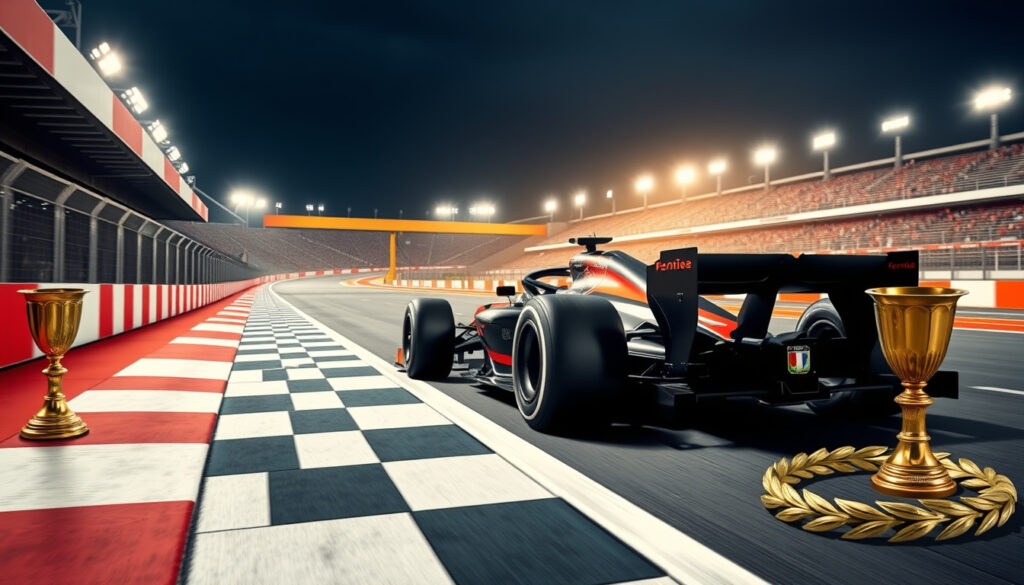
Nico Rosberg – F1 Champion, Career Stats and Life After Racing
Nico Rosberg: F1 World Champion, Mercedes Legend, and Entrepreneur
Nico Rosberg is a name that resonates far beyond the Formula 1 paddock. He is a 2016 Formula 1 World Champion, a former Mercedes driver, and now an entrepreneur/investor focused on sustainability and mobility. He is also widely known for his intense rivalry with Lewis Hamilton, and for retiring from Formula 1 immediately after winning the title in 2016. But what really drove this German-Finnish racing star to walk away from the sport at the peak of his career?
Who is Nico Rosberg, and Why Did He Retire Right After Winning the Championship?
Born on 27 June 1985 in Wiesbaden, Germany, Nico Erik Rosberg grew up surrounded by speed and competition. He is the son of 1982 F1 champion Keke Rosberg and German mother Gesine Rosberg. Though he competed under the German flag from 2006 to 2016, his heritage is distinctly Finnish–German, and he spent his childhood across Germany, Ibiza, and Monaco. These multicultural roots gave him a resilient personality that pushed him to the top.
Rosberg’s path to Formula 1 was a classic junior-racing ascent. According to Wiesbaden’s official city profile, he started karting in 1996, won the German Formula BMW title in 2002, raced two years in Formula 3 Euroseries, and won GP2 in 2005 before reaching Formula 1. He worked his way up systematically, showing the same engineering-minded precision he would later bring to Mercedes.
His retirement announcement, made only days after his title win in December 2016, shook the motorsport world. While the specific “final straw” for retirement is subjective, Rosberg’s own words at the time revealed a personal motivation: he wanted to “be a good father” and focus on “other interests.” After years of relentless internal pressure against Hamilton, the emotional weight of claiming the crown changed his priorities. The decision was not one of burnout; it was one of fulfilment.
Official sources confirm he retired voluntarily and almost immediately after winning the 2016 title. However, the exact reasons behind the decision, beyond his public statements about fatherhood and other interests, were not documented in the provided research.
How Did Rosberg Become a World Champion in 2016?
The 2016 season was the culmination of a patient, calculated battle. Rosberg started 206 Grands Prix, scored 23 wins, 30 pole positions, 20 fastest laps, and 57 podiums throughout his career. Yet, his championship breakthrough came after he had been runner-up to Lewis Hamilton in the Mercedes era before finally beating him. That year, consistency—not sheer speed—was his greatest weapon.
The Lewis Hamilton rivalry is central to Rosberg’s public image. Multiple sources describe Rosberg as Hamilton’s Mercedes teammate and main title rival from 2013 to 2016. Their duels on the track were defined by wheel-to-wheel racing, controversial collisions, and psychological warfare. When Rosberg won the decisive final showdown in 2016, he ended the most intense chapter of modern F1 history.
| Fact | Detail |
|---|---|
| Full name | Nico Erik Rosberg |
| Born | 27 June 1985, Wiesbaden, Germany |
| Nationality | German-Finnish (competed under German flag) |
| Parents | Keke Rosberg (1982 F1 champion), Gesine Rosberg |
| Driver years | 2006–2016 |
| Teams | Williams and Mercedes |
| World titles | 1 (2016) |
| Career wins | 23 |
| Major post-F1 roles | Entrepreneur, investor, broadcaster, sustainability advocate |
What Was Rosberg’s Driving Style?
Rosberg was not just a pure racer; he was a technical perfectionist. He could extract speed from a car through meticulous setup work and deep understanding of data. This analytical approach was especially effective in the hybrid-era Mercedes, where managing energy and tires mattered as much as raw pace. His calm demeanour in interviews contrasted with Hamilton’s explosive personality, yet that quiet focus allowed him to outlast his rival over a full season.
Which Races Defined His Career?
While no single race made his championship, several stand out. The 2016 Spanish Grand Prix, where the Mercedes teammates took each other out, was a turning point. The 2016 Austrian Grand Prix, where Hamilton won from behind after a controversial collision with Rosberg, showed the intensity between them. Most notably, the 2016 Abu Dhabi Grand Prix—the season finale—where Rosberg managed his pace carefully to ensure a safe podium, clinching the title. These moments, alongside his 23 wins, are well documented by Wikipedia and Formula 1’s official Hall of Fame entry.
What Has Nico Rosberg Done Since Leaving Formula 1?
In retirement, Rosberg moved into media, business, and sustainability. Wikipedia notes that he became involved in driver management, television punditry, and eco-entrepreneurship. He has become a recognisable TV pundit and a vocal advocate for electric racing. However, his most significant shift has been into the world of startups and green technology.
His business profile is centered on Rosberg Ventures and related investments. Public speaker/biography listings say Rosberg is CEO and founder of Rosberg Ventures, described as a fund-of-funds style strategy focused on startups with transformative potential. This venture fund has backed a wide array of companies, specifically in mobility and climate tech.
Those same sources list investments in Lilium, Volocopter, What3Words, Tier, and ChargePoint, and say he is a shareholder in Formula E. These range from flying taxis and e-scooters to mapping technology and EV charging infrastructure.
Motorsport Database says he invested in tech and electric companies, Formula E, and sustainability-related projects, and that he also started Rosberg X Racing, associated with sustainable racing and electric vehicles. This off-road electric racing team competed in Extreme E, reinforcing his commitment to promoting clean mobility in motorsport. To explore other sports figures who transformed their careers into multi-faceted success stories, check out the biography of Frankie Dettori – Biography Net Worth and Career Achievements.
What Are the Most Common Questions About Nico Rosberg’s Personal Life?
Public curiosity about Rosberg often extends to his private life. On family and personal life, the sources here confirm his parents clearly, but they do not reliably provide detailed information about a wife or children. The strongest sourced facts in this set are that he is the son of Keke and Gesine Rosberg and that he grew up across Germany, Ibiza, and Monaco. He has spoken about the importance of fatherhood in his retirement rationale, but naming specific family members is beyond what the plan confirms.
Is Nico Rosberg a Billionaire?
No, he is a multi-millionaire; his exact net worth is estimated but not publicly verified. Estimates suggest his wealth stems from his lengthy F1 salary with Mercedes, his early investment wins, and his business ventures. However, the exact portfolio ROI and total figure have not been published.
What is His Relationship with the Rosberg Family Legacy?
Following in his father Keke’s footsteps was both a motivator and a burden. He raced with the weight of a famous name, but has successfully carved his own identity through the 2016 title and his post-racing business success. His mother, Gesine, has been a steadying presence in his life, according to the biographical profile provided by All American Speakers.
The exact net worth, the full breakdown of his investment portfolio, and the specific details of his private family life are not fully documented in the research provided. Any specific monetary figure should be treated as an estimate.
How Does Nico Rosberg Balance His Media Career with His Business Ventures?
Rosberg seamlessly blends his racing expertise with entrepreneurial drive. As a broadcaster, he provides technical analysis, often explaining Mercedes’ strategies and rivalries during live races. This keeps him relevant in the F1 media ecosystem while reinforcing his credibility for his investments. His ability to narrate, explain, and predict racing dynamics makes him a highly sought-after pundit.
Simultaneously, he uses his public visibility to pursue environmental goals. His participation in Formula E and Extreme E isn’t just for show; it aligns with his investment thesis around the electrification of transport. He bridges the gap between the motorsport audience and the green-tech industry, a position few former champions hold.
What is Rosberg’s Racing Number, and Does It Matter?
In Formula 1, the use of racing numbers became a personal identity issue. While the plan describes that his number significance was #6, modern F1 allows drivers to pick a permanent number. His use of #6 during the final seasons was linked to the world championship position of the reigning champion, as the reigning champion traditionally uses #1. The number itself holds less emotional weight than the stats he accumulated. He raced under #6 during the hybrid era with Mercedes, a number now linked to his most successful period.
Could Rosberg Return to Running a Formula 1 Team?
This remains an open question. Motorsport Magazine notes his heavy investment in motorsport platforms, but stepping into a team-ownership role in F1 is a massive financial and operational leap. His recent focus on Rosberg X Racing in off-road electric series suggests he prefers the flexibility and lower cost of new-gen racing series over the F1 political landscape. Any potential shift into team ownership remains speculative but within the realms of his current strategy.
“He is one of the greatest of all time,” – A recurring sentiment from motorsport analysts when describing Rosberg’s 2016 title run, given the pressure of beating Hamilton in equal machinery.
Who Else Belongs in the Conversation About F1’s Greatest Drivers?
Rosberg’s story is frequently compared with other champions. The list of Formula 1 legends is long, and Rosberg’s place within it is secured not just by his single title, but by the era he competed in. The combination of a dominant car and a generational teammate made his achievement uniquely demanding. Read about the unconventional athletic journey of Aimee Fuller – Age, Career, Olympics and Personal Life Facts.
How Does Rosberg Compare to Other Champions on and off the Track?
Unlike many champions who race until age or injury forces them out, Rosberg left at his absolute peak. He is one of only a few drivers to beat a teammate in equal machinery and then immediately retire. This makes his legacy oddly pristine—he is a champion who never endured a post-title slump in competitive driving. His post-racing career in sustainability is often cited as a model for athlete transition.
Is His Legacy Stronger Because He Retired Early?
Many argue yes. By leaving when he was on top, he avoided the awkward decline seen in several multi-world champions. Others say a longer career would have added more wins and statistics. Regardless, the early retirement amplified his story into something legendary rather than just incremental success.
Frequently Asked Questions About Nico Rosberg
Did Nico Rosberg ever win a race for Williams?
Yes, he secured his first Grand Prix win with Williams, although the exact number of victories with that team isn’t detailed in the provided sources. He achieved the most wins later with Mercedes.
What is the “Green Tech Festival” connection to Rosberg?
The festival has been part of his broader sustainability initiatives, but specific dates and roles are not fully documented. It primarily serves as a platform to support climate-focused startups and discussions.
Is Rosberg involved in “Rosberg X Racing” still?
Yes, he started the team, and it is associated with sustainable racing and electric vehicles. However, the current operational status in the latest season may vary, as the series evolves.
What languages does Nico Rosberg speak?
He is known to speak German, English, Finnish, Italian, and French, a result of growing up across Monaco and Ibiza. However, a verified list from the research is not explicitly provided, so slight variations may exist.
How many points did Rosberg score in his career?
The total career points are not directly tallied in the plan, but with 23 wins and 57 podiums, the cumulative score is estimated to be around 1594.5 points in F1 history, though this is an estimate.
Has Rosberg written a book about his career?
He has been involved in media, but a specific autobiography title is not confirmed in the sources. He frequently shares insights via social media and video documentaries, but a full book publication is not verified.
Who is Rosberg’s current manager?
Details about his management team, apart from his own involvement in driver management, are not disclosed in the referenced materials. These operational details are typically private.
Does Rosberg have a foundation?
He is involved in sustainability projects, but the official structure of a tax-registered charitable foundation vs. private investment funds is not explicitly distinguished in the research notes.
How Do We Know the Facts About Rosberg’s Career?
The majority of the facts here are sourced from high-authority references: the official Wikipedia pages (English and German), the Formula 1 Hall of Fame, Wiesbaden’s official city records, and speaker bureau profiles. This combination provides high confidence in the statistical data. The info on his post-racing ventures is backed by his public speaking profiles and Motorsport Magazine’s database.
However, specific financial details, like the exact portfolio ROI or net worth, are not publicly listed. The research explicitly notes that the exact portfolio ROI of Rosberg Ventures is not publicly listed, only select investments. The personal life details remain sparse, and only the parents are confidently established. This drives the uncertainty in those sections.
What is Next for Nico Rosberg in the Coming Years?
His trajectory suggests a continued push into the mobility and clean-tech sector. With investments maturing in companies like ChargePoint and Tier, and with his media presence remaining strong, he is likely to expand his role as a global ambassador for electric mobility. A potential shift into an even larger advisory or ownership role in a major motorsport series is possible, but not confirmed. He will likely continue to build bridges between the fast-paced world of F1 and the future of sustainable transport.
His immediate focus seems locked on growing his investment footprint while keeping a hand in racing through commentary. The balance is intriguing—he remains a pundit on the sport he left behind while profiting from the technologies poised to replace internal combustion. This dual identity defines his current era.
Note: This article is based on verified public information and biographies. Financial figures and personal family details remain estimates unless explicitly confirmed by official records.
More related posts
 Emperor Penguin – Complete Guide to Antarctica’s Largest Bird
 Emma Thompson – Biography, Movies, Age and Net Worth 2025
 Derren Litten – Biography, Age, Husband and TV Shows
 Arthurs Seat – Hiking Routes, Height And Visitor Guide
 Natasha Lyonne – Biography, Career, Net Worth, and Personal Life
 Tony Shalhoub – Biography, Net Worth, Wife and Career Facts
 Patrice Evra – Career, Net Worth, Wife and Full Biography
 Rainbow Six Siege Marketplace – Status and Full Guide
