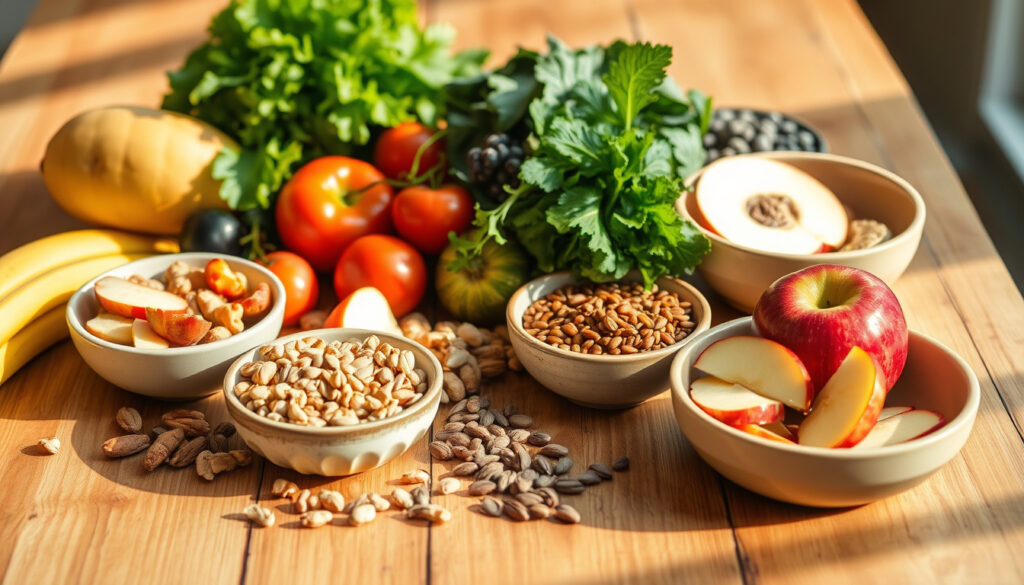
Healthy Snacks – The Ultimate Guide to Nutritious Options
What Are Healthy Snacks?
Four Types of Healthy Snacks You Should Know
- Fruits & Vegetables: Fresh, dried, or frozen options provide essential vitamins and fibre.
- Nuts & Seeds: Almonds, walnuts, chia, and flax offer healthy fats and protein.
- Dairy & Alternatives: Yogurt, cheese, and plant-based choices supply calcium and protein.
- Whole Grains & Legumes: Popcorn, oats, and chickpeas deliver sustained energy and fibre.
Key Insights for Choosing Snacks
- Whole, minimally processed foods make the healthiest snacks.
- Portion size matters more than the food itself for weight management.
- Homemade snacks often have less sugar and salt than store-bought.
- Pairing protein with fiber increases satiety, for example apple with peanut butter.
- Healthy snacks can be affordable when using seasonal produce.
Quick Nutrition Snapshot: Common Healthy Snacks
| Snack | Calories (approx) | Key Nutrients | Best For |
|---|---|---|---|
| Apple (medium) | 95 | Fiber, Vitamin C | Weight loss, kids |
| Almonds (1 oz) | 164 | Healthy fats, Vitamin E | Satiety, heart health |
| Greek yogurt (plain, 6 oz) | 100 | Protein, Probiotics | Muscle repair, digestion |
| Popcorn (air-popped, 3 cups) | 90 | Fiber | Low-calorie snacking |
What Are Some Healthy Snack Recipes?
Quick Homemade Ideas
Recipes do not need to be complicated to be nutritious. BBC Food – Healthy Snacks Collection offers a wide range of options. Poha with mustard seeds, curry leaves, and peanuts provides a balanced start. Oats chivda made without deep frying offers a crunchy, lighter alternative to traditional mixtures.
For something simpler, sprouted moong salad is high in fibre and protein, while roasted makhana delivers a light, crunchy texture. Corn chaat with lemon and spices, or egg paratha made with wholewheat flatbread, are substantial enough for a meal replacement. Easy Spaghetti Bolognese Recipe – Quick Pantry Staple Dinner is another option for those looking for a quick, filling meal.
What Healthy Snacks Are Best for Weight Loss?
For weight loss, the most useful snacks are usually low in calories but high in volume or protein. Raw vegetables, fruit, plain yoghurt, boiled eggs, and light popcorn are consistently recommended by dietitians and health organisations.
100-Calorie Snack Options
The British Heart Foundation – 100-Calorie Snacks guide specifically suggests choosing snacks with fewer than 100 calories per portion. Examples include a medium apple, a handful of almonds, or air-popped popcorn.
The Role of Protein and Fullness
Pairing protein with fibre increases satiety, helping to control overall daily calorie intake. Cottage cheese with fruit, or bell peppers with guacamole, are effective combinations that keep hunger at bay for longer periods.
The British Heart Foundation suggests choosing snacks with fewer than 100 calories per portion. Combining protein with fibre helps maintain satiety for longer, making it easier to manage overall calorie intake throughout the day.
What Healthy Snacks Are Good for Kids?
The NHS Healthier Families – Healthier Snacks guide recommends fruit and vegetables as the best snack choice for children, and advises that packaged snacks should be limited to about two a day maximum.
School-Friendly Snack Ideas
Fresh fruit, vegetable sticks with hummus, cheese with crackers, and homemade popcorn are easy to pack and eat. Boiled eggs and plain yoghurt with fruit are portable, protein-rich options that support growth and energy levels throughout the school day.
Making Snacks Appealing
Fruit kebabs, cucumber caterpillars, and avocado with boiled egg are simple ways to make healthy options visually engaging for younger children without adding sugar or artificial ingredients.
Fruit kebabs, cucumber caterpillars, and other fun shapes can make healthy options more appealing to younger children without adding sugar. The NHS emphasises keeping fruit and vegetables as the main everyday snack for children.
Where Can I Buy Healthy Snacks?
NHS guidance says to look for products marked with a “Good choice” badge where available, and to prefer items that are lower in sugar and saturated fat. Dietitian reviews suggest prioritising wholegrain, higher-fibre, lower-sugar options when shopping.
Store-Bought Supermarket Picks
Plain rice cakes, wholegrain crispbread, lower-fat cheese sticks, sugar-free jelly, and yoghurt with low added sugar are widely available. Healthline – 29 Healthy Snacks for Weight Loss also highlights fruit and nut bars with short ingredient lists, seaweed snacks, and edamame snacks as increasingly common options in UK supermarkets.
What to Look For on the Label
Look for wholegrain options with at least 3g fibre per 100g. Prefer snacks with low added sugar and moderate sodium. Avoid ‘healthy-looking’ snacks that are actually calorie-dense, such as large granola portions or sweetened dried fruit.
‘Low-fat’ or ‘diet’ labeled snacks are not always healthier. They often contain added sugar or sodium to compensate for flavour. Checking the ingredients list and nutrition panel is essential for making an informed choice.
What Are Healthy Indian and UK Snacks?
Indian Snack Ideas
These are especially useful if you want snacks that feel substantial but can still be made lighter by baking, roasting, steaming, or using less oil. I’m the Chef Too – Delicious Healthy Indian Snacks for Kids provides excellent recipes. Poha with mustard seeds, curry leaves, onion, peas, lemon, and a few roasted peanuts is a traditional favourite. Oats chivda or poha chivda made without deep frying, chana sundal made from boiled chickpeas with tempering and coconut, and sprouted moong salad are all high-fibre, high-protein options. Roasted makhana, corn chaat, paneer sandwiches on wholewheat bread, and baked alasanda vada (black-eyed pea patties) instead of fried versions, offer a great deal of variety.
UK Favourites
In the UK, popular healthy snack choices include crumpets as a quick base, wholegrain crispbread with lower-fat toppings, and air-popped popcorn. Rice cakes with low-fat cream cheese and cucumber, or toasted pitta with tuna, are common lighter options that align with NHS guidance on reducing sugar and saturated fat.
What Are Proper, Filling, and Late Night Healthy Snacks?
Filling Snacks for Adults
Choosing snacks that combine fibre and protein is the most effective way to stay full between meals. Examples include yoghurt with fruit, hummus with vegetables, wholegrain crackers with cheese, or a small bowl of oatmeal. Cottage cheese with fruit or cucumber, and pears with ricotta, are also satiating choices that provide balanced nutrition.
Late-Night Eating Guidelines
For late night snacking, a small protein-based snack is usually more filling than sugary snacks. Boiled egg with cherry tomatoes, cheese and crackers, hummus with cucumber, or avocado on toast are sensible options that are less likely to disrupt sleep. Delish – Best Healthy Work Snack Recipes also notes that a small bowl of popcorn or rice cakes with low-fat cream cheese can satisfy evening cravings without overloading on calories.
How Have Healthy Snacking Trends Evolved?
- 2010s: Rise of protein bars and shakes as convenient healthy snacks.
- 2015: Avocado becomes a snack staple; social media drives recipe sharing.
- 2020: Pandemic shifts focus to whole foods and immunity-boosting snacks.
- 2023-2025: Emphasis on plant-based, gut-friendly, and low-sugar options.
- 2025: AI-driven personalized snack recommendations emerge.
What Is Known and What Remains Unclear About Healthy Snacks?
Established Information
- Snacks high in added sugar, salt, and trans fats are unhealthy.
- Whole fruits, vegetables, nuts, and seeds are nutrient-dense.
- Eating snacks with protein and fiber increases satiety.
Information That Remains Unclear
- Whether ‘low-fat’ or ‘diet’ labeled snacks are truly healthier.
- Optimal snacking frequency varies significantly by individual.
- Effectiveness of superfoods as snack bases is often exaggerated.
How Do Different Expert Sources Compare?
BBC Food and Delish focus primarily on recipes and taste, with less emphasis on calorie metrics. The NHS and British Heart Foundation stress calorie control and heart health, specifically targeting families and patients. Healthline bridges medical evidence with weight-loss goals, citing specific studies. No major source currently addresses regional snack customs in depth, which represents a notable content gap in the market.
What Do Official Guidelines Say?
‘Swap sugary snacks for fruit, veg, and unsalted nuts.’
— NHS Healthier Families
‘Choose snacks with fewer than 100 calories per portion.’
— British Heart Foundation
‘Combine protein and fiber to stay full longer.’
— Healthline
What Is the Bottom Line for Healthy Snacking?
Choosing snacks that are based on whole foods, pairing protein with fibre, and understanding portion sizes form the foundation of effective snacking. Whether for weight loss, feeding children, or satisfying late-night hunger, the evidence consistently points toward minimally processed options that are naturally rich in nutrients. Is Cinnamon Good for You – Benefits, Science and Safety offers a deeper look at specific ingredients that can complement a healthy diet.
Frequently Asked Questions About Healthy Snacks
Are granola bars healthy?
Many store-bought granola bars are high in added sugar and low in protein. Choose bars with less than 10g sugar and more than 5g protein, or make your own.
Can I eat healthy snacks before bed?
Yes, opt for light snacks like a banana, a small yogurt, or a handful of nuts. Avoid heavy or sugary foods that may disrupt sleep.
How many healthy snacks should I eat per day?
For most people, 1-2 snacks per day is reasonable. Listen to your hunger cues and adjust based on activity level and meal size.
Are dried fruits healthy?
Dried fruits are nutrient-dense but calorie concentrated. They are healthy in small portions, but watch for added sugars in sweetened varieties.
Are ‘low-fat’ snacks always healthier?
Not necessarily. ‘Low-fat’ labeled snacks often contain added sugar or sodium to compensate for flavour. Check the ingredients list and nutrition panel carefully.
More related posts
 Robert De Niro – Biography, Movies, Family & Net Worth
 Easy Spaghetti Bolognese Recipe – Quick Pantry Staple Dinner
 Bradley Dack – Biography, Career Stats, Net Worth & Split
 Twilight Edward – Your Complete Character Guide
 Rag Doll – Toy, Cat Breed, Song And Film Guide
 Rio Ngumoha – Age, Height, Career, and Nationality
 Sonic the Hedgehog 2020 – Cast, Box Office, and Streaming Guide
 Judi Dench – Biography, Age, Net Worth, Movies, and Family (2025)
