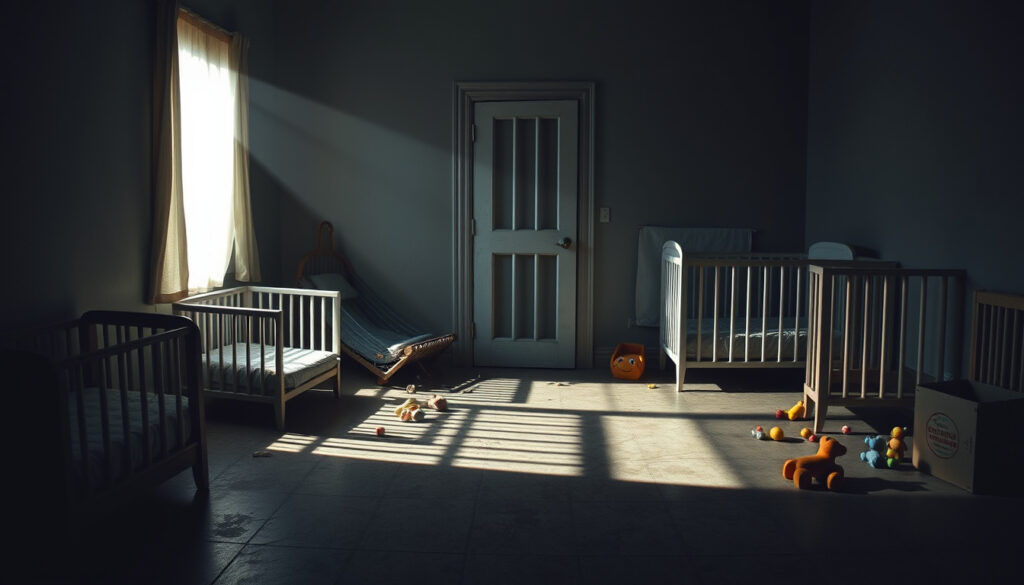
Roksana Lecka – Nursery Worker Jailed for Abusing 21 Babies
A former nursery worker from Twickenham, London, has been at the centre of one of the most disturbing child abuse cases in recent UK history. Roksana Lecka, a 22-year-old Polish national, was convicted of cruelty against 21 babies at Riverside Nursery and later sentenced to eight years in prison. Her case drew additional scrutiny when the Home Office ordered her deportation to Poland, sparking outrage and heartbreak among the families of her victims.
Lecka’s crimes came to light after nursery staff raised concerns about her behaviour. A review of hidden CCTV footage revealed a pattern of rough handling and deliberate harm that prosecutors described as shocking in its scale and callousness. The nursery has since closed, and the legal proceedings that followed have left lasting questions about childcare safeguards and the treatment of foreign national offenders in the UK.
The case has broad implications, touching on nursery safety protocols, the deportation of convicted criminals, and the emotional toll on families who entrusted their children to a professional setting. Below is a comprehensive account based on official sources, court records, and verified news reports.
Who Is Roksana Lecka?
Roksana Lecka was a nursery worker living in Hounslow, London, who secured a position at Riverside Nursery in Twickenham. She worked with infants aged approximately 10 months to two years between January and June 2024, though the abuse period documented in court spanned from October 2023 to June 2024. Lecka is a Polish national who moved to the UK prior to her employment at the nursery.
Roksana Lecka Case: Key Facts at a Glance
- Subject: Roksana Lecka, 22, Polish national
- Crime: Child cruelty, assault/ill-treatment of 21 babies
- Location: Riverside Nursery, Twickenham, London
- Sentence: 8 years imprisonment + deportation to Poland
Key Insights into the Case
- Roksana Lecka is the first nursery worker in the UK to face deportation in a case of this scale.
- The abuse spanned a 9-month period and affected 21 infants under one year old.
- The CPS conviction relied on 24 counts of wilful assault or ill-treatment of children.
- Hidden CCTV footage captured slapping, shaking, pinching, kicking, and rough handling, including pushing infants headfirst into cots.
- The case has sparked national debate over nursery safety and the vetting of foreign national staff.
- Riverside Nursery in Twickenham has since closed permanently.
Snapshot Facts: Roksana Lecka Child Cruelty Case
| Field | Detail |
|---|---|
| Full Name | Roksana Lecka |
| Age at Sentencing | 22 |
| Nationality | Polish |
| Settlement | Hounslow, London |
| Workplace(s) | Riverside Nursery, Twickenham + second nursery (unnamed) |
| Abuse Period | October 2023 to June 2024 |
| Number of Victims | 21 babies (23 children total referenced in charges) |
| Number of Charges | 24 counts of wilful assault/ill-treatment |
| Conviction Date | June 2025 |
| Sentence | 8 years imprisonment |
| Deportation Order | Yes, to Poland (executed Feb 2026) |
What Did Roksana Lecka Do? The Child Abuse Case
The abuse at Riverside Nursery was uncovered after staff members noticed Lecka behaving in ways that seemed inappropriate. A review of CCTV footage — some of it hidden — revealed a systematic pattern of cruelty. Prosecutors said the footage showed Lecka slapping, shaking, pinching, kicking, and roughly handling infants. In some instances, she pushed babies headfirst into cots. The nursery catered to children aged around 10 months to two years, making the victims particularly vulnerable.
How Many Babies Were Affected?
The Crown Prosecution Service confirmed that Lecka abused 21 babies while working at the nursery. Charges referenced 23 children in total, reflecting the full scope of the alleged offences. The scale of the abuse — affecting such a high number of infants in a single nursery setting — is considered extremely rare in UK legal history.
What Were the Charges Brought?
Lecka faced 24 counts of cruelty to a person under the age of 16. She pleaded guilty to seven counts early in the proceedings. A jury later convicted her of 14 additional counts, while delivering not guilty verdicts on three charges. The case was prosecuted by the Crown Prosecution Service London South division, which described the evidence as overwhelming.
Where Did the Abuse Take Place?
The primary location was Riverside Nursery in Twickenham, a facility that catered to young children in the London borough of Richmond upon Thames. Court documents also referenced a second, unnamed nursery where Lecka worked during the same period. Riverside Nursery has since closed its doors, and its future remains unclear.
The investigation began after nursery staff reported concerns. Authorities then reviewed CCTV footage, which captured the abuse. Hidden cameras installed after initial suspicions provided much of the evidence used in court, according to CPS statements.
What Was the Sentence and Deportation Outcome?
In September 2025, Roksana Lecka was sentenced to eight years in prison for her crimes. The sentence was handed down at a London court following her conviction on 21 counts of child cruelty. The judge described the abuse as a grave breach of trust that had caused significant harm to vulnerable infants and lasting distress to their families.
Why Was Lecka Deported?
As a Polish national convicted of serious criminal offences, Lecka became subject to automatic deportation under UK law. The Home Office issued a deportation order, and she was scheduled for removal to Poland. Polish law enforcement had been formally notified of her convictions before her departure. The deportation was executed in early February 2026.
What Did the CPS Say?
The Crown Prosecution Service released a statement following the conviction, confirming that Lecka had assaulted and mistreated 21 babies while working at Riverside Nursery. The CPS emphasised the strength of the CCTV evidence and commended the bravery of the families and nursery staff who came forward.
No official statement has been made regarding Lecka’s motive for the abuse. It is also not publicly known whether she expressed remorse during or after the trial. These details remain undisclosed in available court and prosecution records.
What Was the Reaction of Victims’ Families?
The impact on parents has been profound. One father, whose toddler was among the victims, spoke publicly about his frustration. In comments reported by The Guardian and BBC News, he described feeling “shock, anger, and frustration” at the system that allowed the abuse to happen and at the subsequent deportation, which he felt removed any chance of full accountability in the UK.
Other parents expressed similar sentiments. Some said they felt betrayed by a nursery they had trusted with their children’s safety. The case was even raised in Parliament, where MPs discussed the adequacy of nursery oversight and the handling of foreign national offenders. Legal experts from the firm Irwin Mitchell, which represented some families, stated that the scale of the case was shocking and had deeply affected all involved.
The Lecka case has shaken confidence in nursery care across the UK. Legal professionals have noted that incidents of this scale are rare, but the breach of trust has led many parents to ask tougher questions about supervision and staff background checks in early-years settings.
Timeline of the Roksana Lecka Case
The following timeline outlines the key events in the case, based on court records, CPS announcements, and BBC reporting.
- October 2023 – June 2024: Roksana Lecka works at Riverside Nursery, abusing 21 babies over this period.
- After June 2024: Lecka is arrested following reports from parents and nursery staff.
- 16 June 2025: CPS announces conviction. Lecka found guilty on 24 counts of child cruelty.
- 26 September 2025: Sentenced to 8 years imprisonment.
- Late 2025: Home Office issues deportation order.
- 4 February 2026: Father of one victim speaks out, expressing frustration over deportation.
- 20 May 2026: Lecka deported to Poland. News reports describe the situation as “horrendous”.
Certainty vs. Uncertainty in the Lecka Case
While many facts of the case are established through court records and official statements, some aspects remain unclear or are based on limited reporting.
| Established Information | Information That Remains Unclear |
|---|---|
| Lecka was convicted on 24 counts of child cruelty (CPS). | What was Lecka’s motive for the abuse? Not reported. |
| She abused 21 babies (CPS, BBC). | Did Lecka express remorse? Not publicly disclosed. |
| She was sentenced to 8 years in prison (Court records, BBC). | Were all parents satisfied with the sentence? Quotes indicate frustration (The Guardian). |
| She was deported to Poland in February 2026 (BBC). | Full details of her life in Poland after deportation are unknown. |
Context: Why This Case Matters
The Lecka case is one of the worst nursery abuse scandals in recent UK history. It highlights systemic failures in childcare oversight, particularly the monitoring of staff behaviour in early-years settings. The deportation element adds another layer of complexity: under UK law, foreign nationals convicted of serious crimes face removal, but the young age of the victims and the scale of the abuse drew exceptional media coverage and political attention.
Legal experts have noted the case’s impact on public trust. Irwin Mitchell, the law firm representing some families, said the case has deeply affected all the families involved. The scrutiny may lead to policy changes in how nurseries vet and supervise staff, especially those from overseas. The Home Office’s role in deportation proceedings has also come under examination, with some parents questioning whether removal to another country adequately addresses the harm done.
Other notable criminal cases involving breaches of trust, such as the Allison Mack – NXIVM Role, Prison Release and First Interview, demonstrate how the legal system handles offenders who exploit positions of authority. Similarly, the story of Jordan Belfort – Biography, Crimes, and Where He Is Now offers a parallel in understanding how convicted individuals navigate life after sentencing. While these cases differ in nature, they share themes of accountability and public scrutiny.
Sources and Key Quotes
The following quotes from official sources and news reports provide direct insight into the case.
“Roksana Lecka assaulted and mistreated 21 babies while working at Riverside Nursery.”
CPS London South, June 2025
“The scale of this case is shocking and has deeply affected all the families involved.”
Irwin Mitchell lawyer, September 2025
“The deportation of the abusive nursery worker has been described as ‘horrendous’.”
BBC News, May 2026
Summary: What We Know and What Comes Next
Roksana Lecka, a 22-year-old Polish national, was convicted of cruelty against 21 babies at Riverside Nursery in Twickenham. She was sentenced to eight years in prison and deported to Poland in early 2026. The case has prompted widespread concern about nursery safety, the vetting of foreign national staff, and the emotional toll on affected families. Looking ahead, the Home Office may review similar deportation cases, and nursery safety audits could be strengthened across the UK. Parents of the victims may also pursue civil claims against the nurseries involved.
Frequently Asked Questions
What is Roksana Lecka’s nationality?
Roksana Lecka is a Polish national.
How many children did Roksana Lecka abuse?
She was convicted of abusing 21 babies, though charges referenced 23 children in total.
Where did the abuse take place?
The abuse occurred at Riverside Nursery in Twickenham, London, and a second undisclosed nursery.
What was the sentence?
Roksana Lecka was sentenced to 8 years in prison.
Why was Roksana Lecka deported?
As a Polish national convicted of a serious crime, UK law mandates deportation after serving her sentence.
When did the abuse happen?
The abuse period was from October 2023 to June 2024.
What were the charges?
24 counts of wilfully assaulting and/or ill-treating children.
How did parents react?
Some parents expressed frustration, anger, and a sense of betrayal, as reported by The Guardian and Irwin Mitchell.
More related posts
 Michael Keaton – Biography, Age, Net Worth, Movies and Batman
 Nick Robinson – Actor vs Journalist Age Movies and BBC Career
 Leesa Ranganathan – Biography, Age, Family and Verified Facts
 Iris Law – Age, Height, Career, Parents and Personal Life
 Max Beesley – Biography, Career, and Key Facts
 Dustin Poirier – Record, Wife, Net Worth, and Retirement 2025
 Adam Ants – Biography, Age, Net Worth and Family in 2025
 Volodymyr Zelenskyy – Biography, Age, Wife, and More
