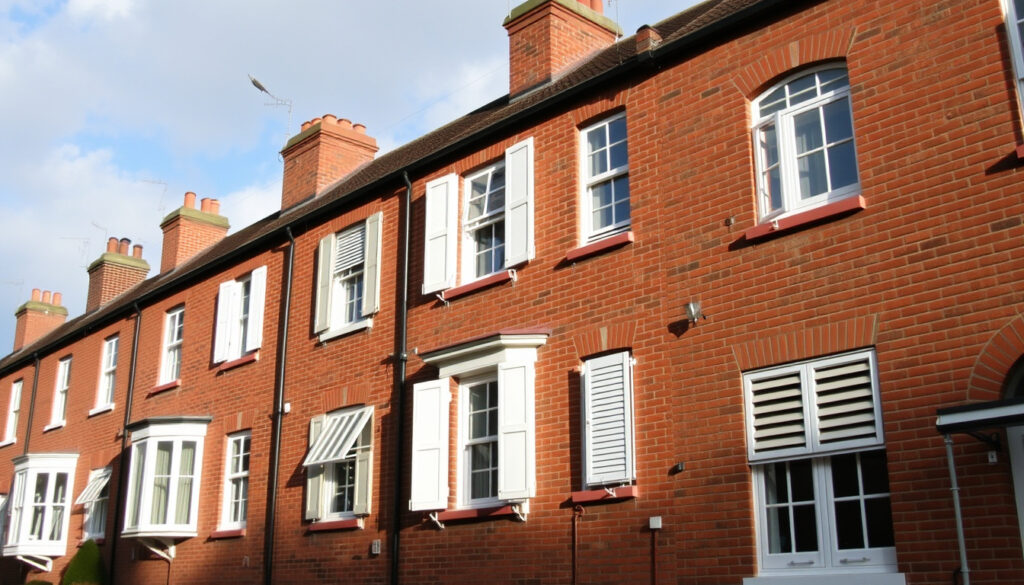
Window Shutters – Complete UK Buyer’s Guide 2025
Window shutters remain a popular choice for UK homeowners seeking privacy, light control, and a clean architectural look. The market offers a wide range of styles, materials, and price points, with made-to-measure and DIY fitting options affecting both cost and convenience.
Deciding on shutters means weighing real wood against faux wood, full-height against cafe-style, and professional installation against self-install. The choice can feel overwhelming, especially for bay windows or exterior applications. This guide covers the key questions UK buyers face, from where to buy to what materials last longest.
The information that follows is drawn from retailer product pages, independent cost guides, and consumer advice published between 2024 and 2025. All prices are indicative and should be confirmed with individual suppliers before purchase.
Where Can I Buy Window Shutters in the UK?
| Type Full-height, cafe-style, tier-on-tier, solid, bay-window and exterior shutters. |
Material Real wood (Paulownia, hardwoods), faux wood/composite, satin-painted finishes. |
Cost position Premium made-to-measure from ~£200–£600 per window; DIY kits at lower price bands; frequent 30–40% offers. |
Fitting Install comes with professional measuring; DIY fitting widely available (e.g., DIY Shutters, B&Q guides). |
- Choice of material dominates the purchase decision: real wood looks premium but requires care; faux wood offers higher moisture resistance for kitchens and bathrooms.
- Bay windows are a primary application differentiator. Only a dedicated bay-window guide answers measurement complexity; competitors list bay-window filters but don’t go deep.
- The UK exterior-shutter market is under-served in organic content; top search results are interior-focused e-commerce pages.
- Speed-to-market matters in the e-commerce SERP – one competitor promotes delivery in just two weeks.
- DIY fitting is both a cost-saver and a decision trigger, not just a static product feature. Shutter brands that support DIY increase perceived value.
| Fact | Details |
|---|---|
| Market leaders in SERP | Blinds Direct, Blinds-Direct.co.uk, Hillarys, DIY Shutters, B&Q |
| Most common styles | Full-height, cafe-style, tier-on-tier |
| Wood types featured | Real wood, hardwood (Paulownia), faux wood |
| Made-to-measure lead time | As fast as two weeks (Blinds Direct promise) |
| Popular price hook | Up to 40% off (Hillarys); ~40% savings via DIY (B&Q guide) |
| Gap identified | No top-5 result for exterior/outdoor shutters UK |
Specialist retailers dominate the online space. Blinds Direct offers full-height, cafe and tier-on-tier styles in real and faux wood. Blinds Direct (premier white range) advertises genuine bespoke real wood shutters delivered in two weeks. Hillarys sells UK-made shutters with a satin finish and runs 40%-off promotions. DIY Shutters uses renewable Paulownia hardwood and promotes easy DIY fitting.
B&Q itself does not offer a dedicated shutter product category in its core search results. Instead, its parent domain diy.com publishes a plantation shutters buying guide that advises DIY fitting can save up to 40%. IKEA is not a prominent result for bespoke shutters; its range focuses on general window treatments such as roller blinds and cellular shades.
Other suppliers include Shutters.co.uk, California Shutters, Shuttercraft, and Shutterly Fabulous. 247 Blinds and Swift Direct Blinds both offer made-to-measure products with a measure-and-fit-yourself model to reduce cost.
What Types of Wooden Window Shutters Are Best?
What Is the Best Wood for Window Shutters?
Real wood shutters, often made from hardwood species such as Paulownia, are generally the most premium interior option. They cost more than MDF or vinyl alternatives but offer a natural grain and warmth that many homeowners prefer. DIY Shutters highlights Paulownia as a renewable hardwood suitable for easy DIY fitting.
Real Wood vs Faux Wood Shutters – Which Is Better?
The choice often comes down to room use and budget. Faux wood, also called composite or waterproof shutters, is frequently chosen for kitchens and bathrooms because of its superior moisture resistance. It usually sits below hardwood in price. One cost calculator gives MDF at £180–£220 DIY per m², vinyl at £190–£240 DIY, composite at £200–£260 DIY, hardwood at £280–£350 DIY, and premium hardwood at £350–£450 DIY (fitted prices are higher). Another guide from Shutters.co.uk places real wood starting from £204 per m² and faux wood from £249 per m².
Check the specific warranty and maintenance requirements. Real wood shutters may need occasional recoating, especially if exposed to direct sunlight or humidity. Faux wood shutters are generally more stable in temperature-variable rooms.
What Are Full-Height Hardwood Shutters?
Full-height shutters cover the entire window in one continuous panel or a vertical pair. They offer full-window privacy and a clean line. Hardwood versions, such as those from DIY Shutters, are made from solid Paulownia and are designed for DIY installation. They are one of the most common styles offered by UK shutter retailers.
How Do I Choose Window Shutters for a Bay Window?
What Shutter Styles Work Best for Bay Windows?
Bay windows are among the biggest cost drivers because they require more material and precise fitting. Tier-on-tier shutters, which divide the window into separate upper and lower panels, are often recommended because they allow independent operation of each section. Cafe-style shutters (covering only the lower portion) can also work, but full-height options are popular for a uniform look. Custom examples for tier-on-tier start from around £454 and rise with size.
Can I Fit Shutters to a Bay Window Myself?
DIY fitting is possible for bay windows, but measurements must be exact. B&Q’s guide offers a DIY box bay example: about 2 m² starting from just over £400. Professionally fitted bay shutters range from £359–£718 for 2–4 m² in one installation guide, while another source gives about £1,396 for 4 m². Complex or hardwood bays can reach £1,000+. Multiple sources agree that accurate measurement of each window panel is critical.
For bay windows, measure each pane individually. If you are unsure, booking a professional survey may be worthwhile even if you plan to fit the shutters yourself later. Some retailers offer a measurement service as part of the quote.
What Are Exterior Window Shutters and Should UK Homeowners Use Them?
Exterior shutters are mounted on the outside of the property and are treated as a different product class from interior plantation shutters. They involve more robust materials for weather resistance. One cost guide puts exterior shutter installation at £160–£360 per m². Other guides quote garage roller shutters separately, with roller systems substantially more expensive than decorative shutters.
For UK homeowners, the decision hinges on practicality. Exterior shutters can provide additional insulation and security, but they may require planning permission. Government guidance advises checking whether planning permission is needed, especially for listed buildings. Historic England provides specific advice for heritage properties where exterior alterations may be restricted.
Exterior shutters in the UK must withstand rain, wind, and UV exposure. Material choices are critical: hardwood with durable finishes or specially treated composites are common. The top search results do not fully detail technical performance against British weather, so buyers should ask suppliers directly about weather resistance ratings.
Are Window Shutters Worth the Cost?
For many homeowners, the answer depends on how much they value durability, light control, and the aesthetic improvement. Industry pricing suggests plantation shutters cost roughly £200–£500 per m². Full-service measure-and-install sits around £300–£500+ per m², while DIY can start from £200–£250 per m². High-end hardwood or bespoke designs can exceed £1,000 per window. Which? provides a buying guide that may help assess long-term value relative to blinds.
Cost savings through DIY fitting are widely promoted. B&Q’s guide claims up to 40% savings, and retailers like 247 Blinds explicitly encourage self-measure and self-fit. However, mistakes in measurement can lead to additional costs. Several sources note that warranty terms are often absent from product pages, so it is important to clarify coverage before ordering.
What Is the Typical Timeline for Buying and Fitting Window Shutters?
- Decision and measurement – Choose style, material, and decide on inside or outside mount. For bay windows, each pane must be measured individually or a professional hired.
- Order placement – Place a made-to-measure order online or through a specialist retailer. Some suppliers offer a home consultation.
- Manufacturing lead time – Typically 2–6 weeks depending on brand and material. Two-week delivery is a competitive differentiator for some brands.
- Delivery and returns – Made-to-measure shutters are delivered to your home. Check the return policy before ordering, as bespoke items may not be returnable.
- Fitting and finishing – Professional installation or DIY. Proper measurements are essential, especially for bay windows.
- Aftercare – Clean with a damp cloth. Real wood may need periodic recoating if exposed to exterior conditions.
What Is Certain and What Remains Unclear About Window Shutters?
| Established information | Information that remains unclear |
|---|---|
| B&Q publishes a plantation shutter buying guide. | Exact live pricing varies on window size, panel count and finish. |
| Blinds Direct offers full-height, cafe and tier-on-tier styles in real and faux wood. | Stock availability of IKEA shutter products – IKEA’s range changes and may not offer bespoke made-to-measure solutions. |
| Blinds Direct advertises real wood premium shutters with two-week delivery. | Exterior shutter technical performance (rain, wind, UV) is not fully detailed by any of the top search results. |
| Hillarys sells UK-made shutters in satin finish and runs 40%-off offers. | Average lead times for B&Q or IKEA vs dedicated shutter specialists are not consistently published. |
| DIY Shutters uses renewable Paulownia hardwood and promotes DIY installation. | Warranty terms are absent from all top organic results. |
| B&Q’s guide claims DIY shutter fitting can save up to 40%. |
How Does the UK Window Shutter Market Work?
The sector is commoditised through made-to-measure promises and discount percentage hooks. Specialist companies such as Blinds Direct and Hillarys brand around service and quality, while DIY players like DIY Shutters compete on price and self-install. B&Q’s guide, despite being retailer content, earns organic coverage as an authoritative explainer.
Differentiation often comes down to delivery speed, material claims, and ease of fitting. A unified comparison across retailers and product types is rare in organic search, which creates an opportunity for a page that answers multiple sub-intents at once – from cost to fitting advice. Covering exterior shutters in the UK gives a gap-SERP positioning that few top results currently address.
What Do Retailers and Experts Say About Window Shutters?
“Our shutters are available in a wide range of styles including full-height, cafe or tier-on-tier. You can also select from real or faux wood…”
Blinds Direct shutter category page, detected on SERP
“Genuine bespoke real wood window shutters delivered in just two weeks.”
Blinds Direct (blinds-direct.co.uk) product page
“Quality plantation shutters are affordable, luxurious, and by choosing to DIY yours, you could save up to 40%.”
B&Q/DIY.co.uk – Plantation shutters guide
“Our UK-made shutters are durable, easy to clean and can be fitted anywhere in your home. Their satin finish looks just like painted wood.”
Hillarys shutters page
What Is the Bottom Line for UK Shutter Buyers?
Window shutters are a significant home improvement purchase with a wide price range depending on material, style, and fitting choice. The UK market is dominated by specialist e-commerce retailers, with B&Q offering a popular guide rather than a product range. Buyers should compare real wood and faux wood based on room conditions, measure carefully (especially for bay windows), and decide whether professional installation or DIY provides better value. For exterior shutters, check planning rules and weather suitability. For more practical buying guides, see Yeti Water Bottle – UK Guide to Sizes, Lids and Durability and Dartboard Distance – Official Guide to Steel Tip & Soft Tip Setup.
Frequently Asked Questions About Window Shutters
What is a cafe-style shutter?
A cafe-style shutter covers only the lower portion of a window, offering privacy and light control while leaving the upper window open for natural light. It is a standard style sold by UK shutter retailers.
What is a tier-on-tier shutter?
A tier-on-tier shutter divides the window into separate upper and lower panels, allowing one tier to open independently of the top. This maximises flexibility for light and privacy.
Does B&Q sell window shutters?
B&Q itself does not heavily own the shutter product SERP; its parent domain diy.com publishes an editorial plantation-shutters guide. Specialist retailers and made-to-measure sites dominate direct sales.
Does IKEA sell window shutters?
IKEA is not a prominent shutter product result in the top organic competition, which is led by dedicated shutter e-commerce brands. IKEA offers alternative window coverings but visibility for bespoke shutters is limited.
How much do made-to-measure window shutters cost?
Prices typically range from £200–£500 per m² for plantation shutters, with full-service installations at £300–£500+ per m² and DIY from £200–£250 per m². Premium hardwood can exceed £1,000 per window.
Can I install window shutters myself?
Yes, many retailers offer DIY kits. B&Q’s guide claims savings of up to 40% with self-install. Accurate measurement is essential, especially for bay windows.
What is the best wood for window shutters?
Hardwoods like Paulownia are popular for their durability and natural appearance. Faux wood alternatives are better for high-moisture areas and are generally less expensive.
Are window shutters energy-efficient?
Shutters can provide an extra layer of insulation. The Energy Saving Trust offers general advice on windows and doors, which may include shutters as part of overall energy efficiency improvements.
More related posts
 Anya Chalotra – Age, Height, Parents, and Career Facts
 Benedict Cumberbatch – Biography, Height, Wife, Net Worth
 Frank Ocean – Biography, Net Worth, Albums & Songs
 Mountain Kilimanjaro
 Jacqueline Fernandez – Age, Movies, Net Worth and Facts in 2025
 DJ Fat Tony – Biography, net worth, health and recovery
 Lena Headey – Biography, Career, Net Worth, and Her Most Famous Roles
 Hou e for Sale Worce ter – Be t Deal & Area Guide
