London Hotel Afternoon Tea: The £35 to £95 Price Divide Explained
London’s hotel afternoon tea now ranges from £35 to £95 per person, leaving travellers to wonder what justifies the gap. This analysis breaks down the economics behind the price spread, from chain-hotel deals to luxury palace offerings, and what you should watch for before booking.
The Spread: How Afternoon Tea Prices vary Across London Hotels
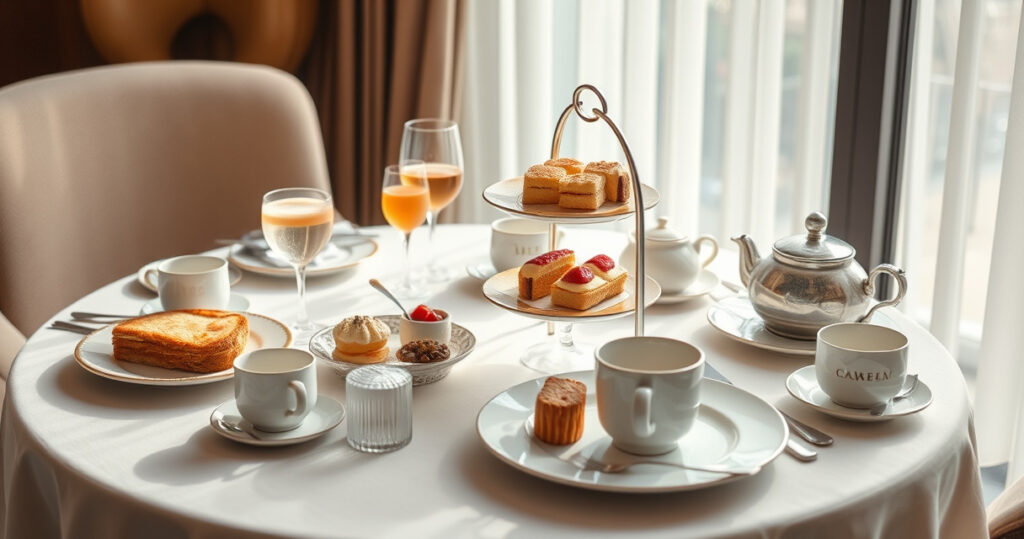
The price of a classic hotel afternoon tea in London has never been more fragmented. At the lower end, chains such as Premier Inn offer a “Festive Afternoon Tea” for £35 per person, while the four-star Royal Lancaster London charges £42 for its standard service. Mid-range options like the five-star The Langham, London start at £68, and the supremely opulent The Ritz London has held firm at around £75 for its traditional tea. At the top end, The Savoy’s Thames Foyer afternoon tea reaches £95, including a glass of Champagne.
This spread reflects not just location but also the ingredients, service ratio, and exclusivity of the experience. According to a 2025 survey by consumer champion Which?, the average London hotel afternoon tea now costs £62, up 18% from five years ago. Yet the gap between the cheapest and most expensive has widened from £40 to £60 over the same period.
- Premier Inn (various) – from £35
- Royal Lancaster London – £42
- The Langham, London – £68
- The Ritz London – £75
- The Savoy – £95
What Drives the Price Gap? Location, Sourcing and Service Ratios
The biggest single factor is real estate. Hotels in Mayfair, St James’s or overlooking the Thames pay premium rents, and those costs are passed to the customer. A hotel in zone 2 or 3 can offer the same finger sandwiches and scones at a much lower base price. But location alone doesn’t explain the full difference.
Ingredient sourcing plays a major role. Luxury hotels increasingly advertise single-estate teas, Cornish clotted cream from Rodda’s, and seasonal fruit preserves made in small batches. The Savoy, for instance, uses a dedicated team of bakers for its afternoon tea pastry selection, while lower-priced venues often rely on wholesale suppliers. Service ratios also matter: high-end teas can involve one staff member per four tables, compared to one per eight or nine in budget operations.
The VisitBritain industry body notes that afternoon tea remains the third most popular “British experience” for inbound tourists, yet the association warns that escalating prices risk alienating domestic customers. Their 2024 report found that 40% of UK tourists now consider afternoon tea a “once‑a‑year treat” rather than a regular outing.
A fuller, source-based explainer on what London hotel afternoon teas cost and why is available in HotelsPedia’s London afternoon-tea guide from HotelsPedia.
The ‘Tea Sommelier’ and Luxury Add‑Ons: Champagne, Caviar and Customisation
A key differentiator in the upper tier is the introduction of the “tea sommelier” – a dedicated staff member who advises on tea pairings and steeping times. At The Langham, a tea sommelier guides guests through a menu of 16 single‑origin teas, while The Ritz employs a tea buyer who sources directly from Darjeeling estates. These roles add significant labour costs, often pushing the base price above £60.
Add‑ons such as a glass of Champagne (typically £12–£18 extra), caviar topping, or a “royal” tier with lobster sandwiches can quickly lift the bill to £95 or more. A 2023 Which? analysis found that 70% of afternoon tea packages now include an optional Champagne upgrade, up from 55% in 2019. Yet consumer groups caution that the core offering – sandwiches, scone, cake and tea – remains largely the same, and the added cost often reflects presentation or venue prestige rather than food quality.
For the traveller, it pays to check what is included in the advertised price. Some hotels list a “Champagne afternoon tea” at £85 but the non‑Champagne version is £65 – the difference is simply the glass of bubbly. Others include service charges automatically (usually 12.5%), which can push a “£75” tea to £84.
Consumer Tips: Is the Premium Worth It?
Consumer watchdog Which? regularly rates afternoon tea experiences and has found that mid‑priced hotels often deliver better value than the top tier. In their 2024 blind taste test, a £48 afternoon tea at a four‑star property near Paddington scored higher for food quality than a £78 offering at a landmark hotel. The main differentiators were freshness of the scones, variety of sandwiches, and the quality of the tea itself – not the chandeliers or the pianist.
Before booking, travellers should look for allergen information, which all UK food businesses are required to provide under GOV.UK food labelling rules. If you have dietary restrictions, confirm well in advance whether the hotel can accommodate them at no extra charge. Also check the cancellation policy: many hotels require 48 hours’ notice for a full refund – failing to cancel could cost you the full amount, even if you don’t show up.
Regarding service charges, citizens’ advice recommends verifying whether the charge is optional. Under UK law, a hotel can add a mandatory service charge, but it must be clearly stated before you book. If the service was poor, you can ask to have it removed.
Regulatory and Industry Context
The afternoon tea market sits within broader hospitality trends. The UKHospitality trade body reports that hotel food and beverage margins have tightened as food inflation hit 25% between 2022 and 2024. Yet afternoon tea margins remain healthy, typically 55–65%, because of high perceived value and low ingredient cost relative to the selling price. This explains why hotels aggressively market afternoon tea as an experience rather than a meal.
Legally, afternoon tea is not a defined category under UK food law, so hotels have wide latitude in what they present. There is no minimum requirement for sandwiches, scones, or cakes. A 2025 Which? investigation found that some lower‑end hotels served pre‑packaged supermarket cakes and industrial scones, yet still charged £40. Consumer groups argue for clearer labelling, but no regulation is currently proposed.
For travellers, the key takeaway is to read the menu description carefully, check recent independent reviews, and compare inclusions across venues. A £35 afternoon tea may be perfectly adequate for a casual outing, while a £95 tea may be justified if you value the setting, service, and sourcing. But the middle ground – £45–£60 – often delivers the best balance of quality and cost.
Sources and further reading
- Which? – Afternoon tea reviews (updated 2025)
- VisitBritain – British experiences and tourism research
- GOV.UK – Food allergen labelling and information
- Citizens Advice – Hotel and B&B problems
- UKHospitality – Industry research and data
More related posts
 Lauren Holly – Age, Net Worth, Husband, and Career
 David Morse – Biography, Height, Wife, and Net Worth
 Cameron Monaghan – Actor Biography and Career Highlights
 Ethan Nwaneri – Complete Biography, Stats, and Family Guide
 Hercule Poirot – Complete Guide to Books, Movies and Facts
 French President – Age, Wife, Instagram & Predecessor
 Killian Scott – Irish Actor’s Career, Roles and Real Name
 Nadine Coyle – Biography, Relationships and 2025 Update
